
Arriving in Rome feels like stepping into a living museum. From the first glimpse of cobblestone streets to the hum of vespas zipping past ancient ruins, the Eternal City greets you with grandeur at every turn.
Where we stayed: Set in a beautifully restored 19th-century palazzo, Sofitel Rome Villa Borghese blends old-world charm with modern elegance. The location couldn’t be better—just steps from Piazza del Popolo, Via Veneto, and Villa Borghese Park, and a quick stroll to the Spanish Steps and Trevi Fountain. After a day of exploration, the rooftop restaurant Settimo offers panoramic views of the city and the perfect aperitivo spot to toast your first night in Rome. Room was small, but they had Diptyque products so that was definitely a win. It was also uphill, so it helped up burn all the carbs we ate when we walked home.
Day 1 – Arrival & the Heart of Rome
After arriving by train, I took a cab straight to the hotel—an easy and scenic drive through Rome’s bustling streets. Once checked in, I freshened up and headed out for a light lunch at Ginger Sapori e Salute, a bright Mediterranean café just 10 minutes away.
The afternoon was a walking immersion in the city’s historic core:
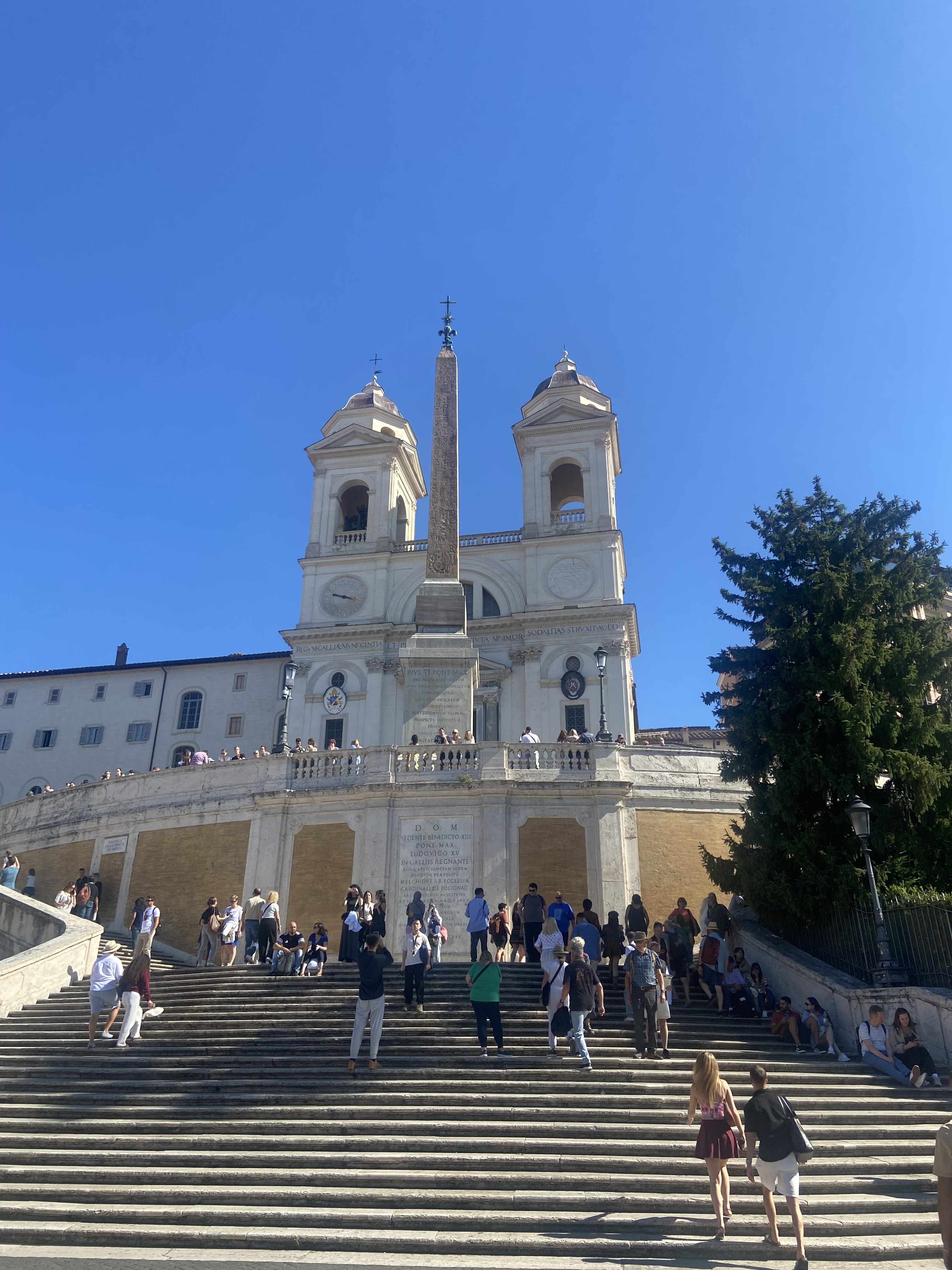
Spanish Steps – a climb worth making, leading to views that spill over terracotta rooftops and winding lanes. Spanish steps are more than just a stairway—they’re a lively meeting point where history, fashion, and romance converge. Climbing the 135 steps, we paused to take in the sweeping view of Piazza di Spagna below, the elegant fountain at the base, and the bustling streets lined with boutiques and cafes.
Sitting on the steps, we watched the world go by: couples stealing a quiet moment, artists capturing the scene, and the soft Italian sunlight warming the stone beneath us. It’s easy to see why the Spanish Steps have inspired poets, painters, and travelers for centuries—a perfect blend of energy, elegance, and a touch of Roman magic
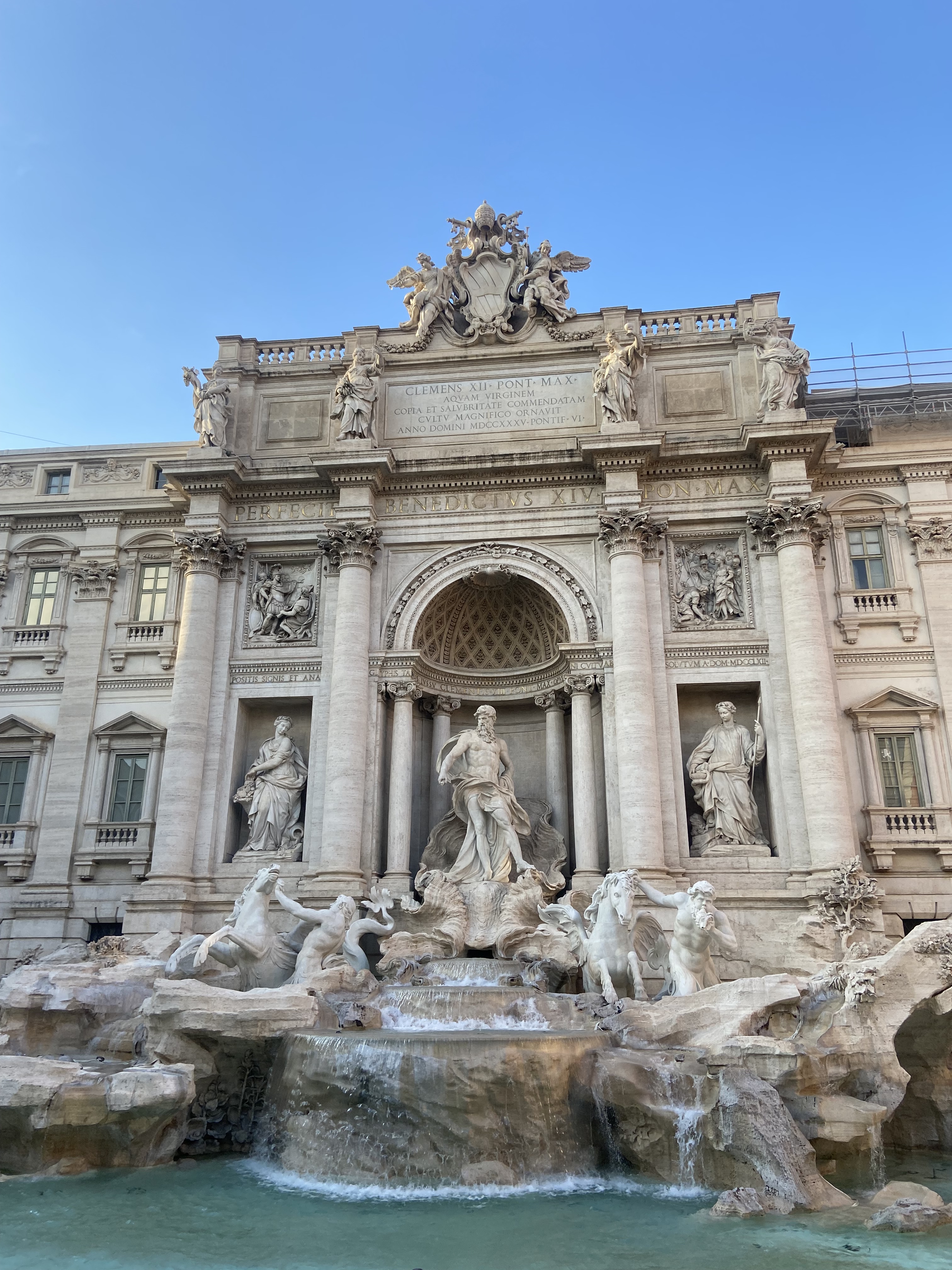
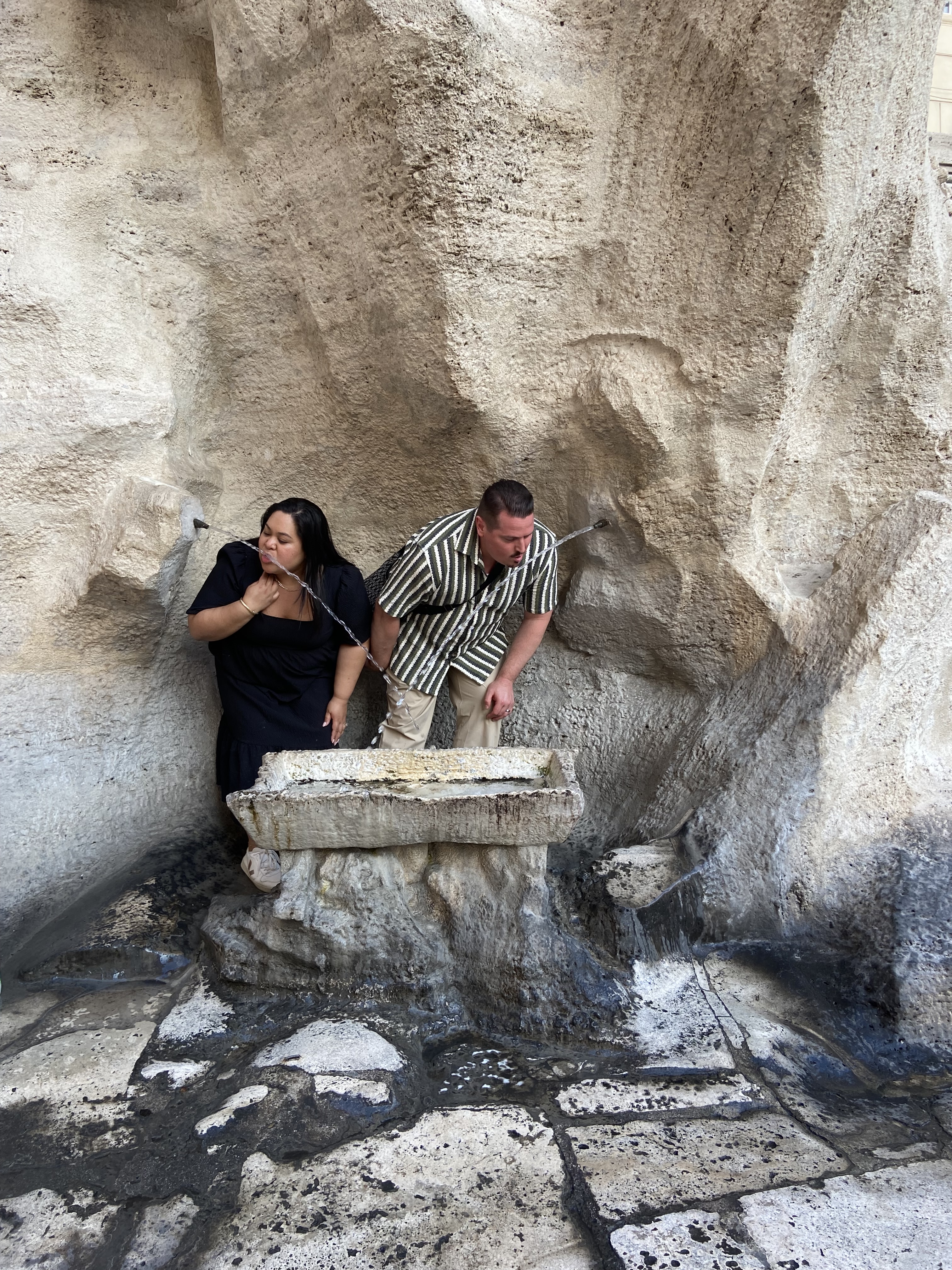
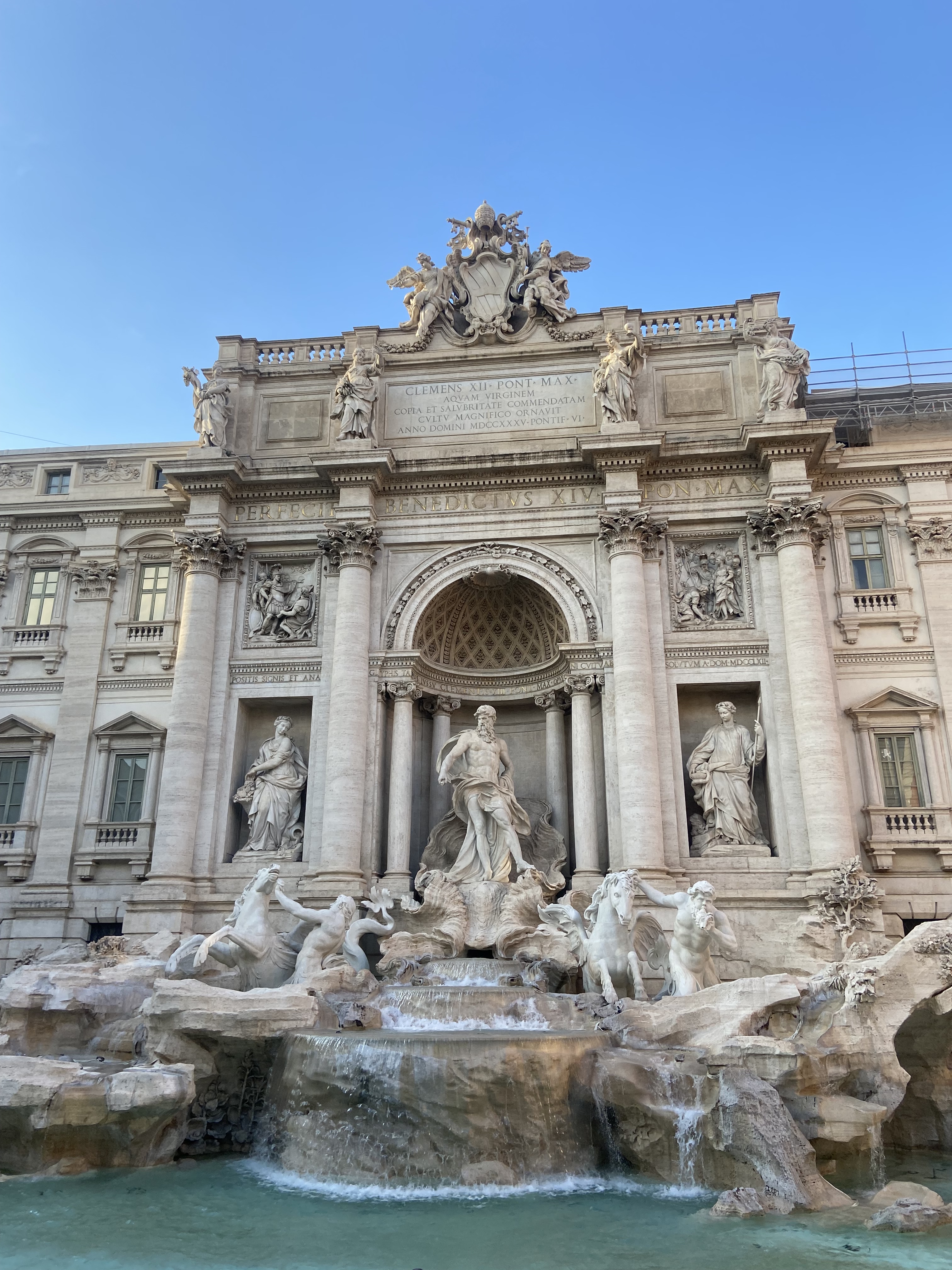
Trevi Fountain – dazzling and crowded, but magical nonetheless. Don’t forget the tradition: toss a coin with your right hand over your left shoulder for good luck—and drink from the small lovers’ fountain on the right. For a less-crowded view, sneak across the street and climb the stairs for a perfect angle. Legend has it that couples who drink from its twin streams are destined to stay in love forever.
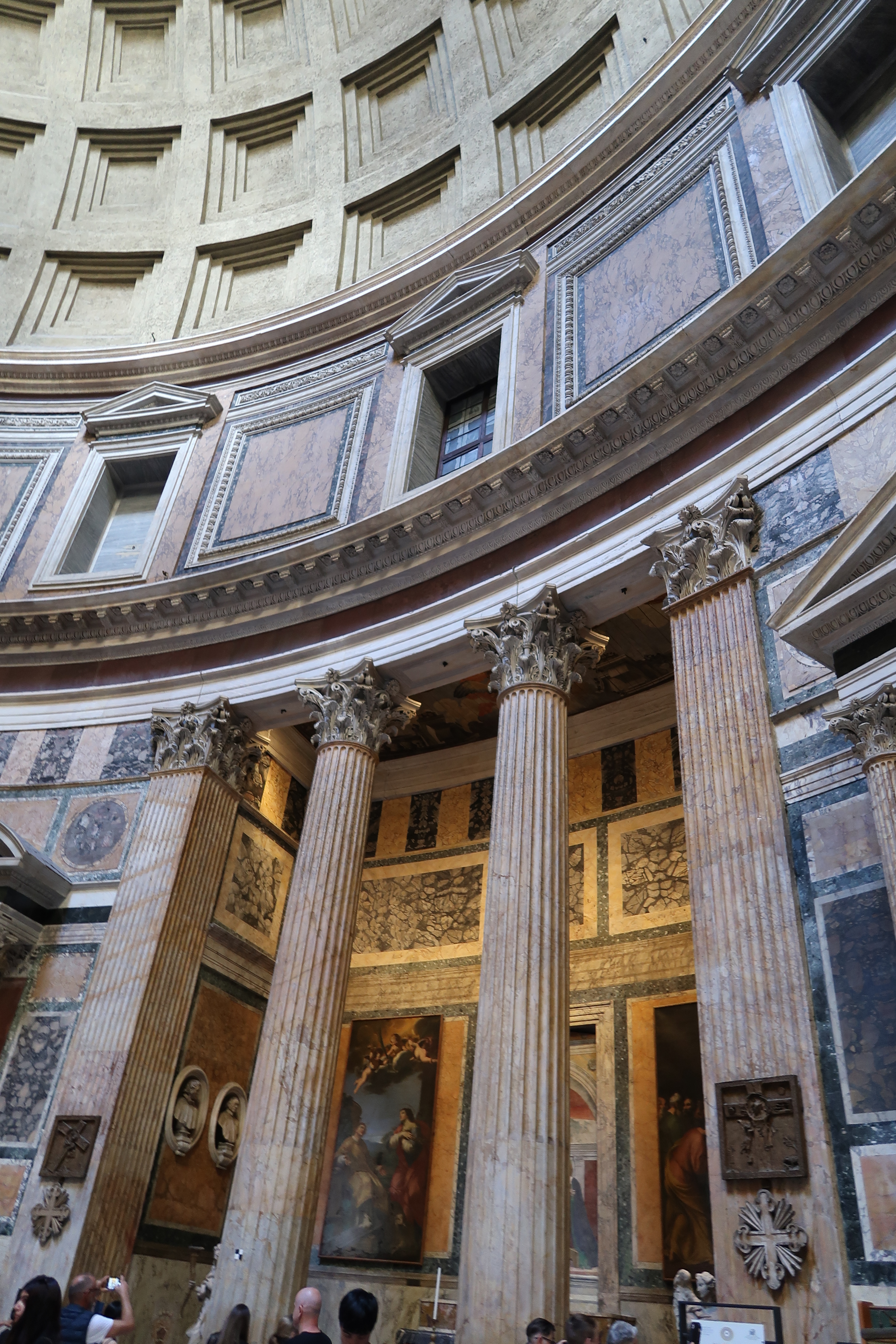
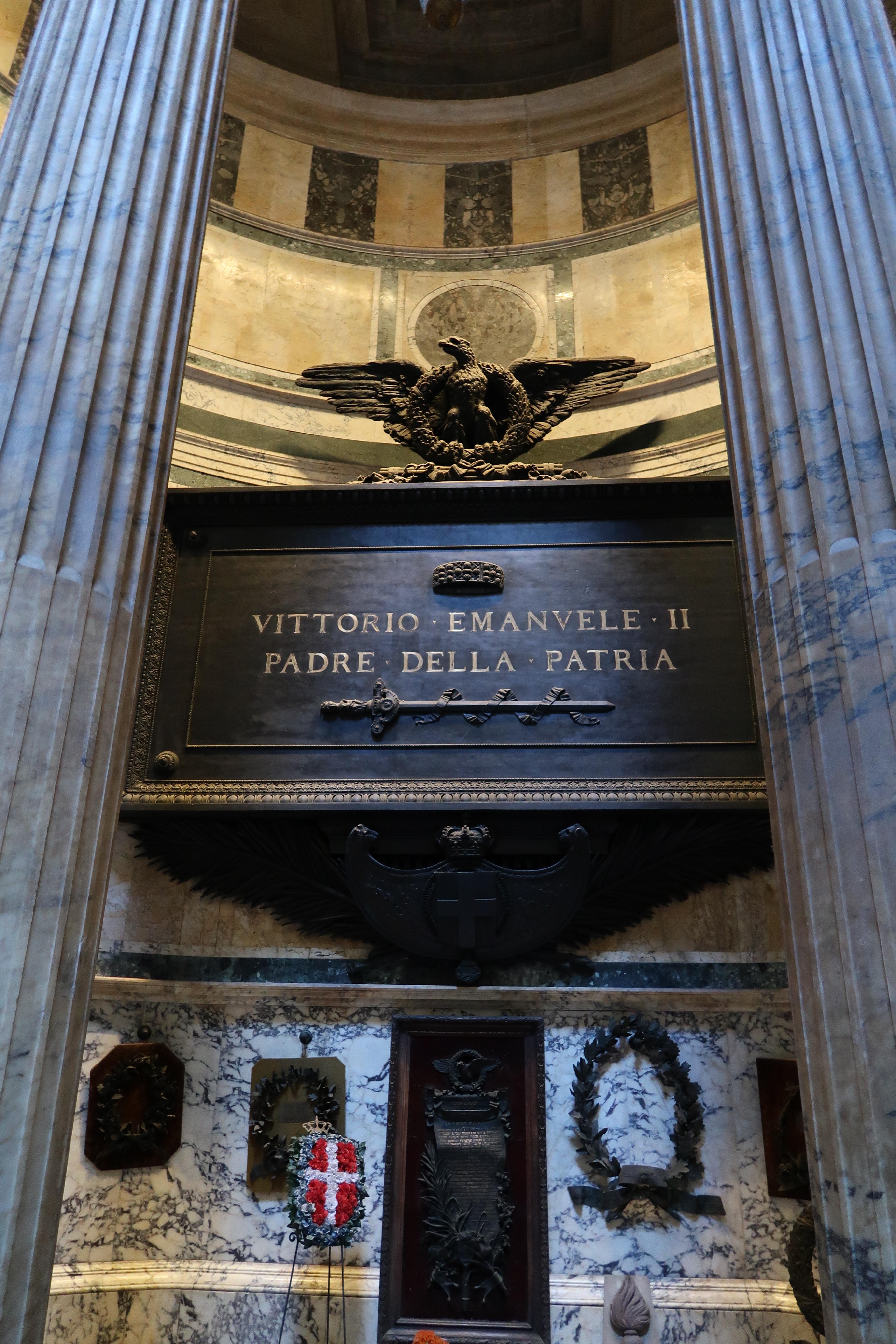
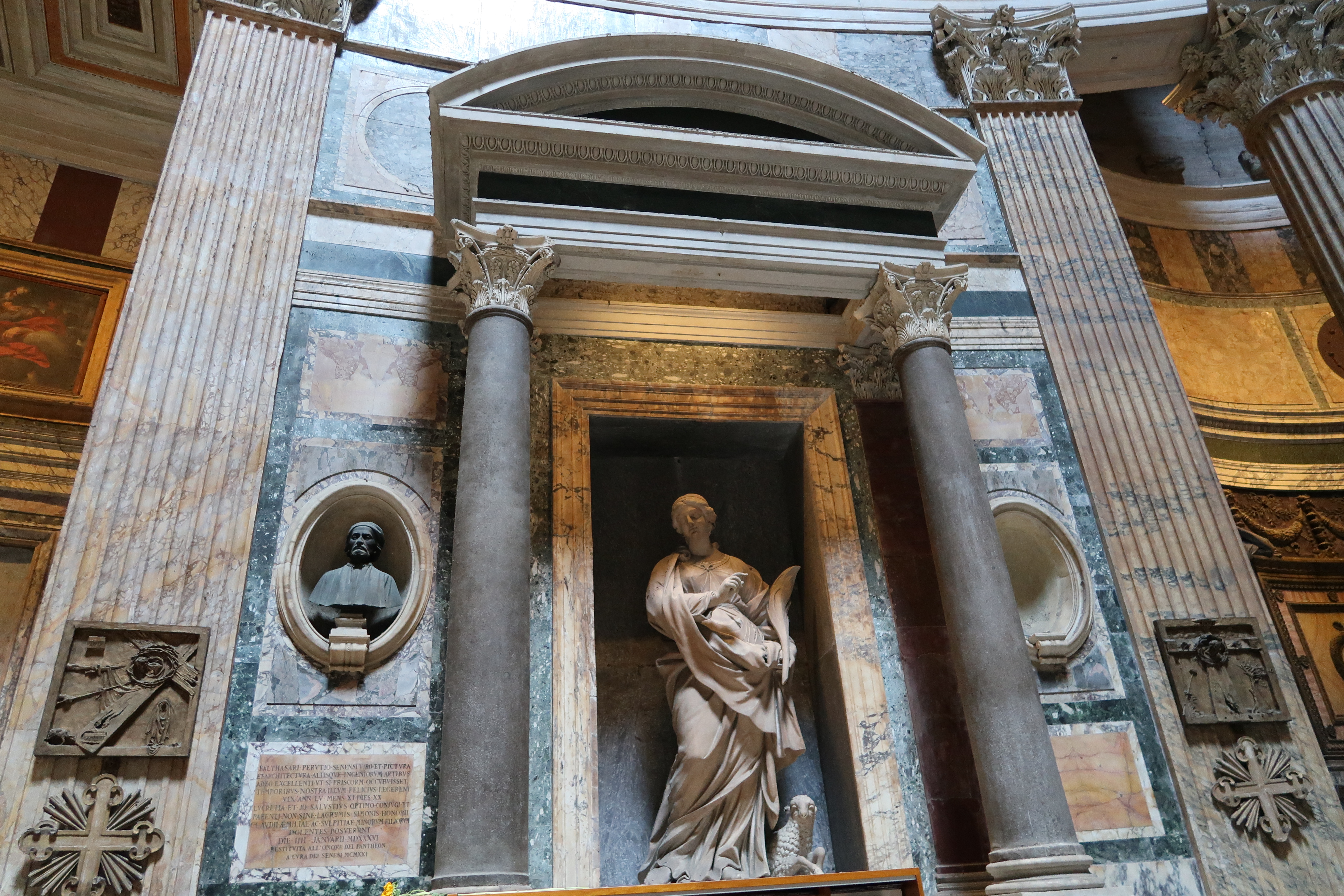
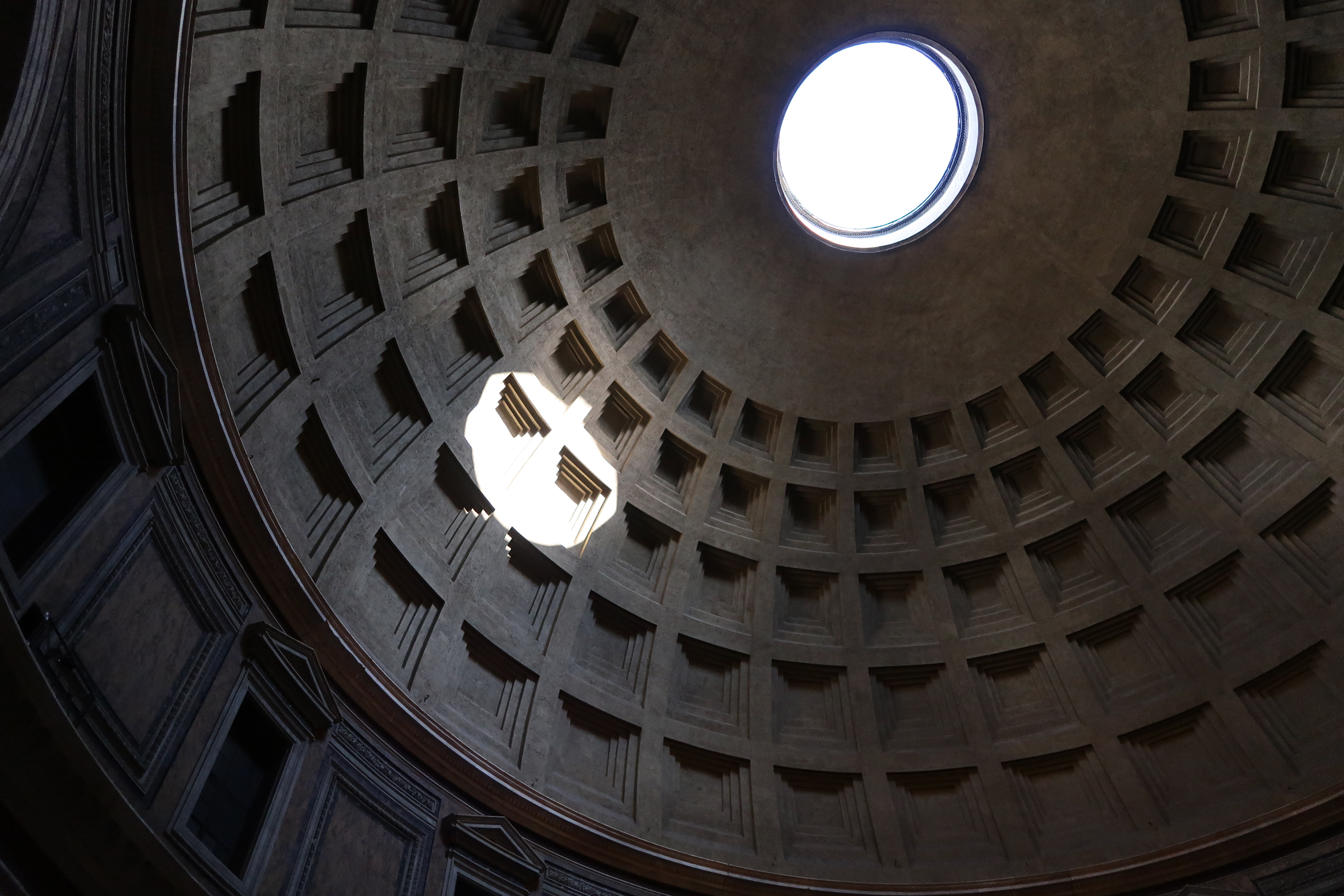
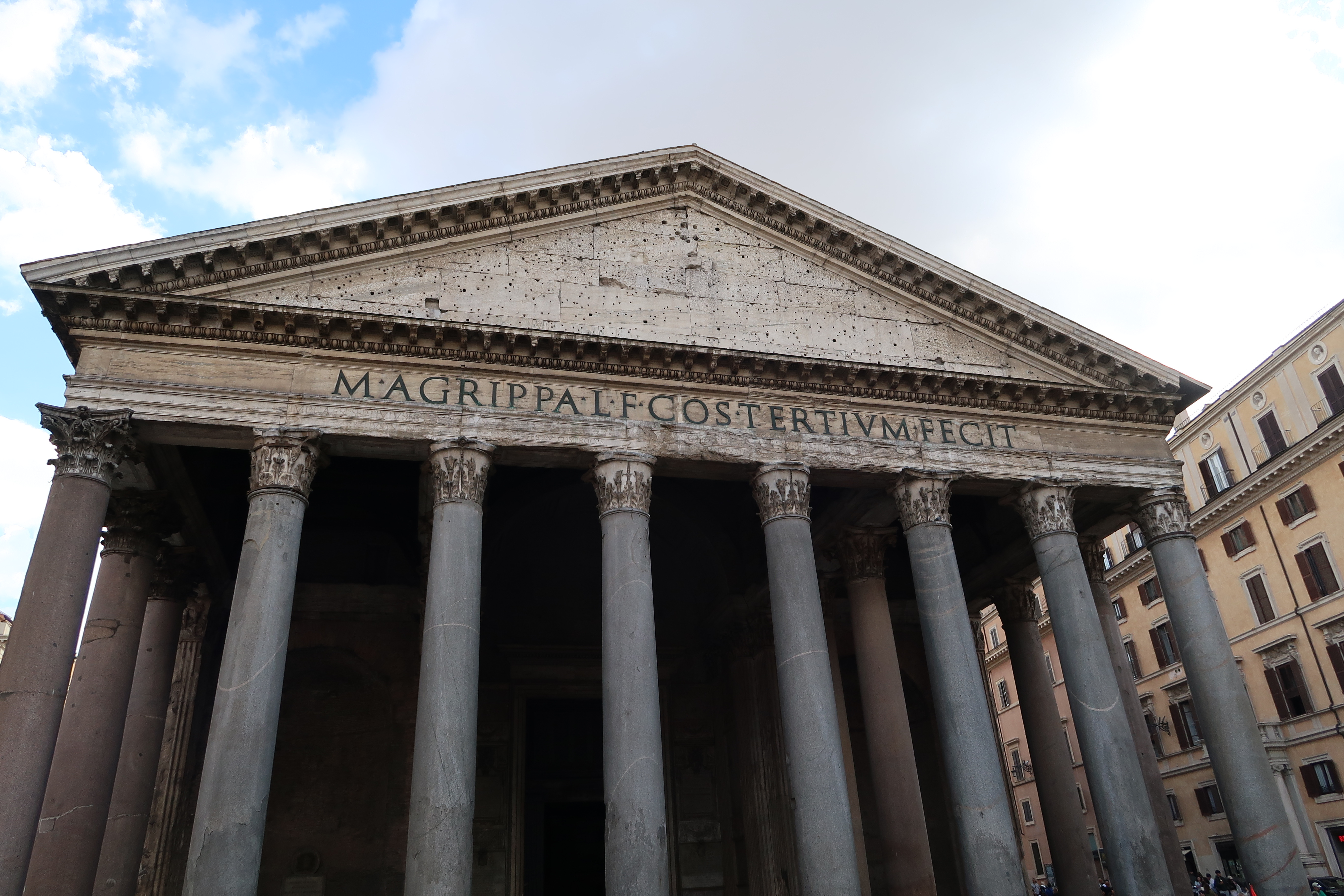
Pantheon – ancient and awe-inspiring. Remember to cover your shoulders and knees here; it’s both monument and sacred space. The Pantheon was originally built around 27 BCE by Marcus Agrippa but was completely rebuilt by Emperor Hadrian around 118–125 CE. Its name comes from the Greek words pan (all) and theos (gods), reflecting its original purpose as a temple dedicated to all Roman gods. The building is famous for its massive dome, which remains the world’s largest unreinforced concrete dome, and the oculus at its center, a circular opening that lets in natural light and symbolizes the connection between the temple and the heavens.
Converted into a Christian church in 609 CE (Santa Maria ad Martyres), the Pantheon has been in continuous use ever since, making it one of the best-preserved monuments of ancient Rome. Its blend of architectural innovation and historical significance continues to inspire architects and travelers from around the world.Piazza Navona – home to Bernini’s Fountain of the Four Rivers and the heartbeat of Roman street life.
Coffee break: Stop at Tazza d’Oro or Sant’Eustachio Il Caffè for what locals swear is the best espresso in the city.
As the sun dipped low, I made my way to Terrazza Borromini for an aperitivo overlooking Piazza Navona—aperol spritz in hand, watching the golden light wash over the rooftops. Dinner back at Settimo sealed the evening with elegance and ease.
Day 2 – Ancient Rome: Gladiators, Ruins, and Imperial Grandeur
After breakfast, we headed toward the Colosseum—walking through streets that felt like open-air history books. For those who prefer convenience, the metro from Spagna to Colosseo is a quick, efficient option.
The Crown Tours meeting point at Via della Polveriera was easy to find, and from there began an unforgettable journey through the Colosseum, Roman Forum, and Palatine Hill.
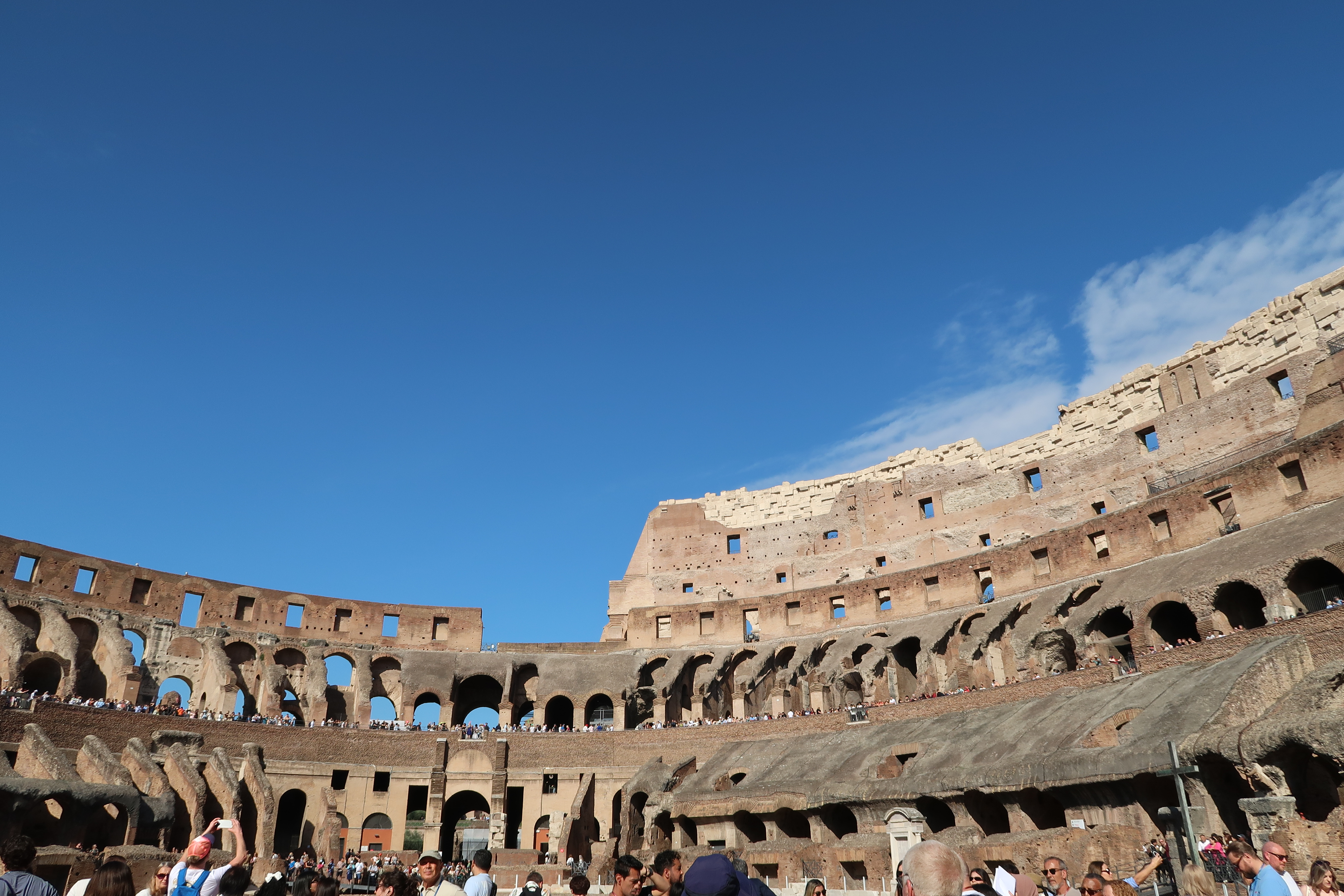
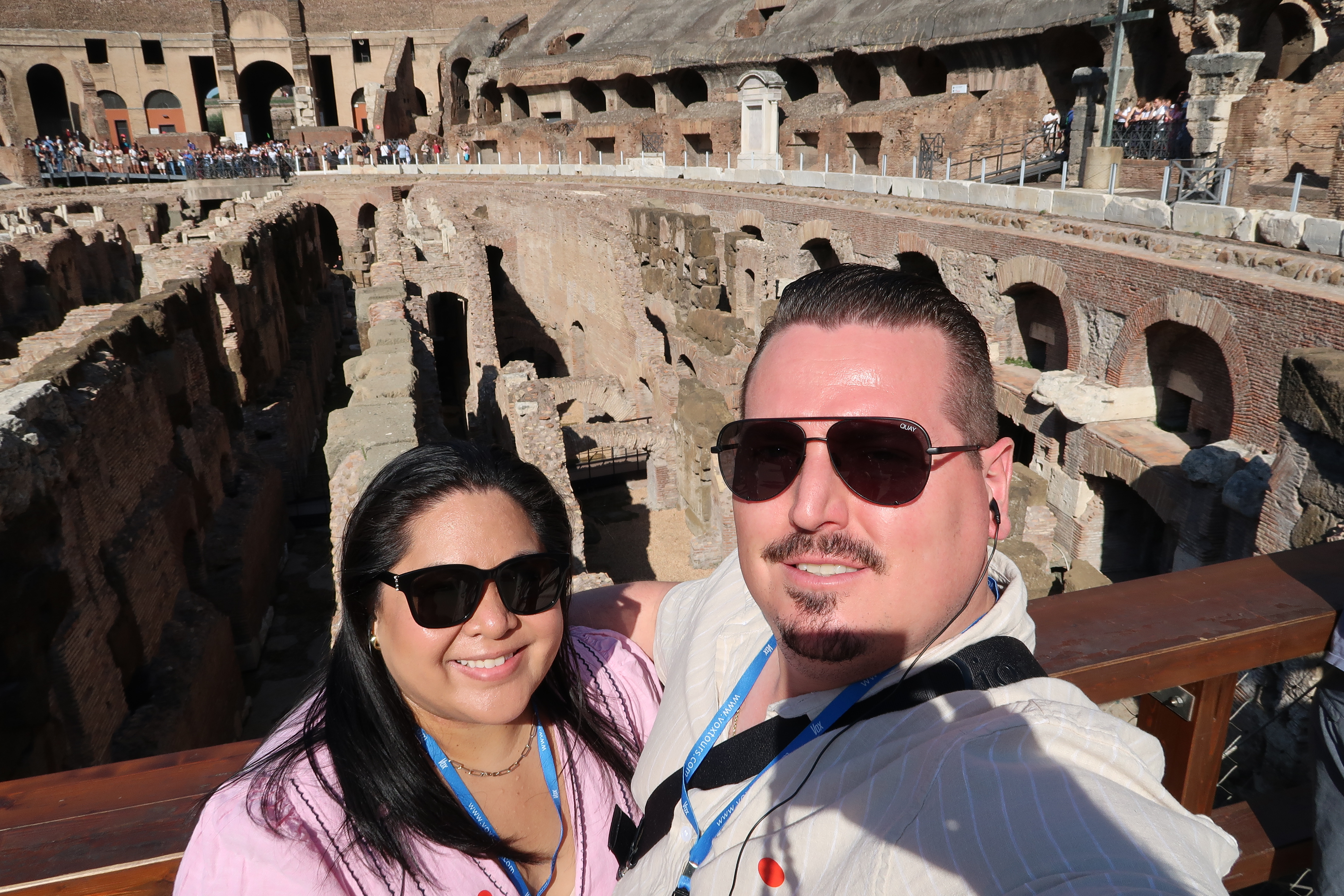
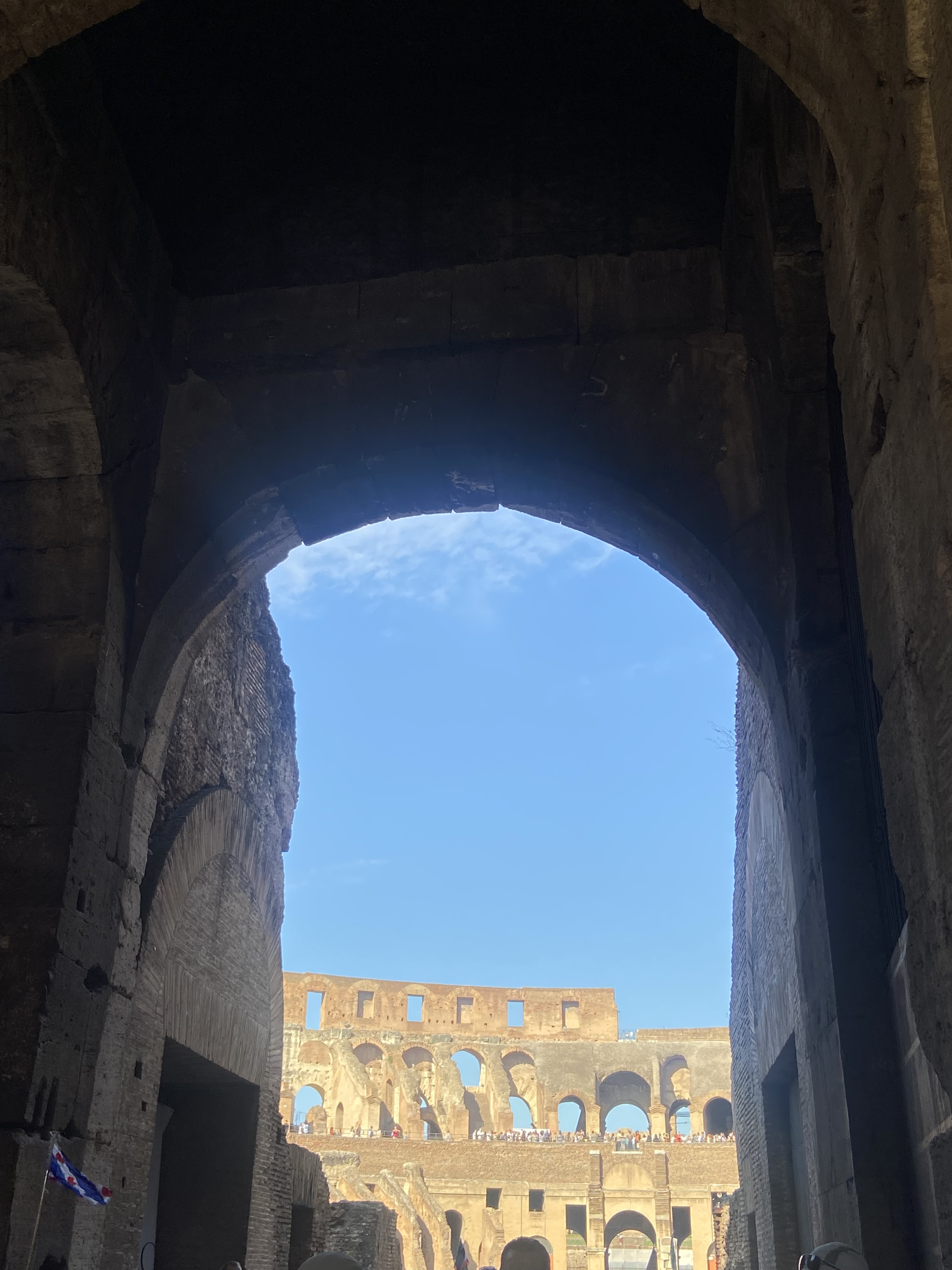
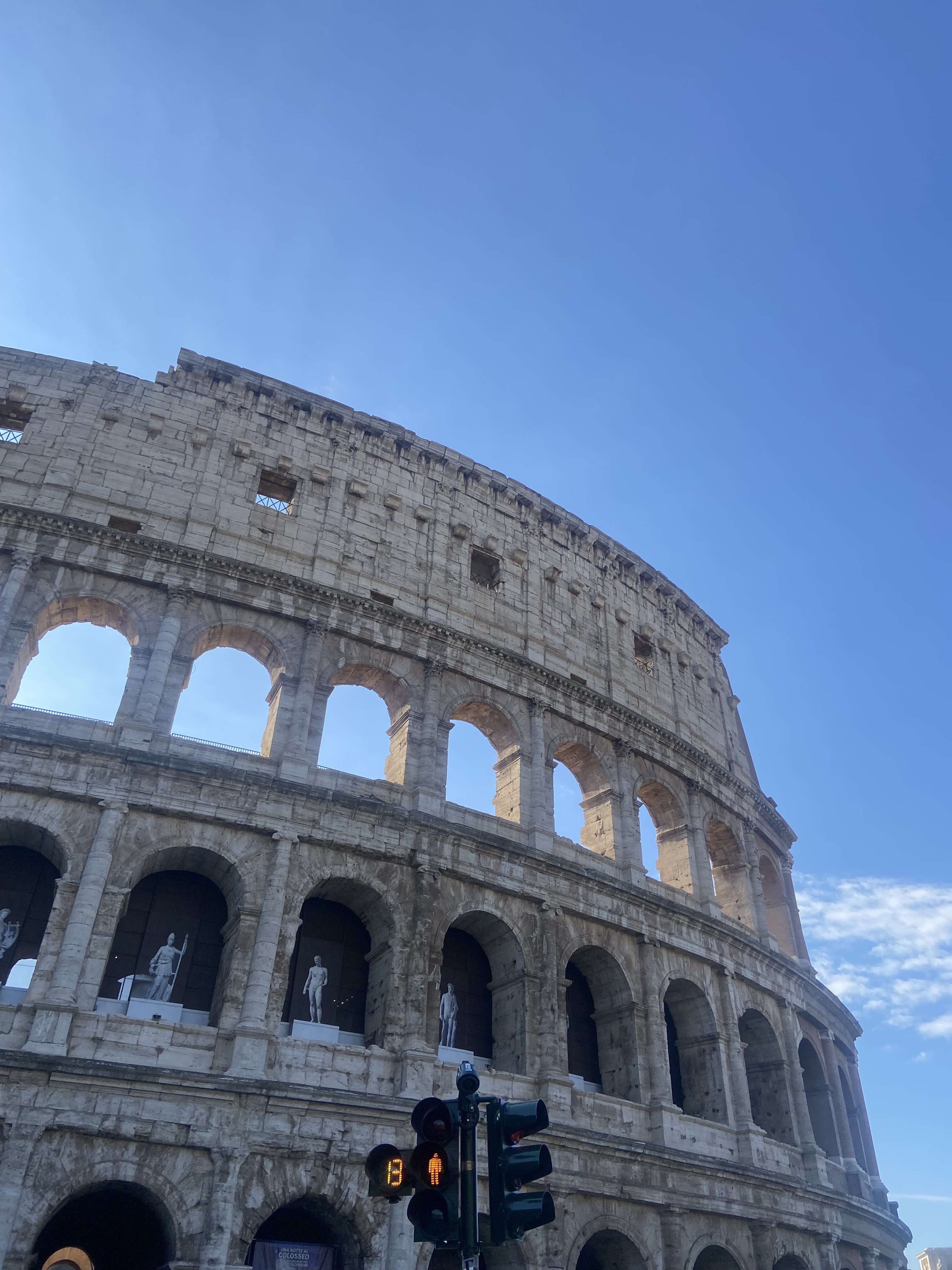
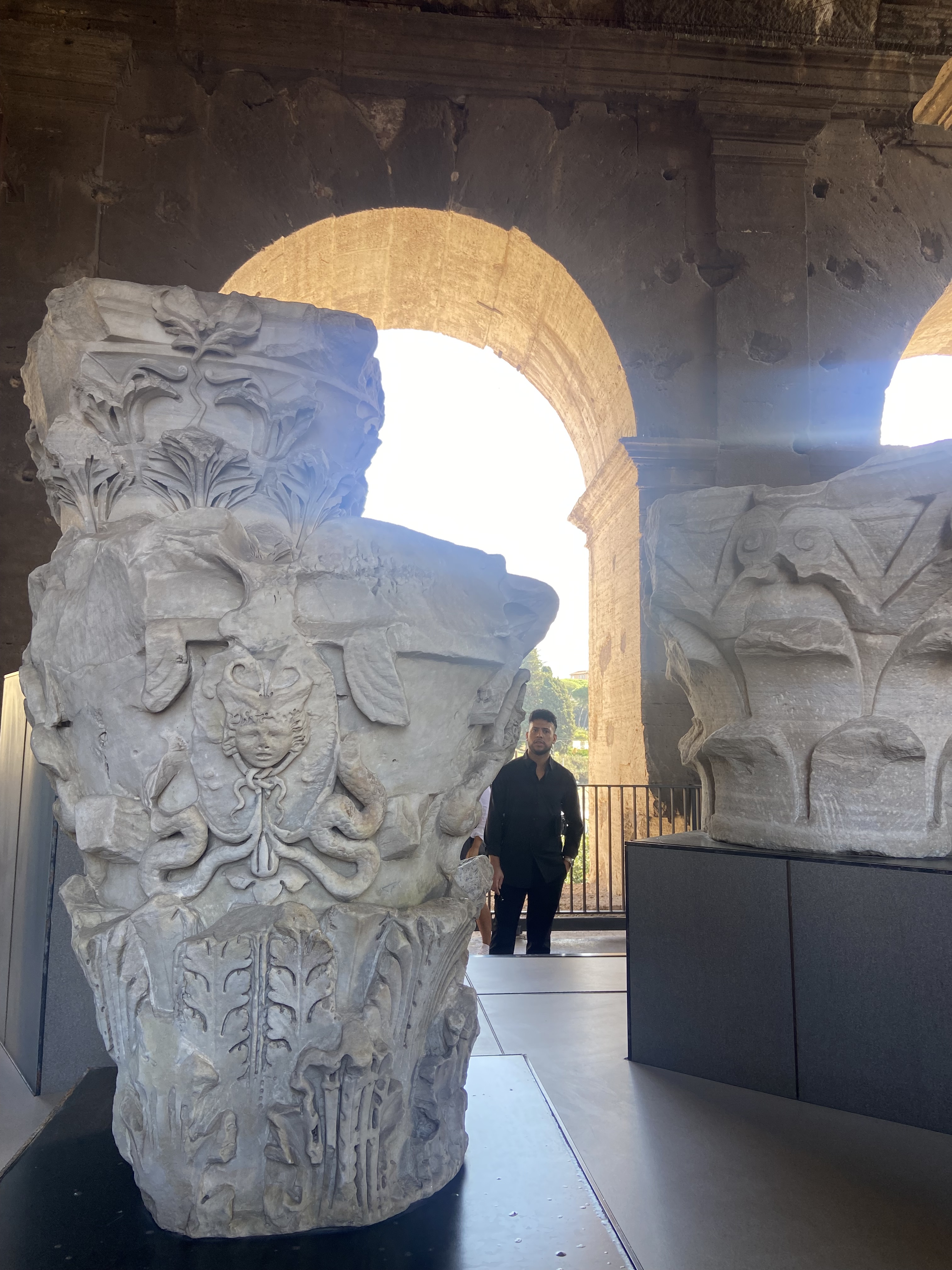
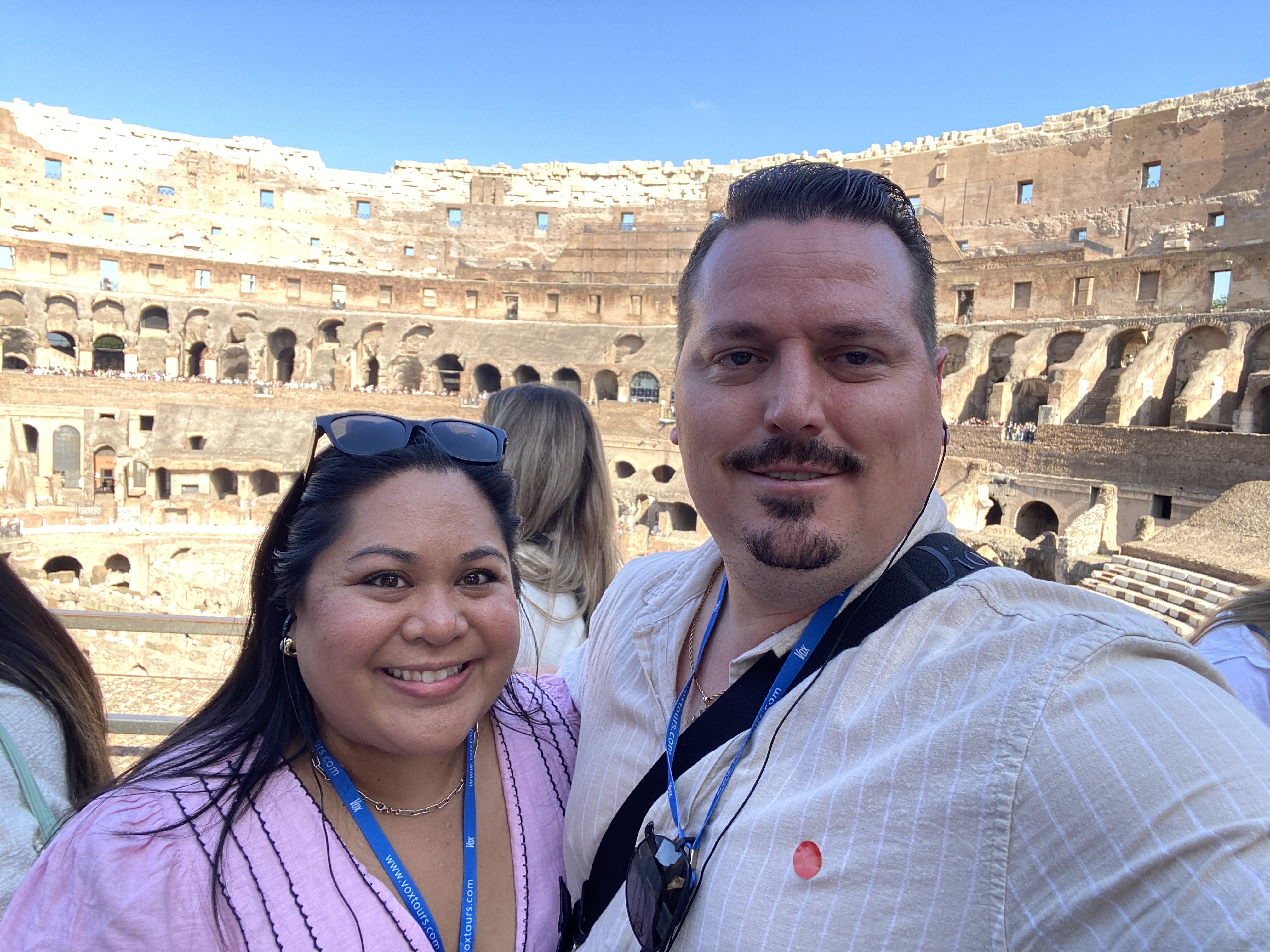
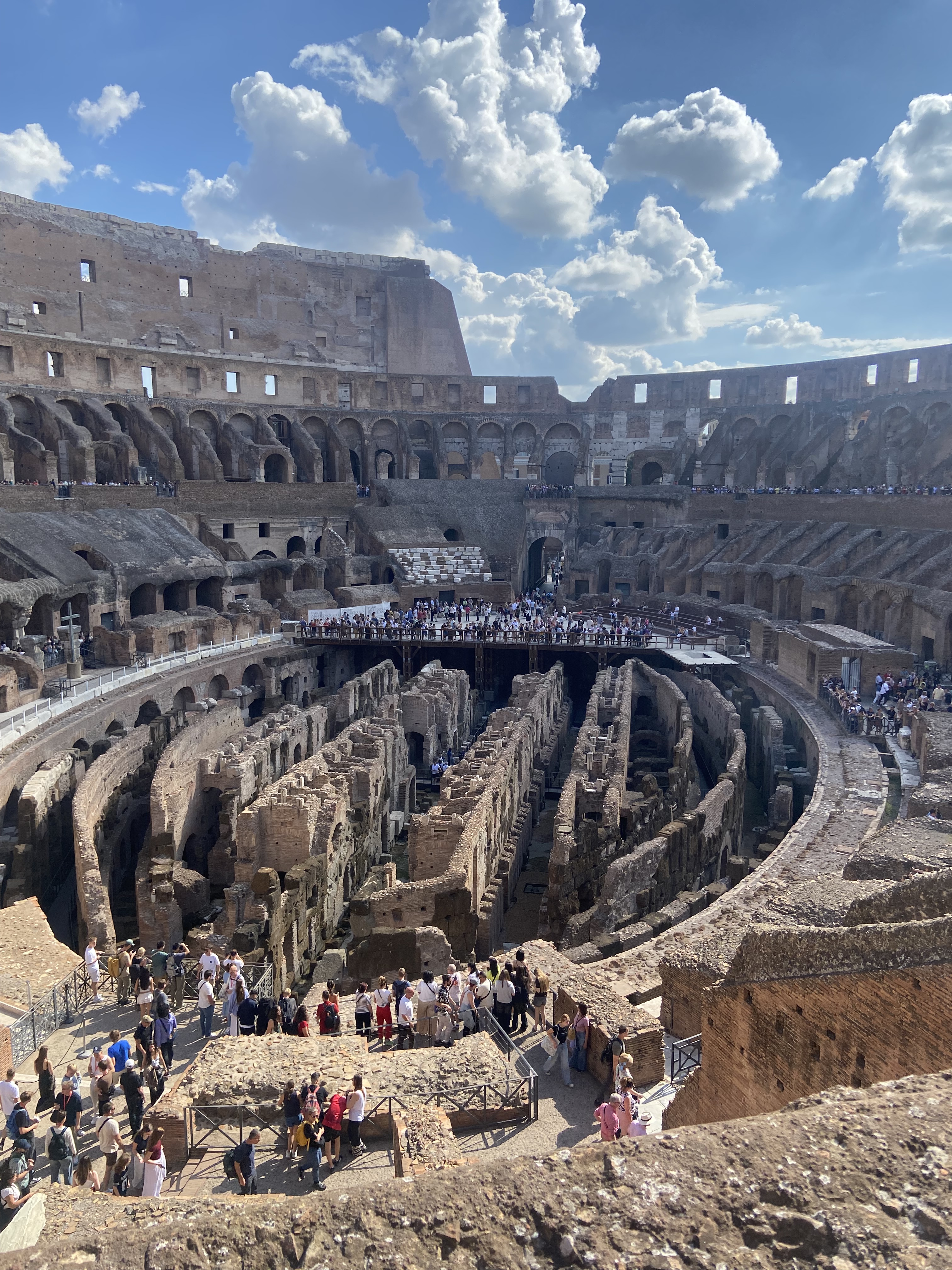
The Colosseum instantly takes your breath away—a massive arena where gladiators once fought, and thousands of spectators cheered. Standing inside, it’s hard not to imagine the energy and spectacle that once filled this iconic amphitheater.

A short walk away, Palatine Hill offers a peaceful contrast. Once the home of emperors and Rome’s elite, the hill provides sweeping views of the city and a sense of how the wealthy lived amidst gardens, palaces, and ruins.
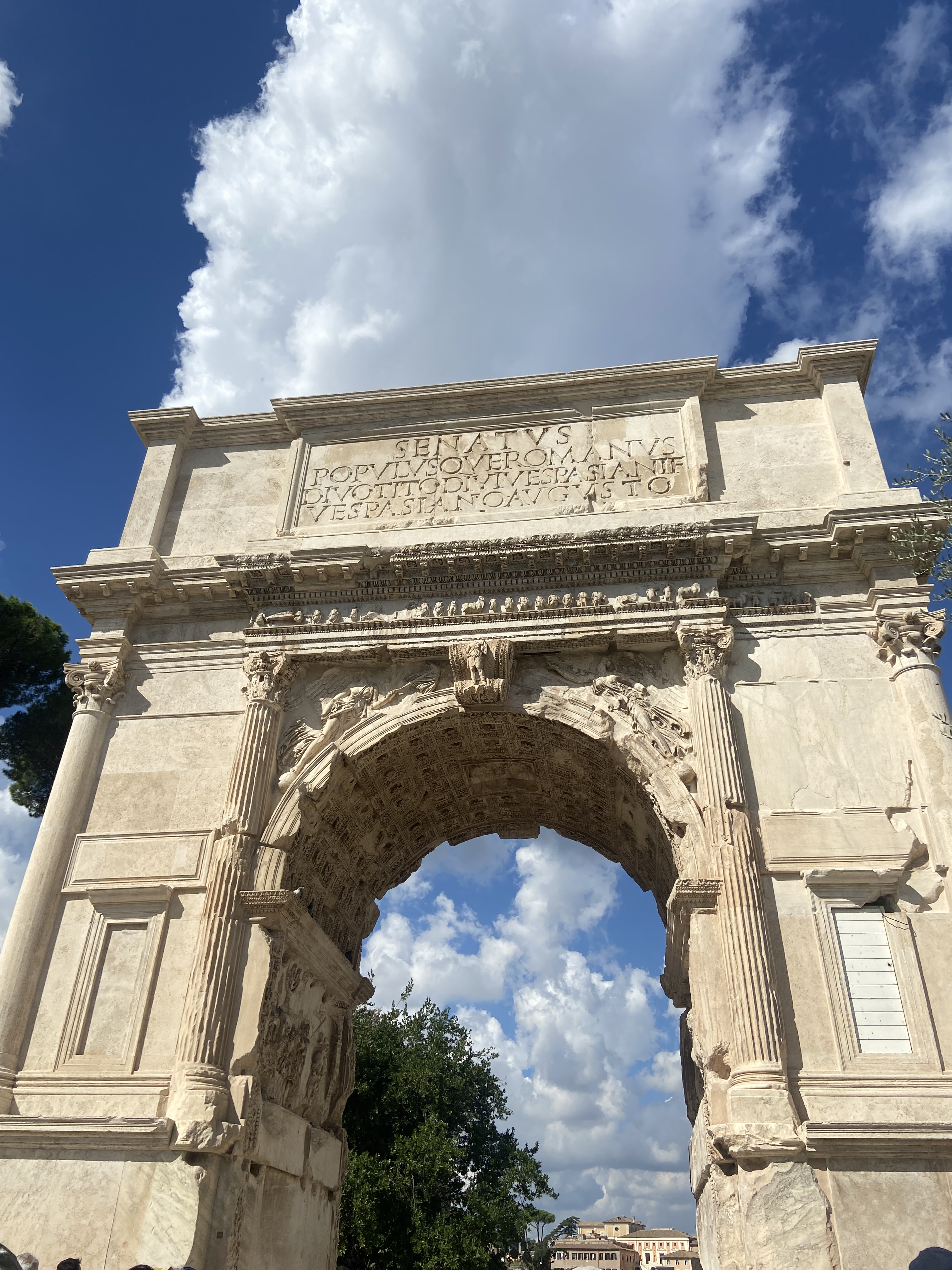
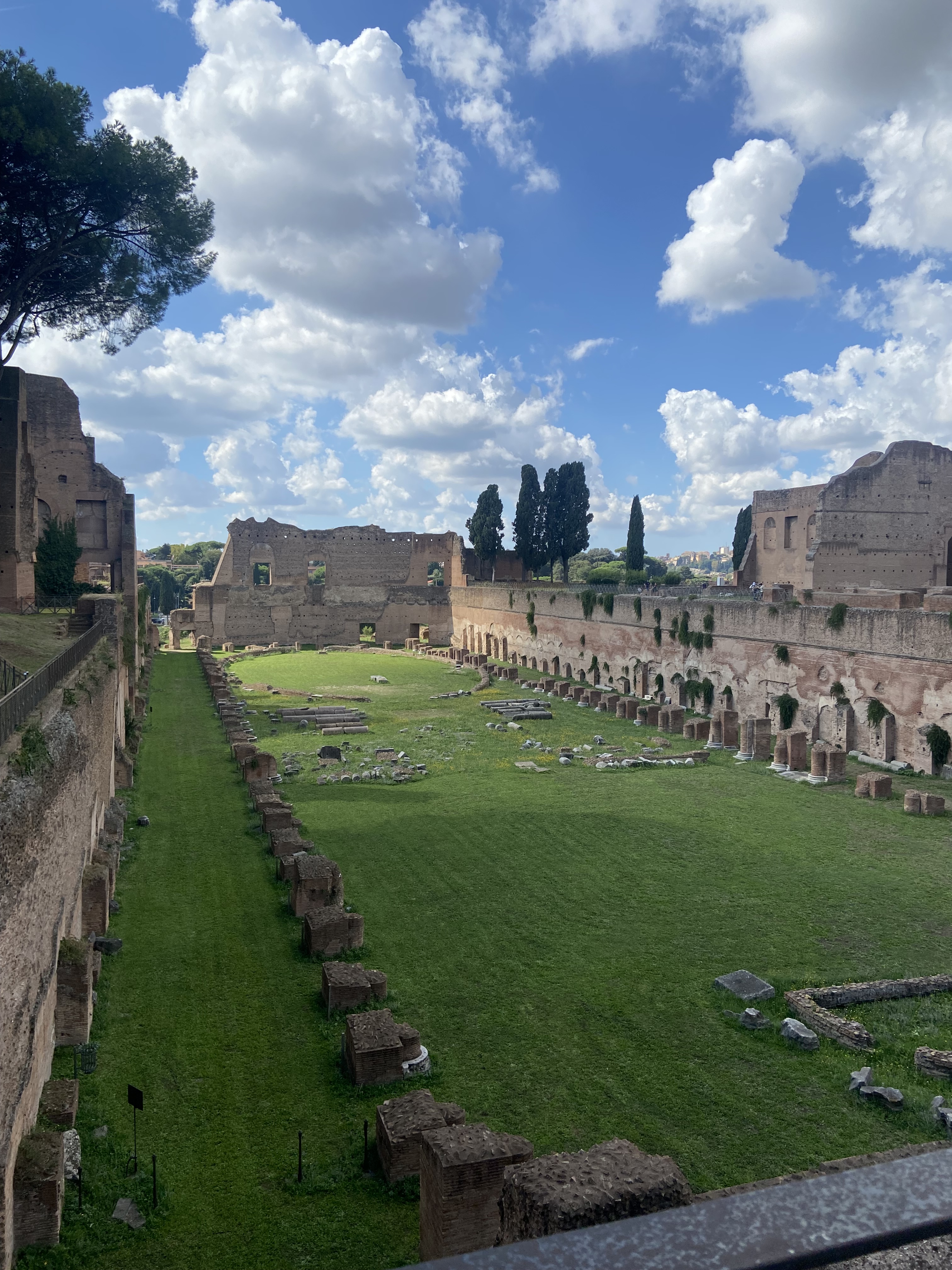
Finally, wandering through the Roman Forum, the heart of ancient Rome, brings history to life. Temples, arches, and marketplaces tell stories of politics, religion, and daily life from over two millennia ago. Together, these sites are more than sightseeing—they’re a journey through Rome’s legendary past, leaving you inspired by the grandeur and resilience of the Eternal City.
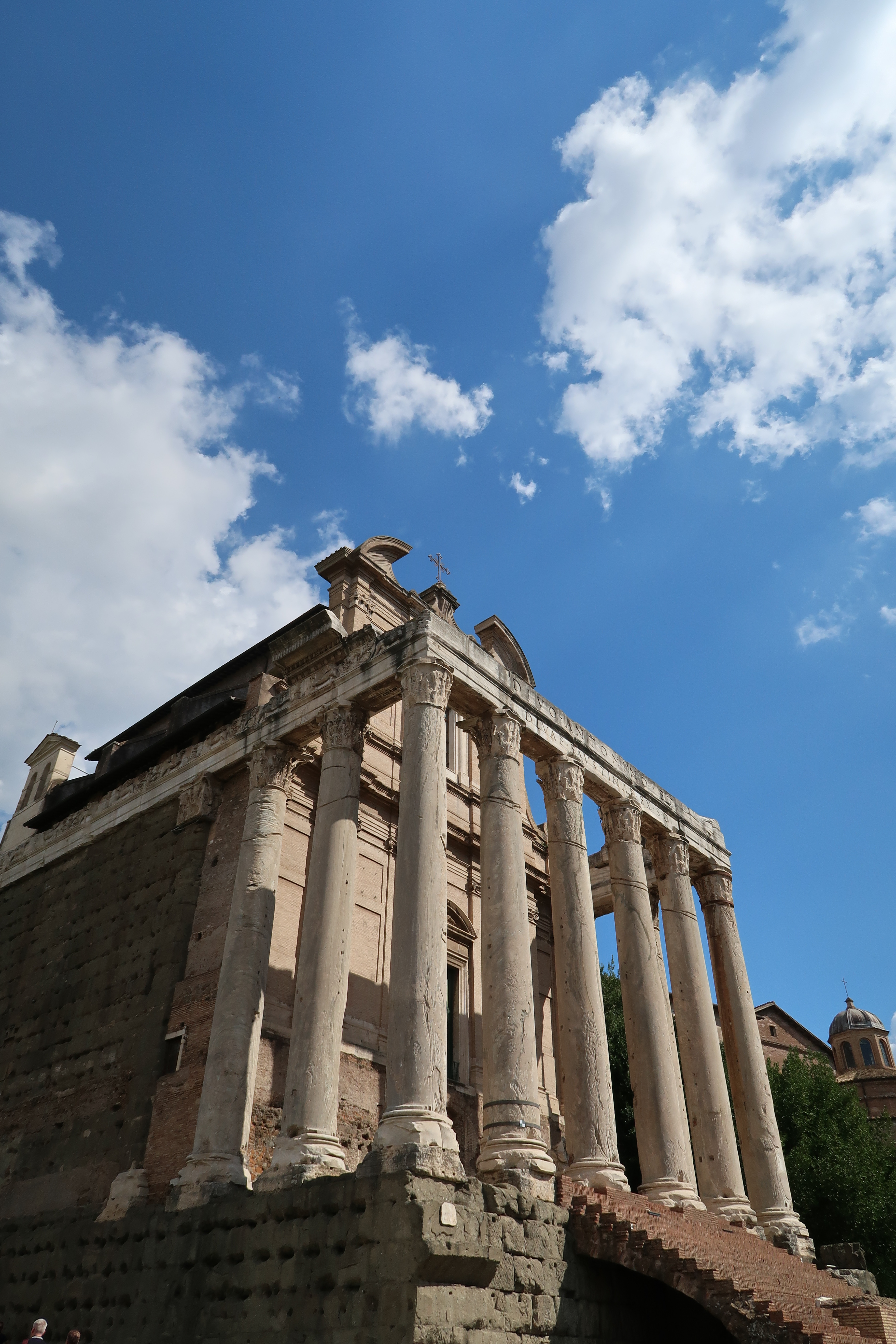
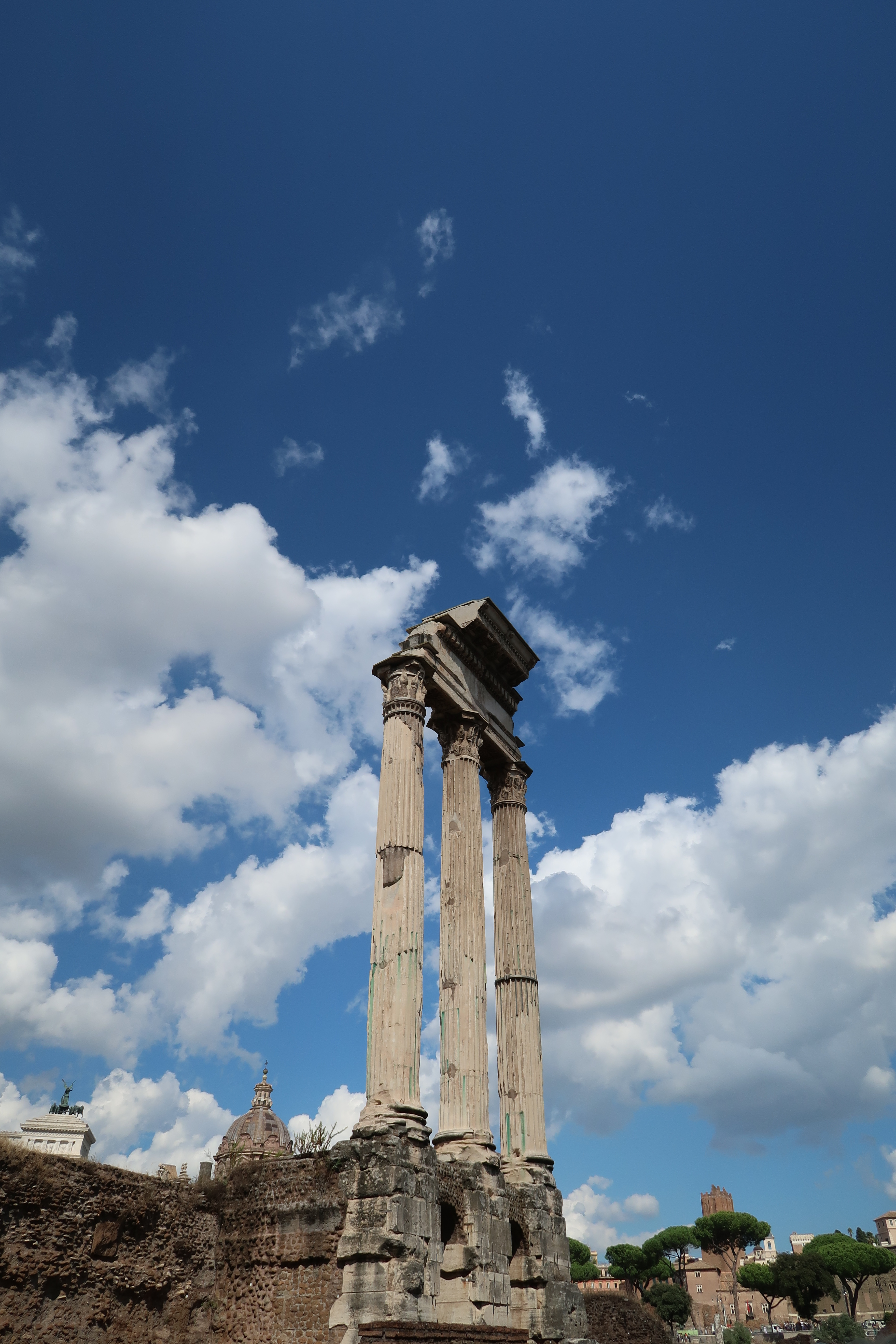
For lunch, we chose Angelino ai Fori, with views of the Forum and perfectly seasoned carbonara.
The afternoon continued up Capitoline Hill, designed by Michelangelo, where you can pause for breathtaking views over the ruins. We lingered at Trajan’s Column and the Victor Emmanuel Monument before wandering into Monti, one of Rome’s most charming neighborhoods.
Don’t miss:
Vintage boutiques and quiet piazzas
Gelato at Fatamorgana or Gelato di San Crispino
Dinner at Pommidoro dal 1890, a Roman institution in San Lorenzo, offered a cozy, authentic end to the day. The walk back through the softly lit Forum was pure magic.
Day 3 – Vatican & Trastevere: Art, Faith, and Local Flavor
Visiting the Vatican Museums and St. Peter’s Basilica during a Jubilee year was nothing short of extraordinary. From the moment we stepped into the museums, the sheer scale of art and history was breathtaking. Corridors lined with Renaissance masterpieces led us to the Sistine Chapel, where Michelangelo’s ceiling seemed even more awe-inspiring knowing generations have stood in reverent silence beneath it.
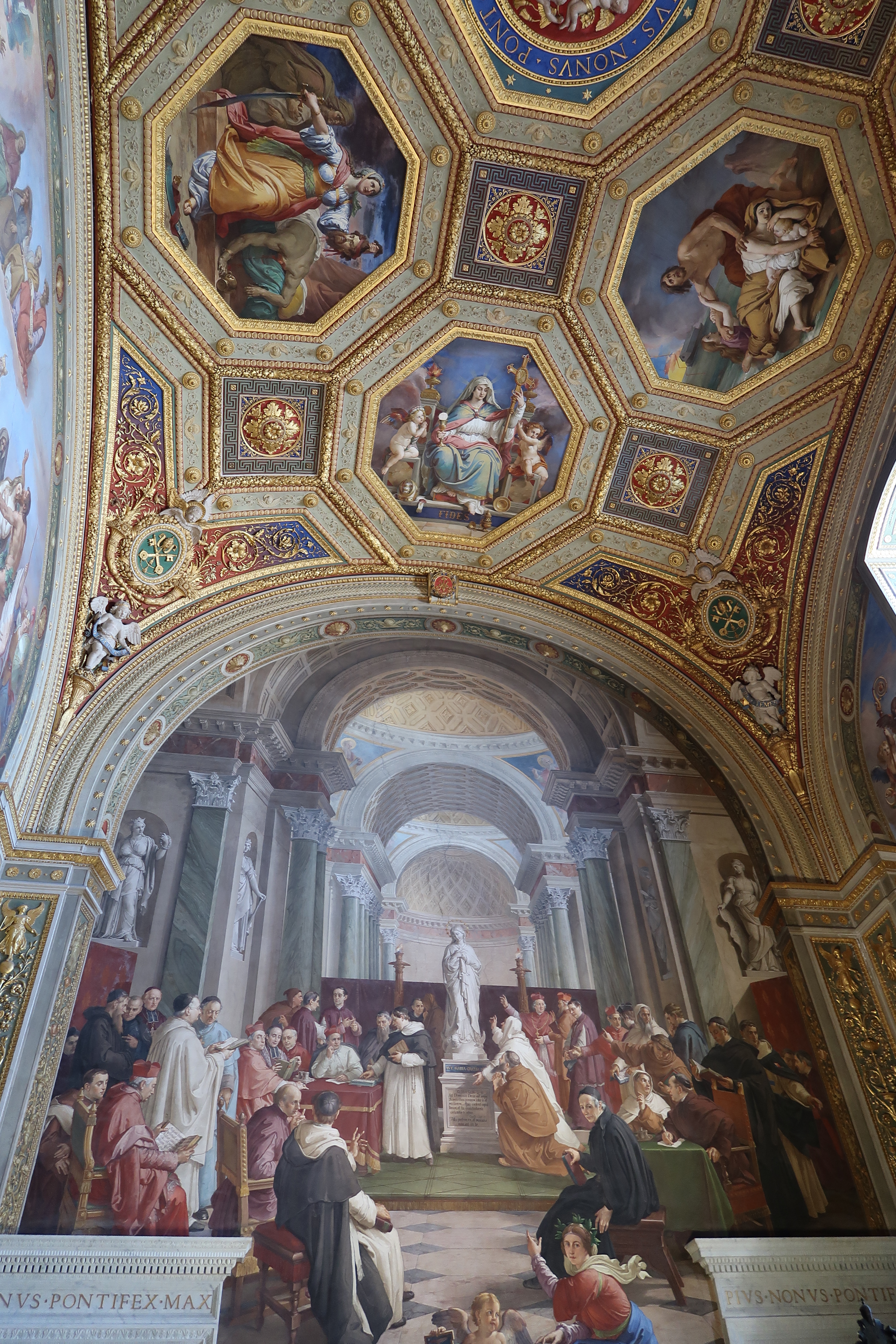
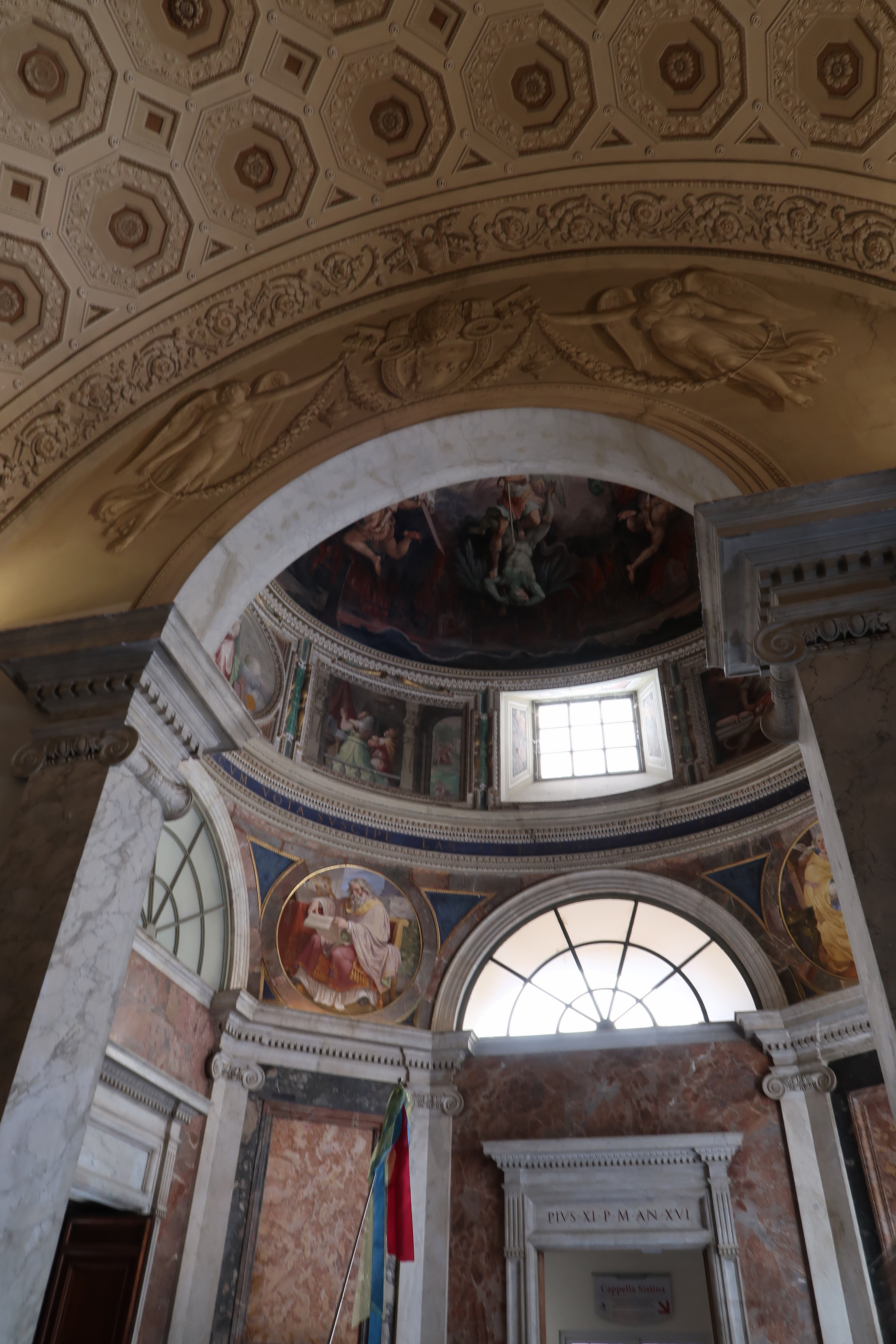
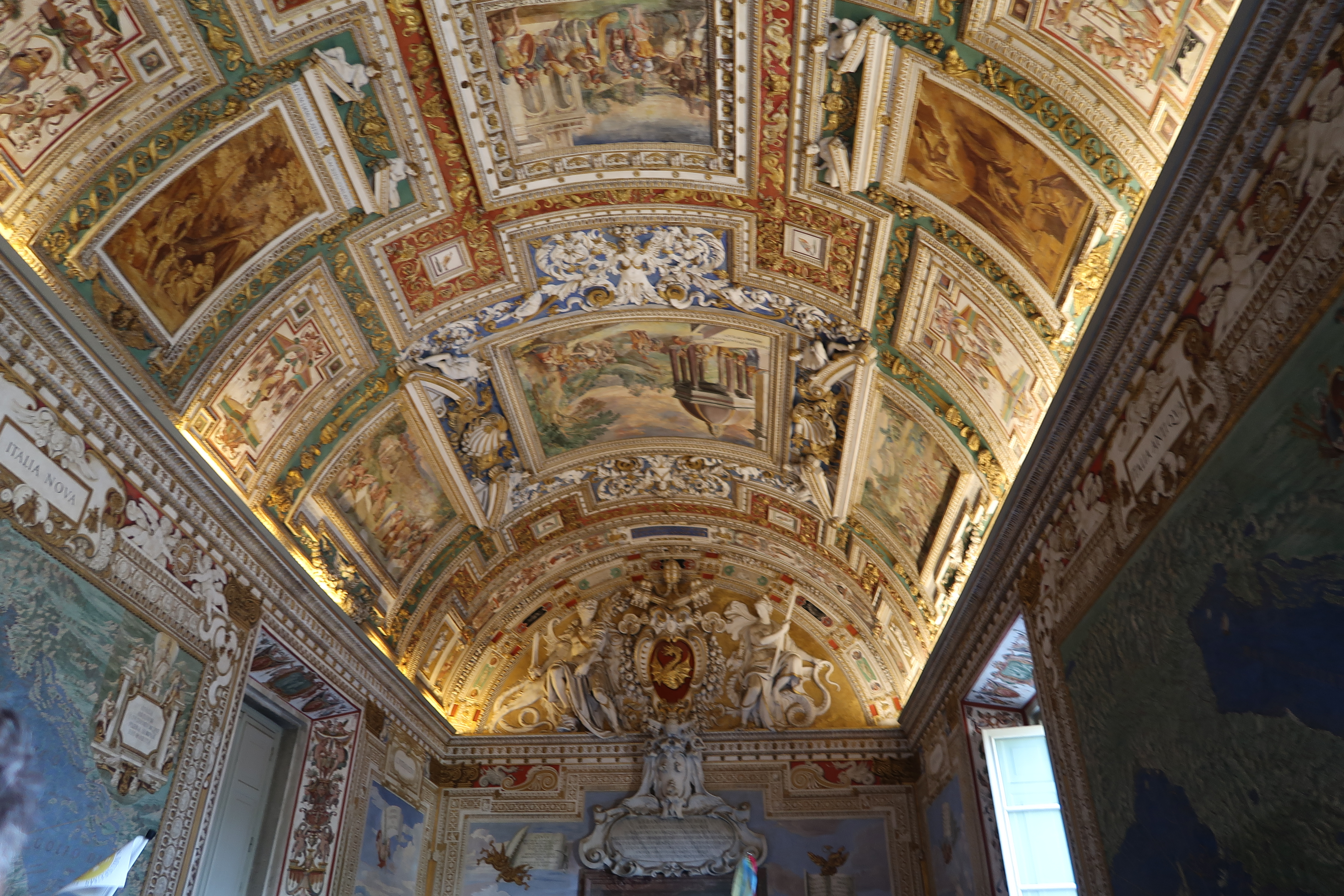
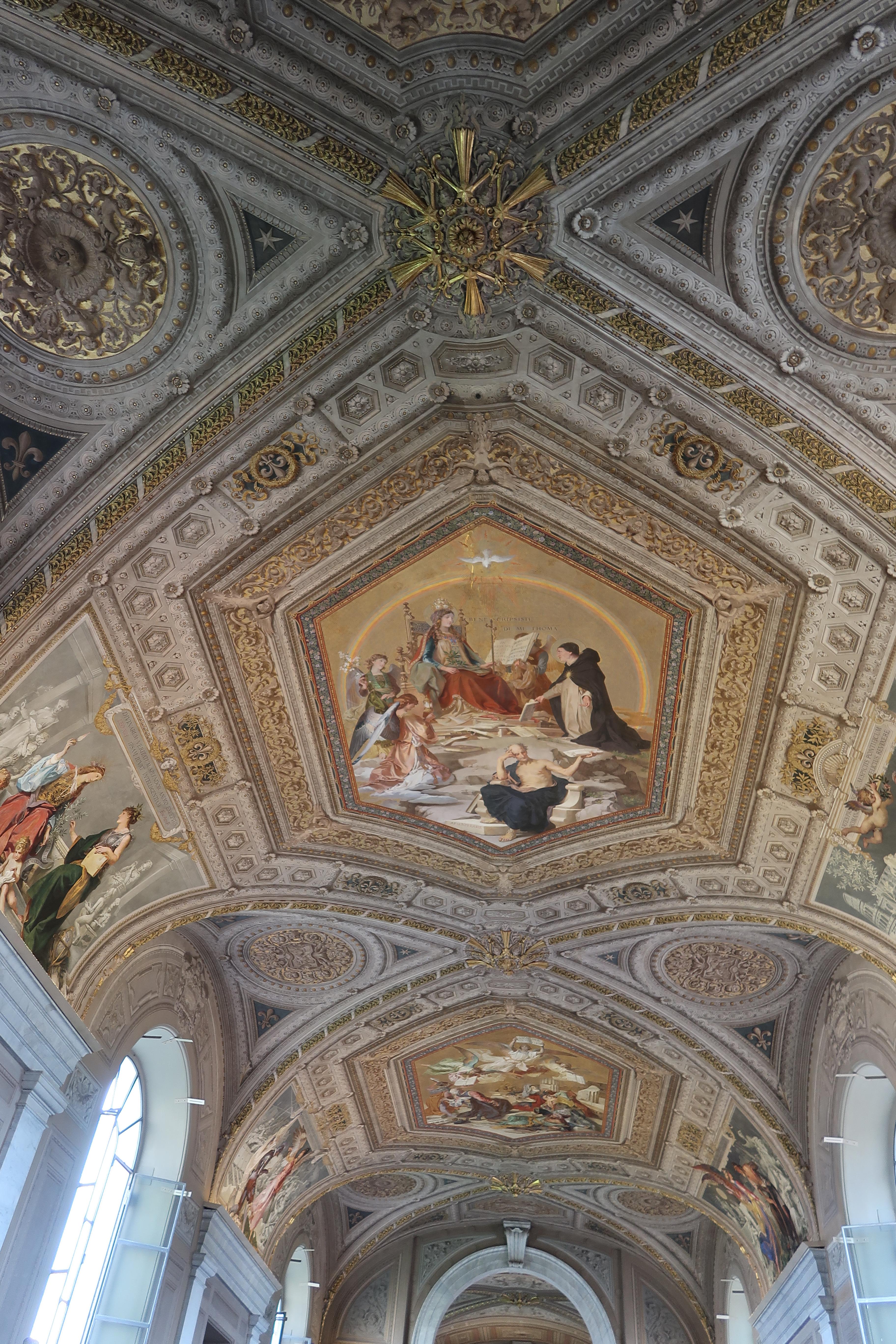
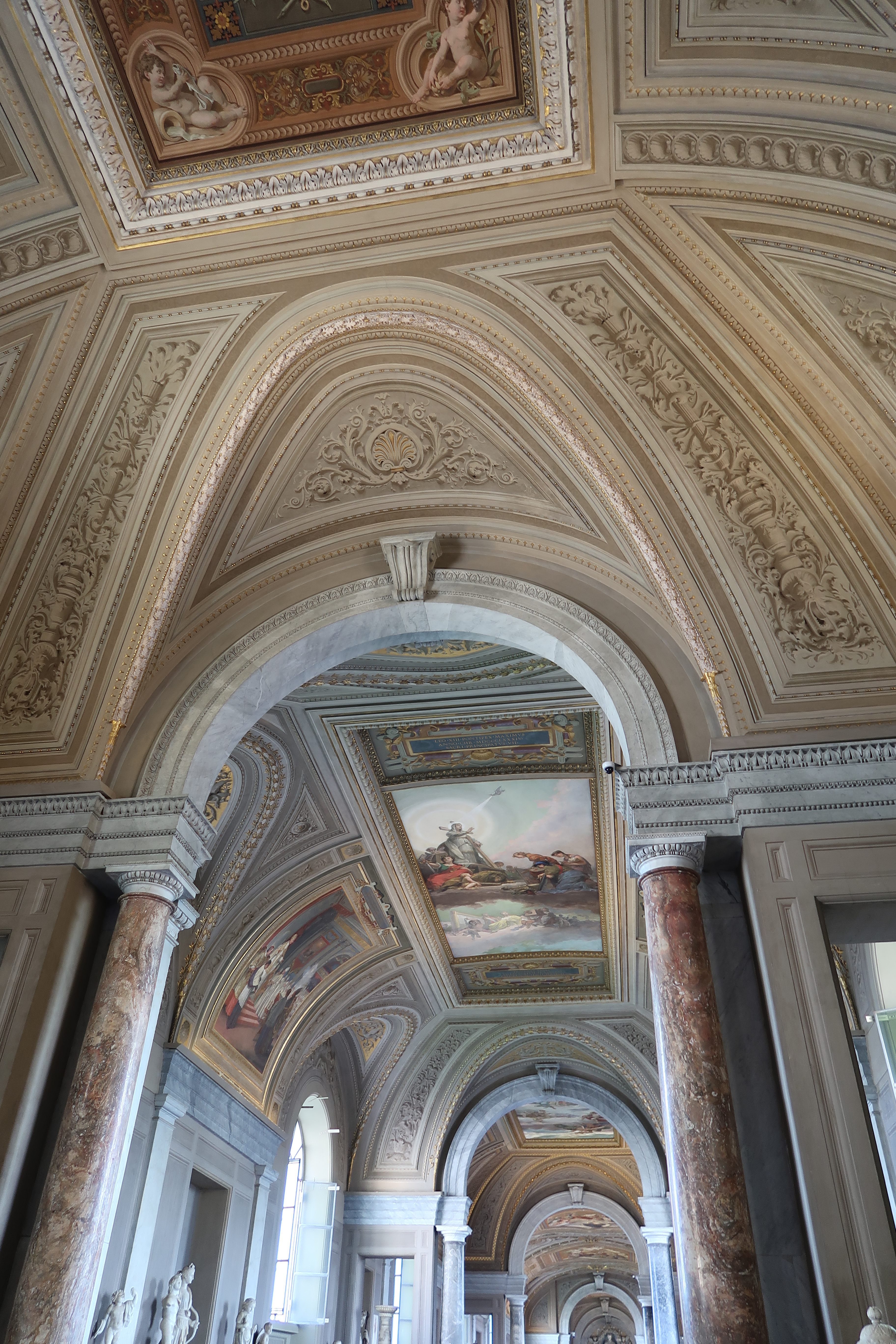
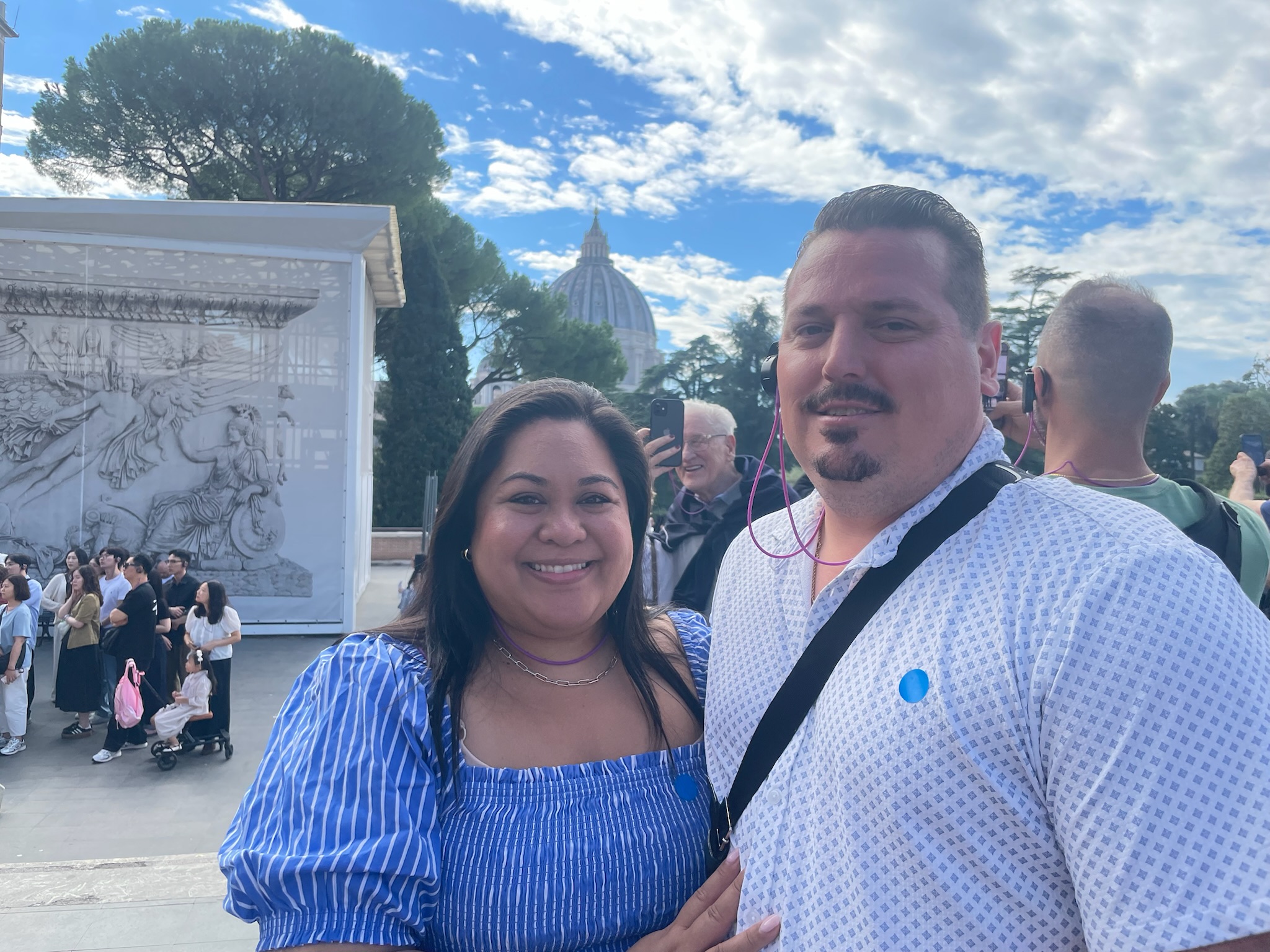
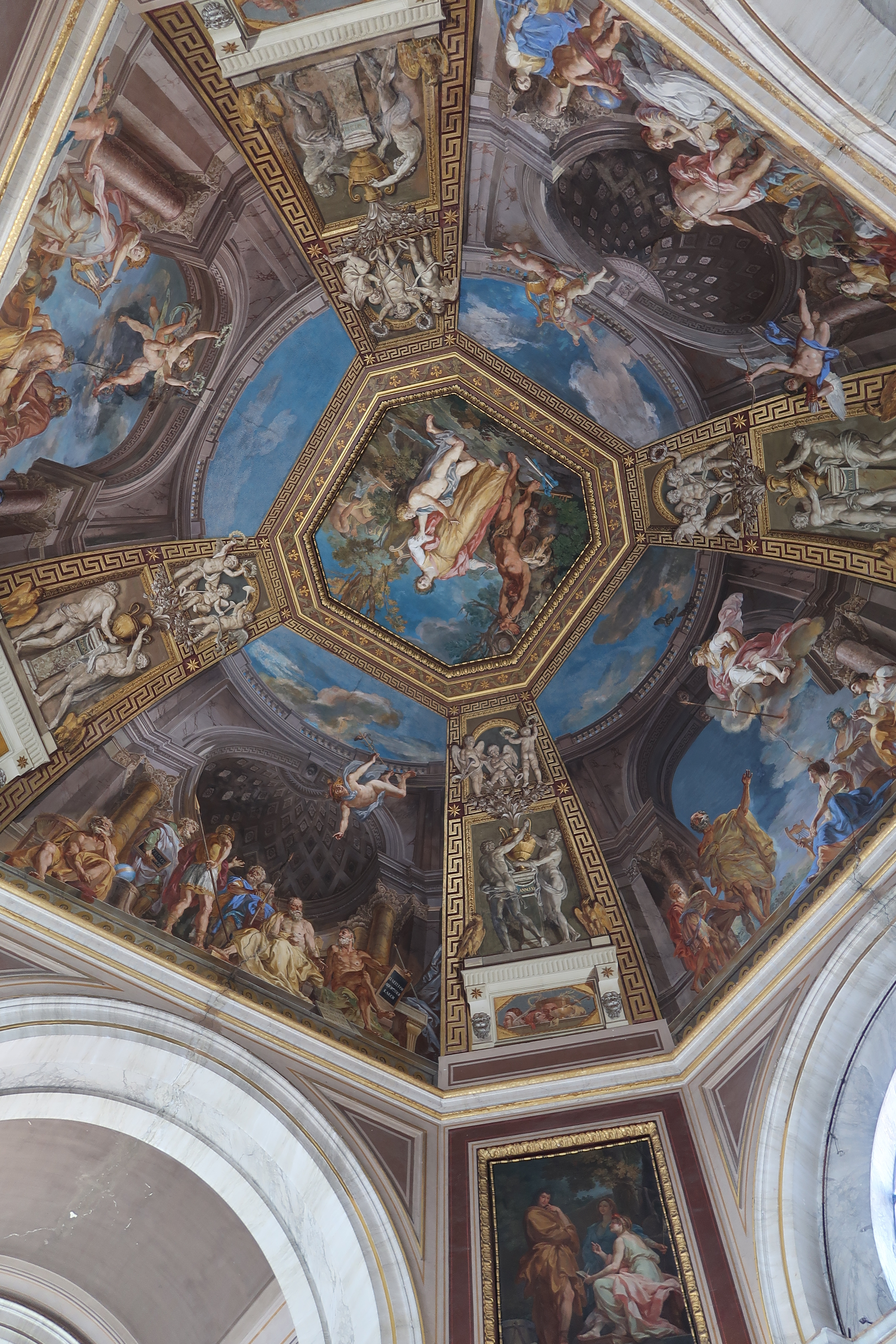
Exiting into St. Peter’s Square, the atmosphere was electric. For the Jubilee, the Holy Doors were open—a rare and symbolic opportunity representing forgiveness and renewal. Passing through them felt like stepping into a living tradition, a moment that will stay with us forever. We walked hand in hand as newlyweds and made a wish as we touched the doors. Inside St. Peter’s Basilica, the soaring dome, intricate mosaics, and serene chapels combined to create a sense of awe and reflection that only the heart of the Catholic Church can inspire.
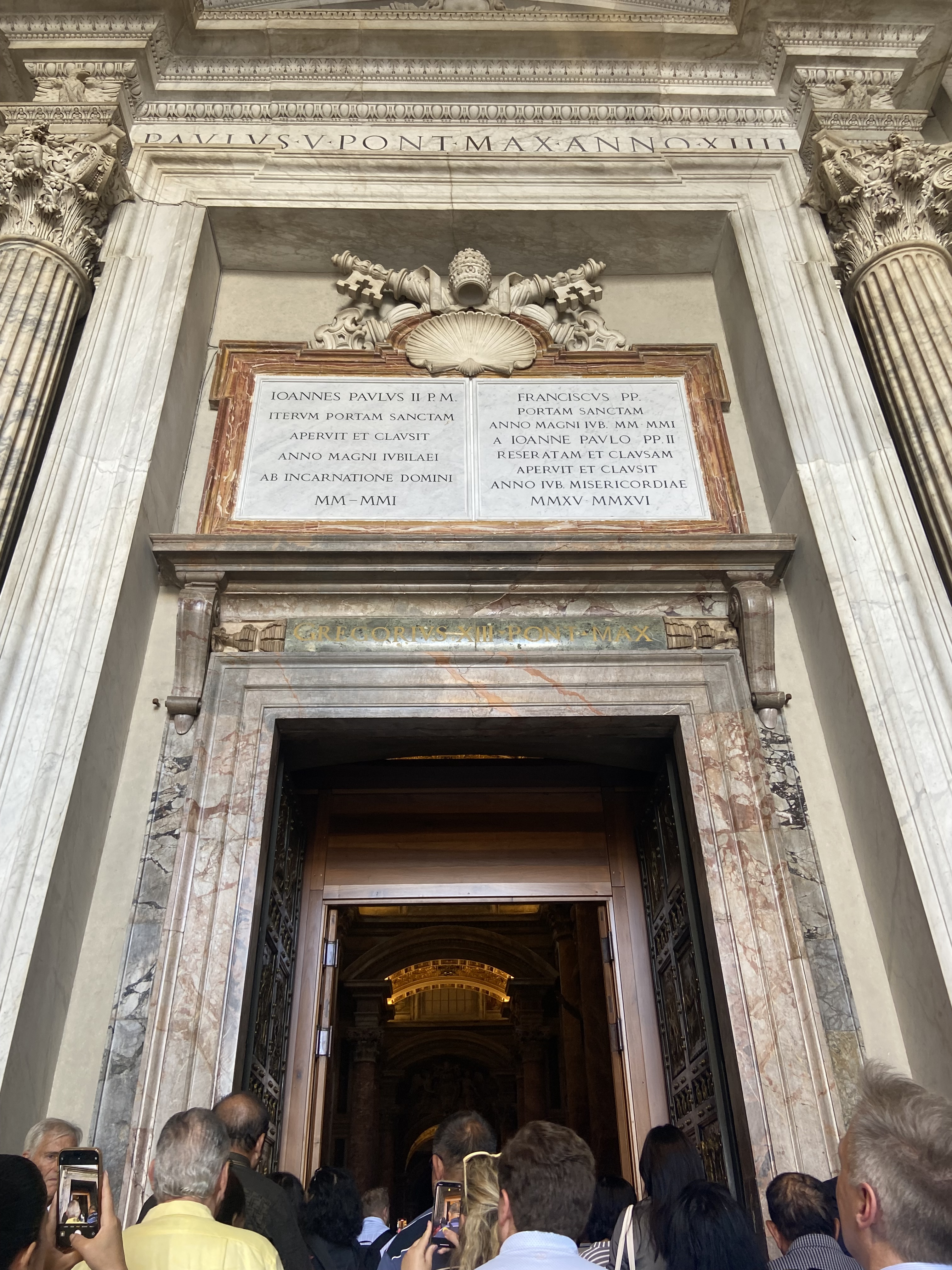
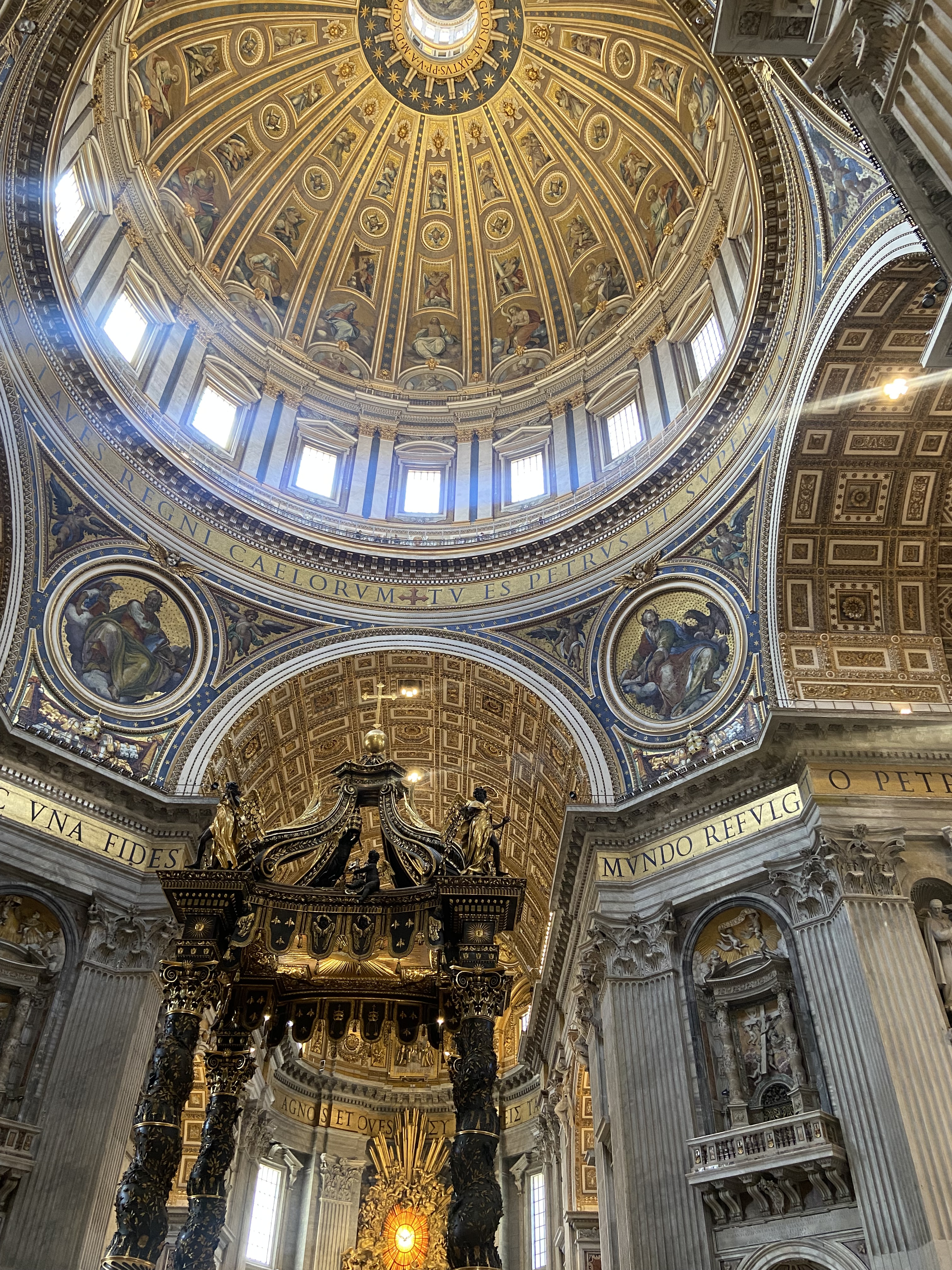
It was more than sightseeing; it was a spiritual and artistic journey, one that captured the soul of Rome and the timeless wonder of the Vatican.
Lunch nearby at Ristorante Arlù provided a refined pause before venturing into Trastevere, Rome’s bohemian soul. Crossing the Tiber, the mood shifts instantly—ivy-covered buildings, laundry strung between windows, and a slower pace of life.
Must-sees:
Santa Maria in Trastevere – one of Rome’s oldest churches, its mosaics gleaming in gold.
Villa Farnesina – a hidden gem filled with Renaissance frescoes.
Afternoon pick-me-up:
Grab coffee at Bar San Calisto or sip cocktails at Freni e Frizioni, where locals gather for creative drinks and relaxed chatter as the sun sets.
Rome is a city that reveals itself in layers—the grand and the intimate, the ancient and the everyday. From climbing the Spanish Steps to standing beneath the vast dome of St. Peter’s, every corner hums with history. Yet, it’s in the quiet espresso bars, the gelato breaks, and the unexpected sunsets that the Eternal City truly captures your heart.
 karenabiogmiller.com