

Florence—cradle of the Renaissance, home of Michelangelo and Botticelli, and a city where every street corner seems to hold a masterpiece. Our four-day stay captured the essence of Florentine life: art, architecture, markets, and meals that define comfort and flavor. We stayed at a hotel in the Porta al Prato area, directly across from Cascine Park, just one tram stop from Santa Maria Novella Station and a short stroll to the Arno River.
Florence is wonderfully walkable, but the tram system makes it easy to reach every part of the city:
- 🎟️ Single ticket: €1.70 (valid 90 minutes)
- 🎟️ 10-ride carnet: €14.00
- 🎟️ 24-hour pass: €5.00 (unlimited rides)
Tap your ticket on the yellow machine when boarding, and you’re good to go!
The Porta al Prato – Leopolda tram stop is just two blocks away, and within 15 minutes on foot you can reach major attractions like the Duomo, San Lorenzo Market, and the Ponte Vecchio.
Day 1 – Renaissance Masterpieces & Historic Squares


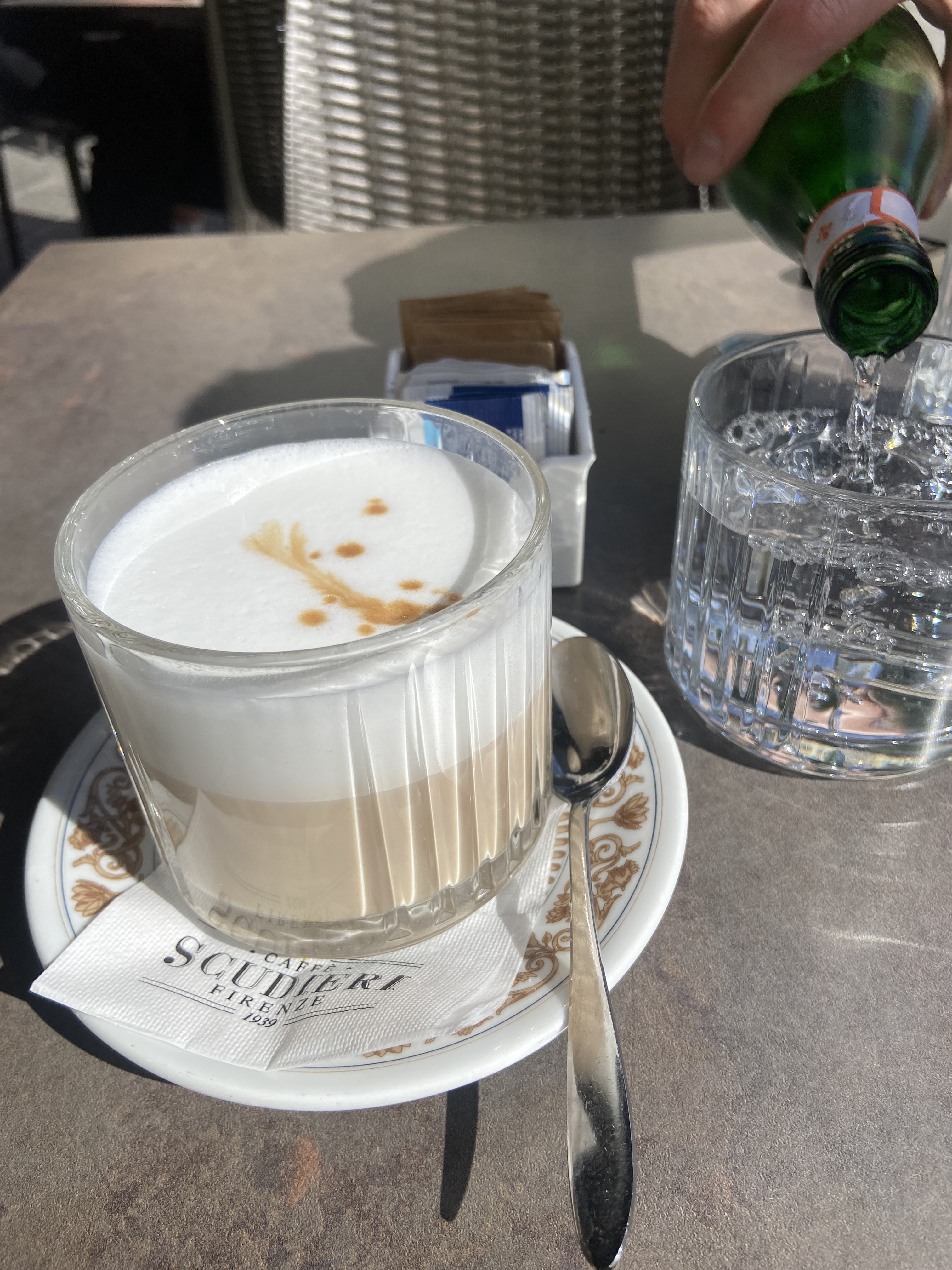
Morning Arrival:
We arrived at 11:39 AM and checked into the hotel before heading out to explore.
Lunch:
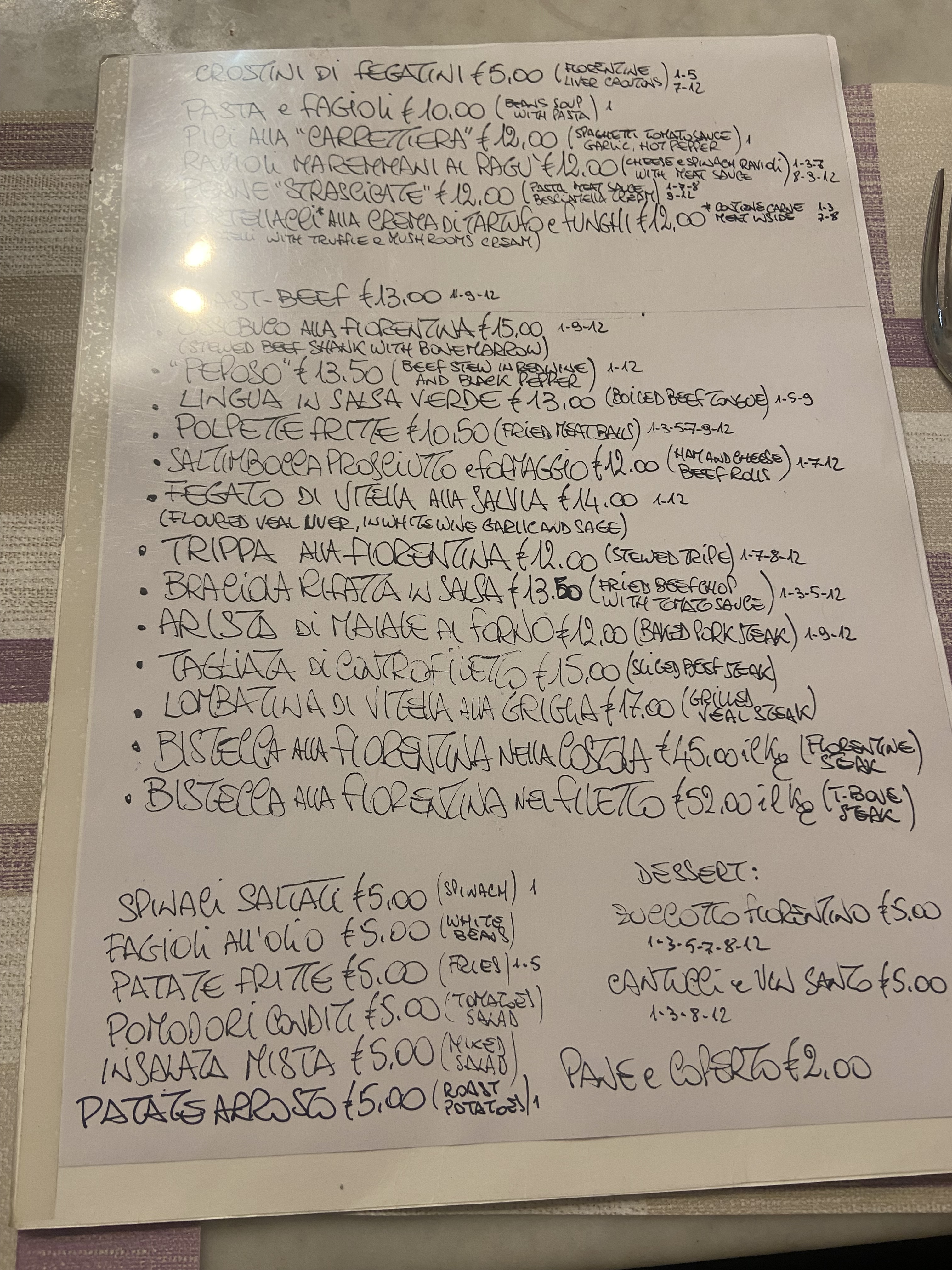
For a classic Tuscan welcome, we tried Trattoria Sergio Gozzi near Piazza San Lorenzo—hearty soups, pastas, and simple meat dishes at fair prices. Other nearby favorites include Trattoria Da Giorgio (casual and budget-friendly) and Trattoria Sostanza, famous for its buttery chicken and bistecca alla fiorentina.

Afternoon:
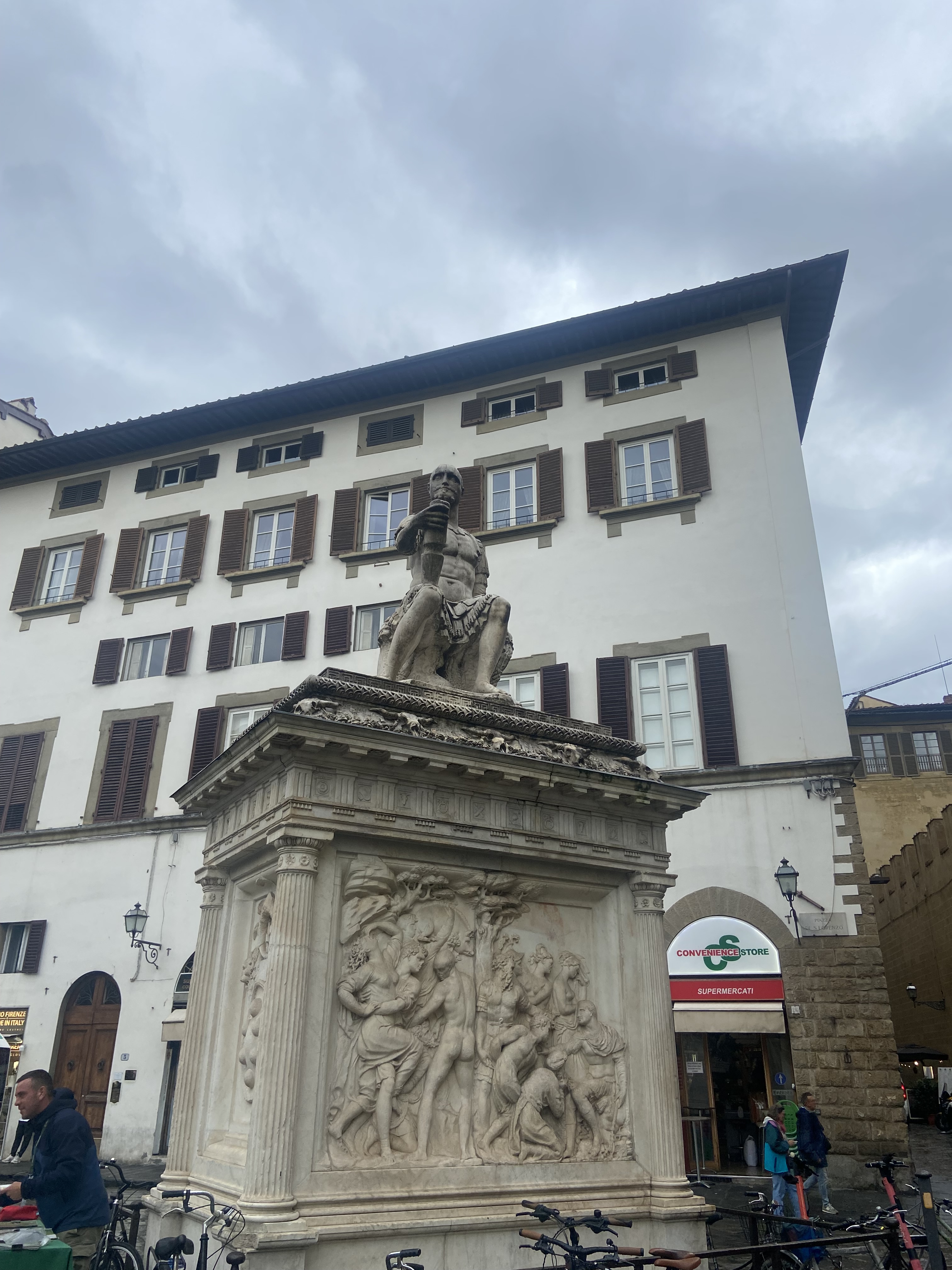
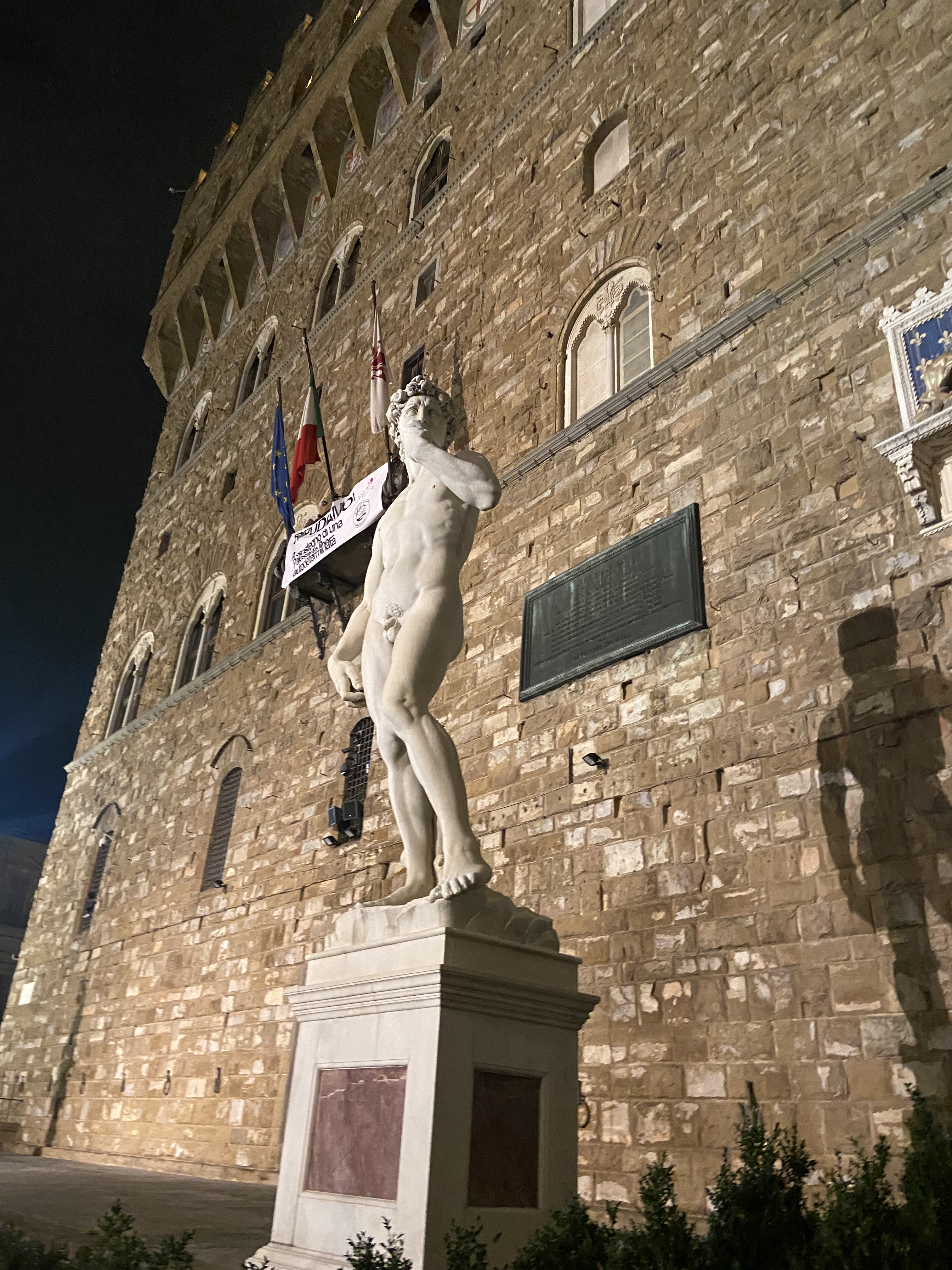
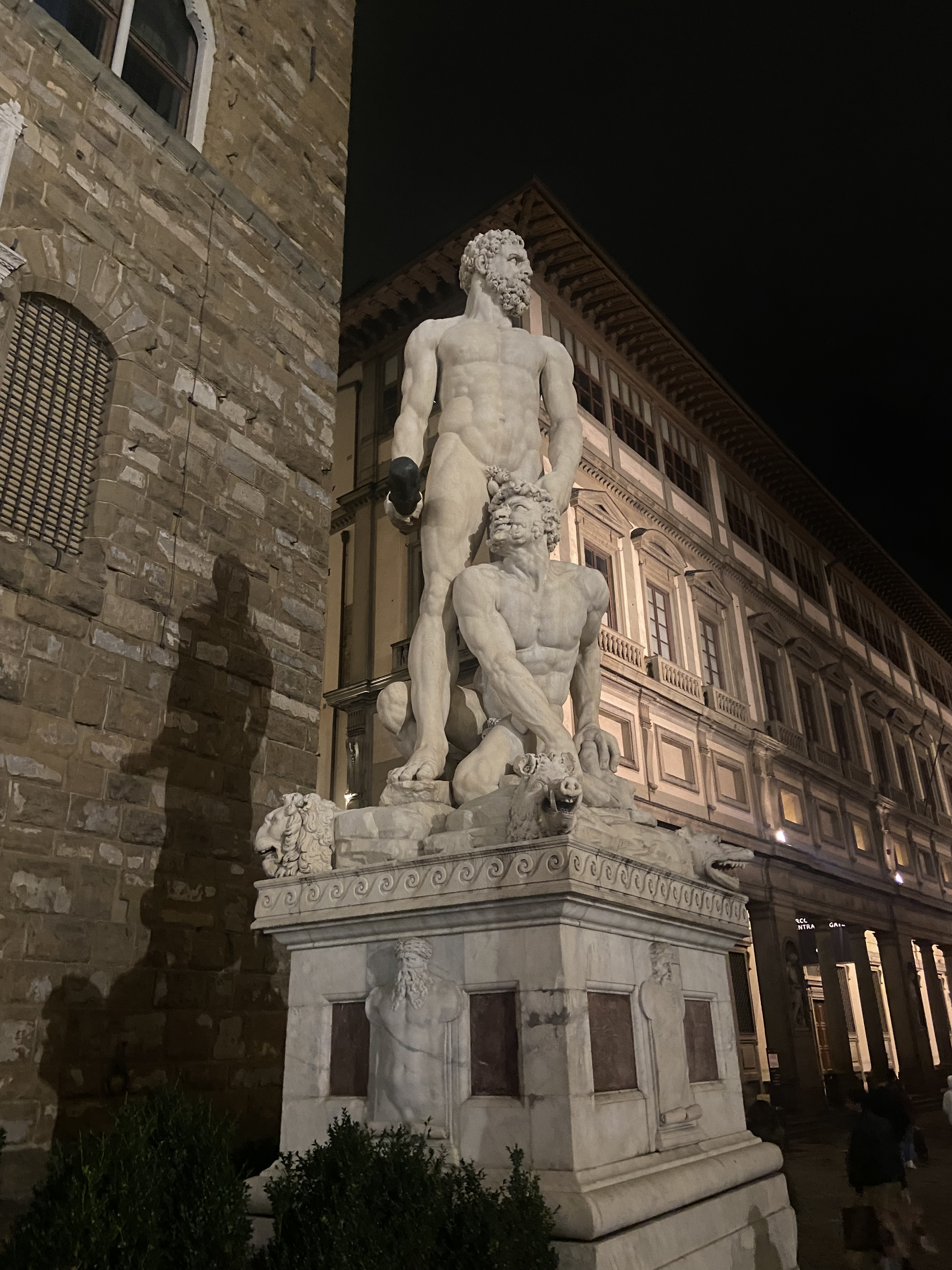
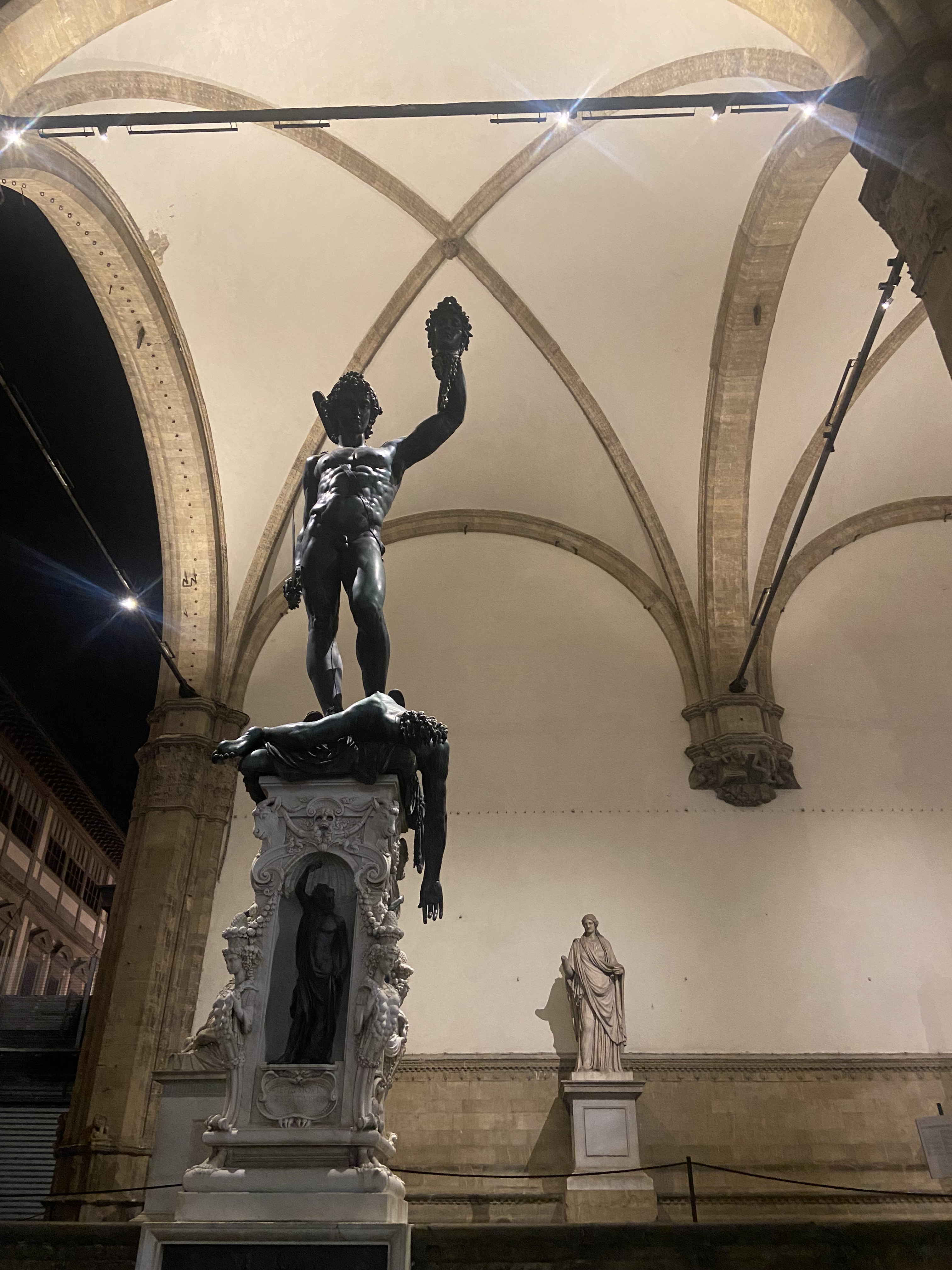
We wandered through Piazza della Signoria, the open-air museum of Florence, surrounded by sculptures, fountains, and grand palaces. The Palazzo Vecchio’s Arnolfo Tower offered stunning views of the city skyline. Nearby, we admired the Loggia dei Lanzi, Fountain of Neptune, and the copy of Michelangelo’s David.
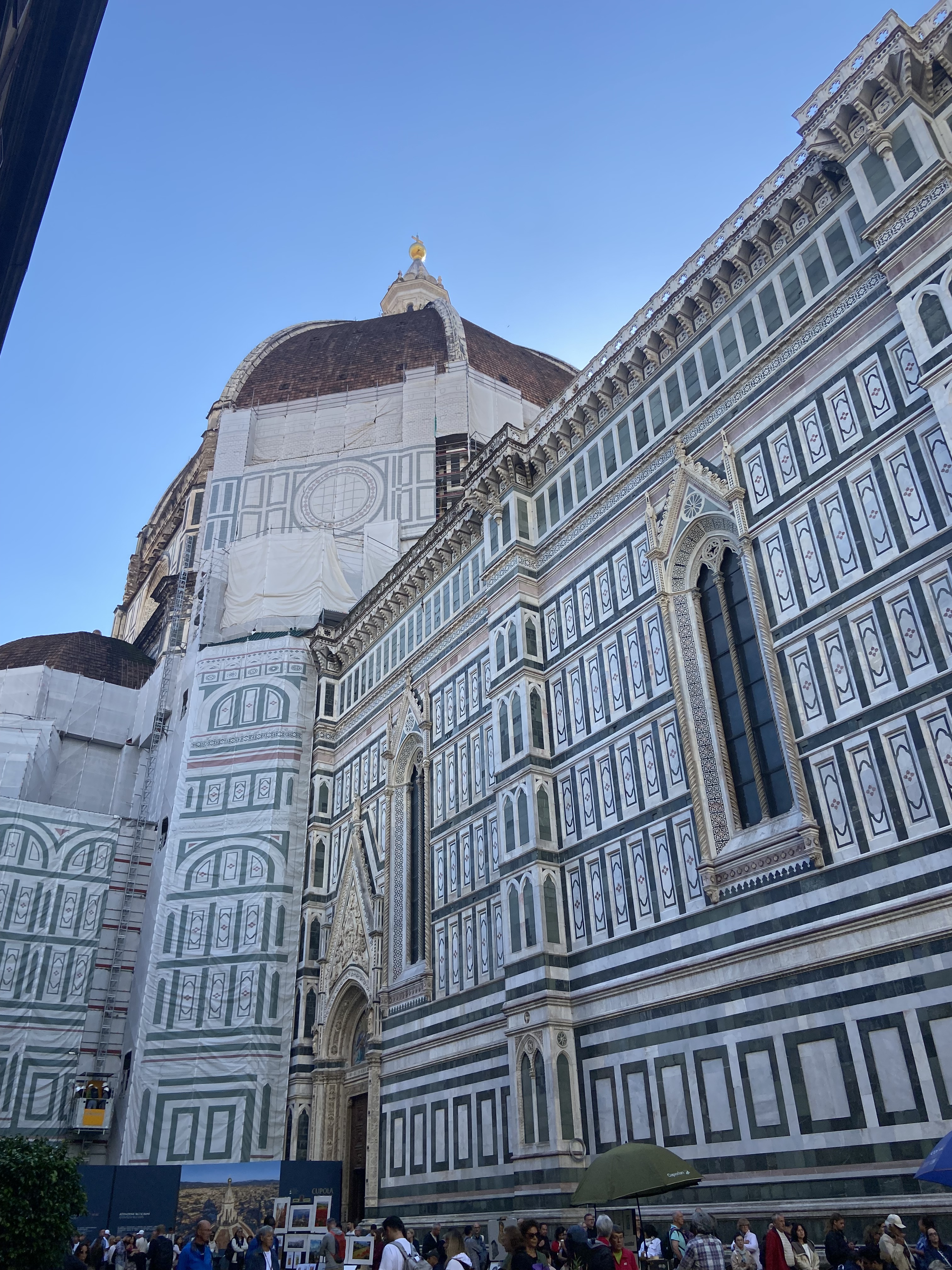
From there, we walked to Piazza del Duomo to see the Cathedral of Santa Maria del Fiore, Giotto’s Bell Tower, and Baptistery—masterpieces of Gothic and Renaissance architecture. A gelato stop at Gelateria de’ Neri was essential.
Evening:
We strolled across the Ponte Vecchio, the city’s most iconic bridge, watching the sunset over the Arno before dinner at Trattoria Antico Fattore. If you’re craving the comfort of home-cooked Tuscan food, Trattoria La Casalinga delivers exactly that. Nestled near the bustling Piazza Santo Spirito, this family-run trattoria has been a local favorite since the 1960s. Stepping inside feels like being welcomed into someone’s kitchen—simple décor, a lively hum of conversation, and the irresistible aroma of roasted meats and simmering sauces.
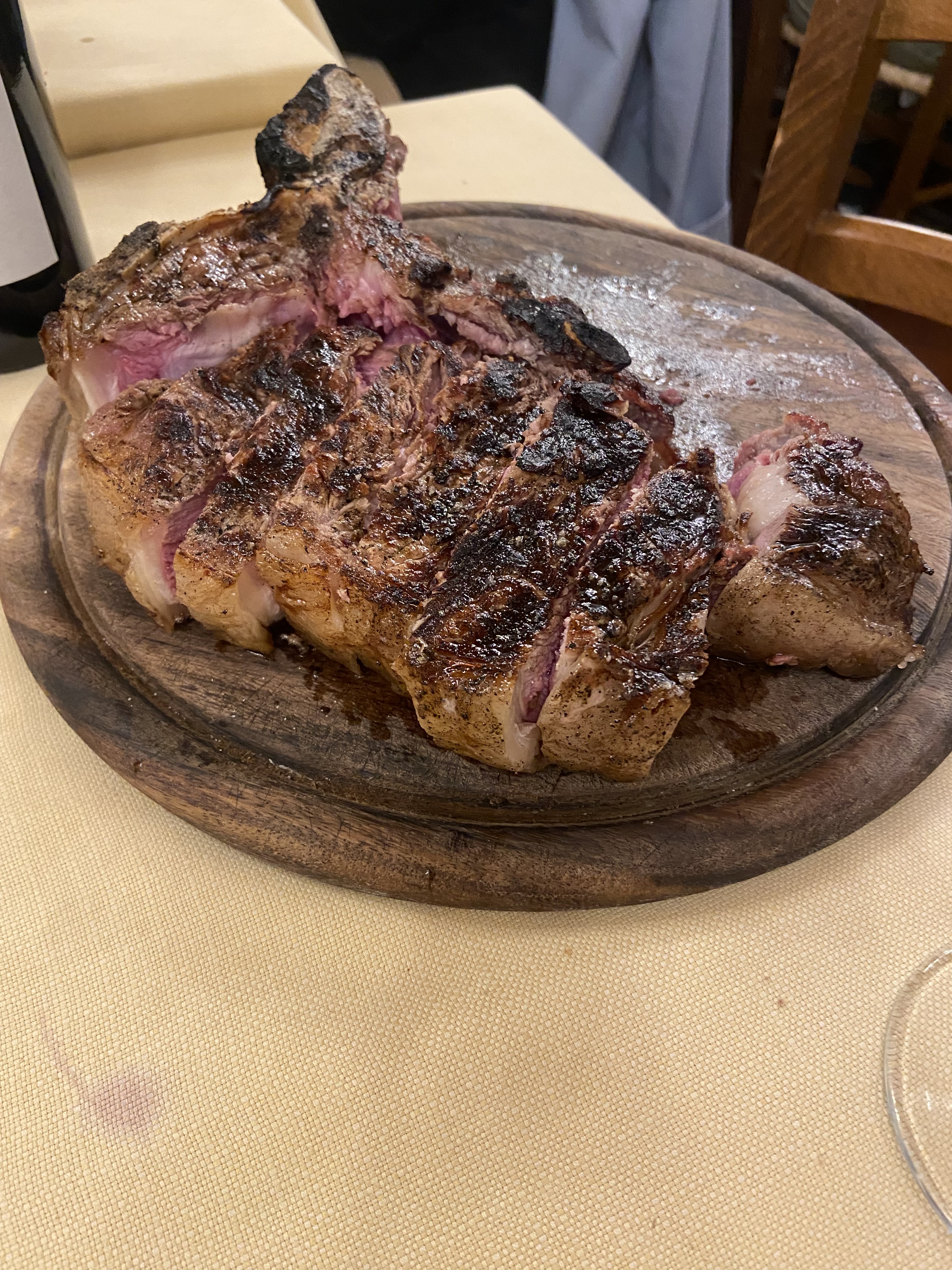
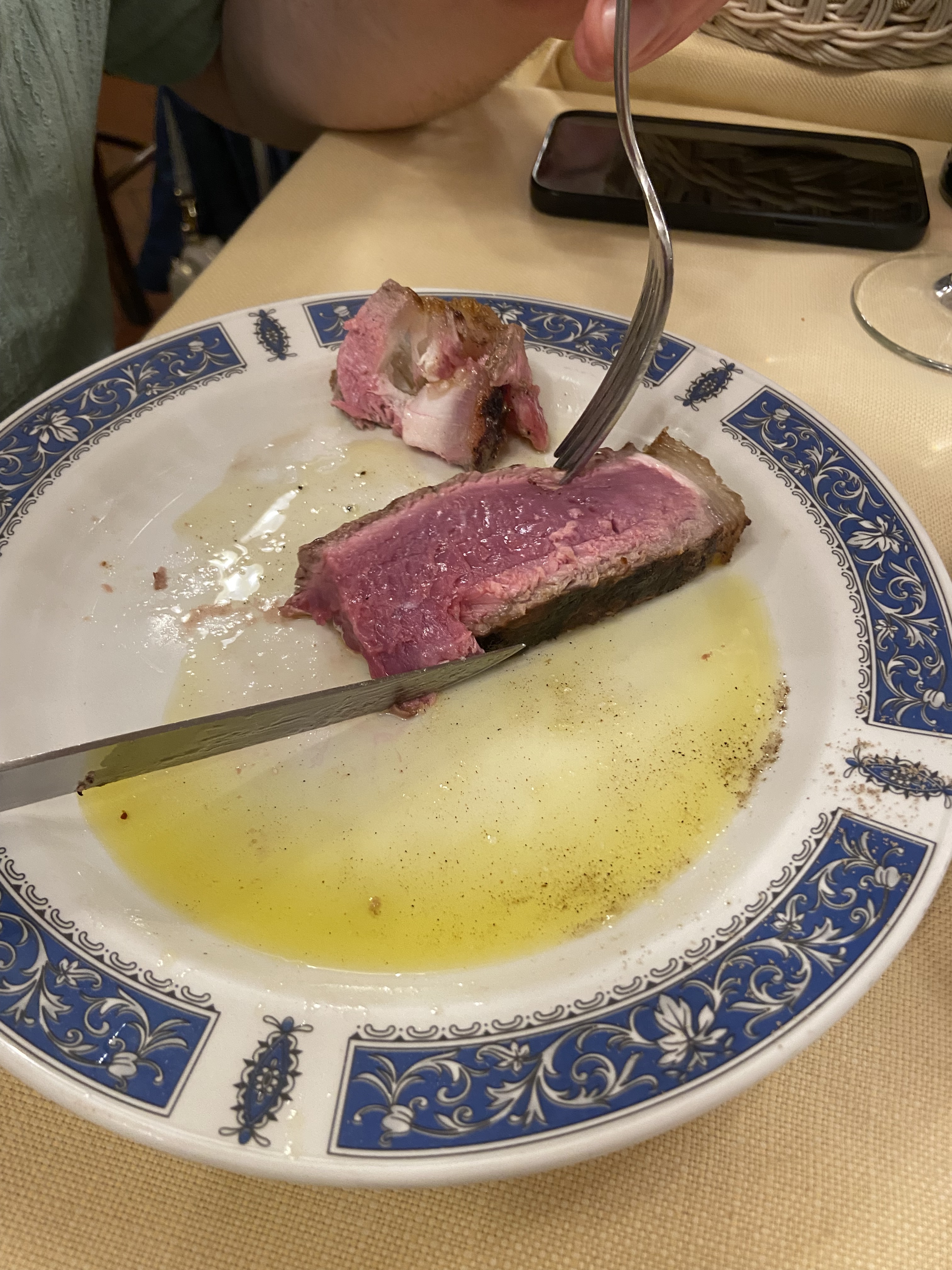
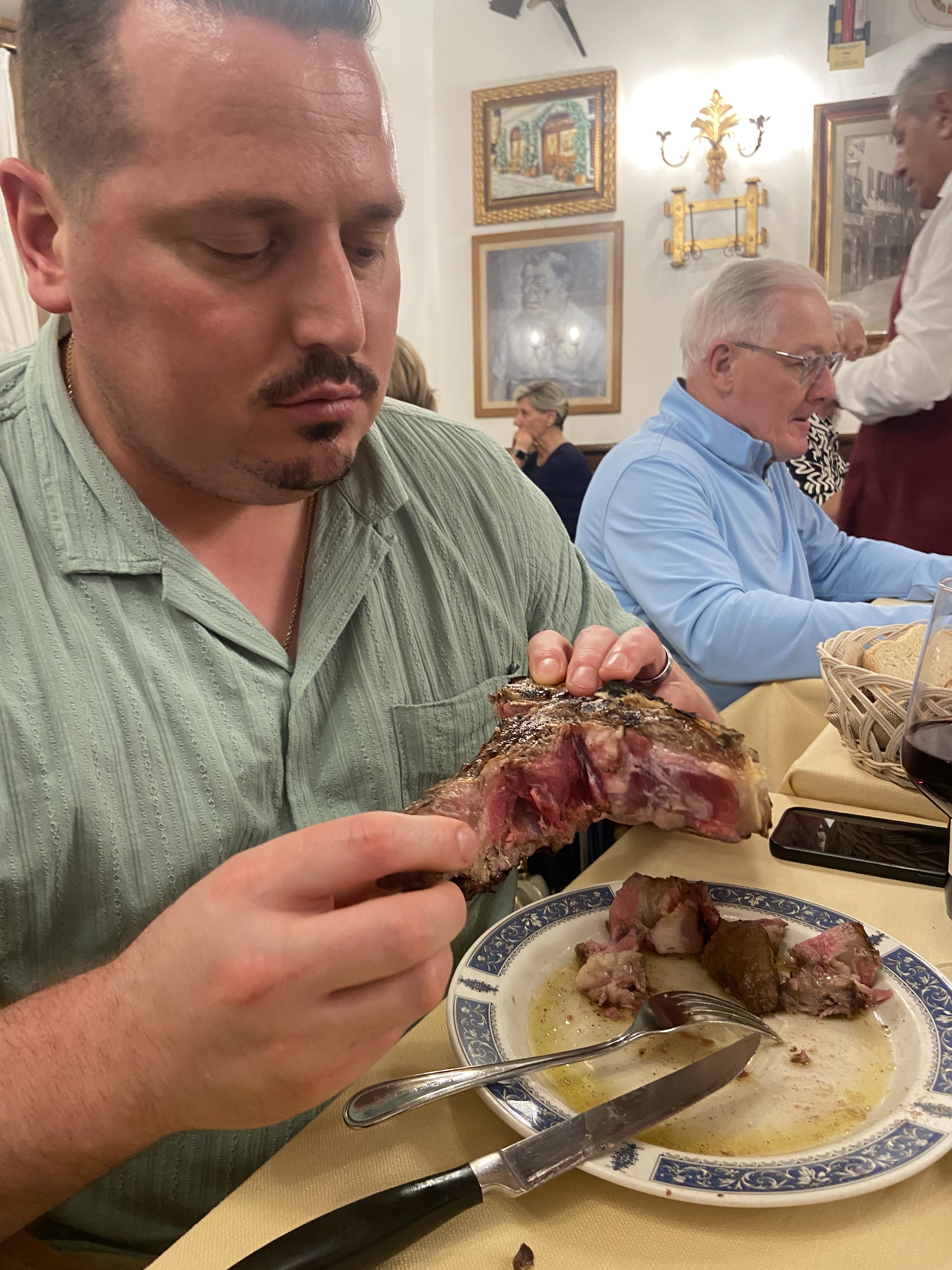
This is where Florentines go for the real deal: no frills, just honest food. The menu changes seasonally, featuring rustic staples like pappa al pomodoro (tomato and bread soup), ribollita (hearty vegetable and bread stew), and tagliatelle al ragù. The bistecca alla Fiorentina is outstanding here too—charred to perfection yet juicy inside—and the portions are generous enough to share.
What to Order:
Pappa al pomodoro or ribollita – traditional Tuscan soups full of flavor
Lasagna al forno or pici al ragù di cinghiale – rich, satisfying pasta dishes
Bistecca alla Fiorentina – one of the best local renditions for its price
Contorno di fagioli all’uccelletto – classic Tuscan white beans with tomato and sage
Homemade tiramisu or panna cotta – simple, delicious desserts
Tips:
- Go for lunch for a more local crowd; dinner tends to draw more visitors.
- Arrive early or reserve—it’s popular, and tables fill quickly.
- Don’t expect fancy plating. This is Florentine soul food: rustic, flavorful, and generous.
- Cash is preferred, though cards are usually accepted.
- If Florence had a “Sunday lunch at Nonna’s” spot, La Casalinga would be it.


Day 2 – Art, Gardens & Fiery Sunset Views
Morning:
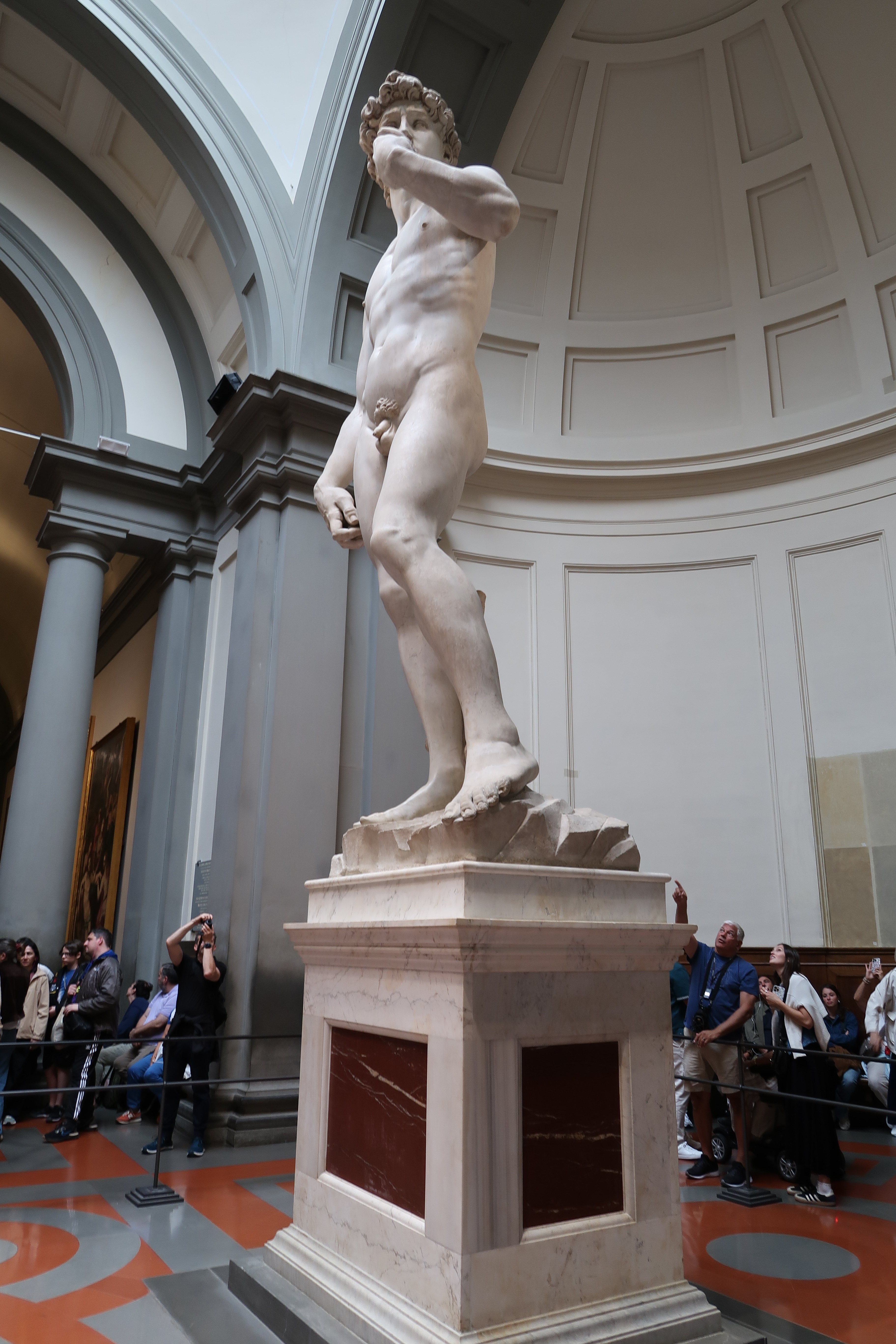
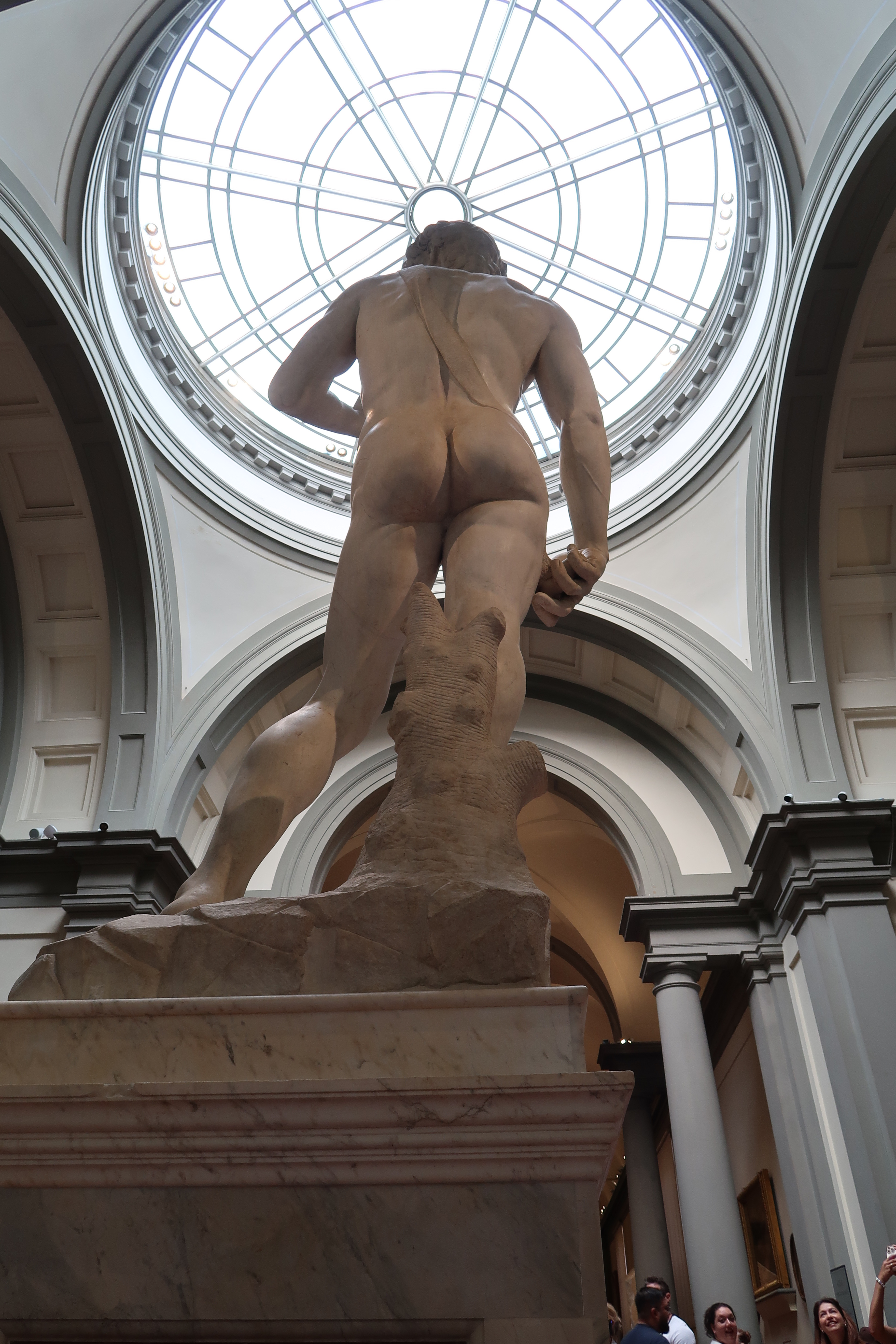
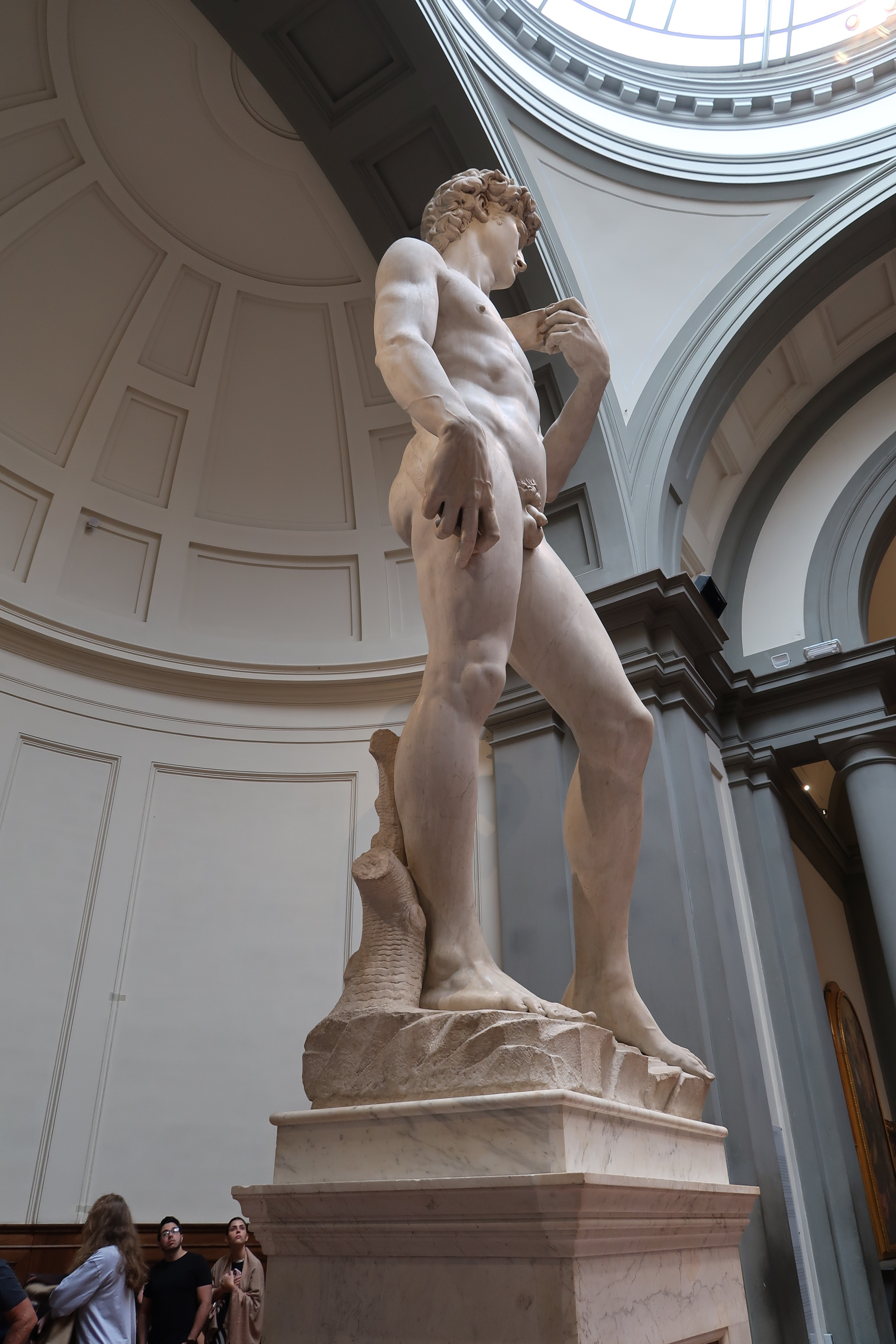
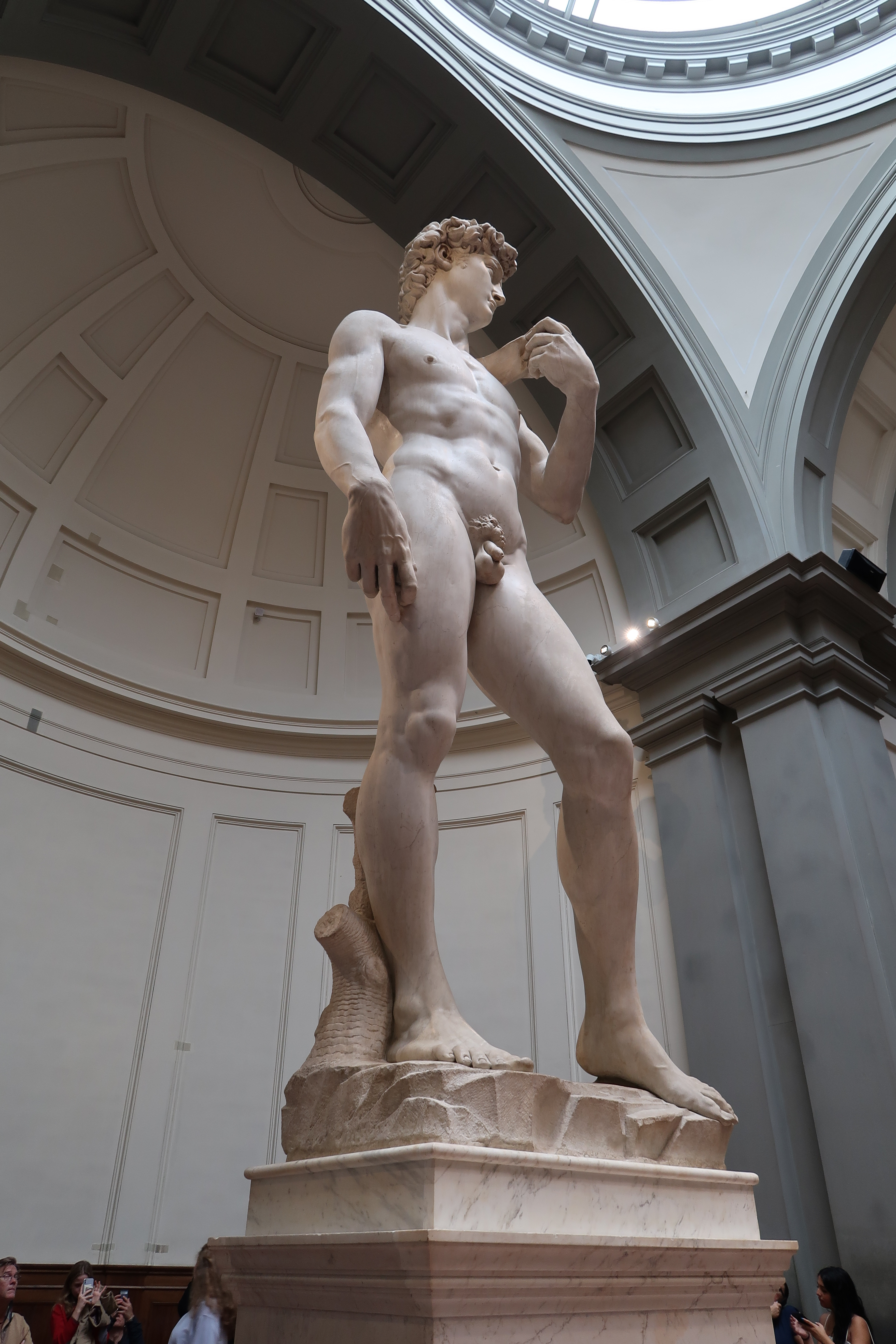
After breakfast, we took the tram and a short walk to the Accademia Gallery to see Michelangelo’s David. While smaller than the Uffizi, the Accademia Gallery offers an equally profound experience. Most people come for one reason—to see Michelangelo’s David—but the gallery’s other works make the visit richer than expected. The building was originally founded in 1784 as an art school by the Grand Duke of Tuscany, Pietro Leopoldo, to inspire young artists through exposure to great works.
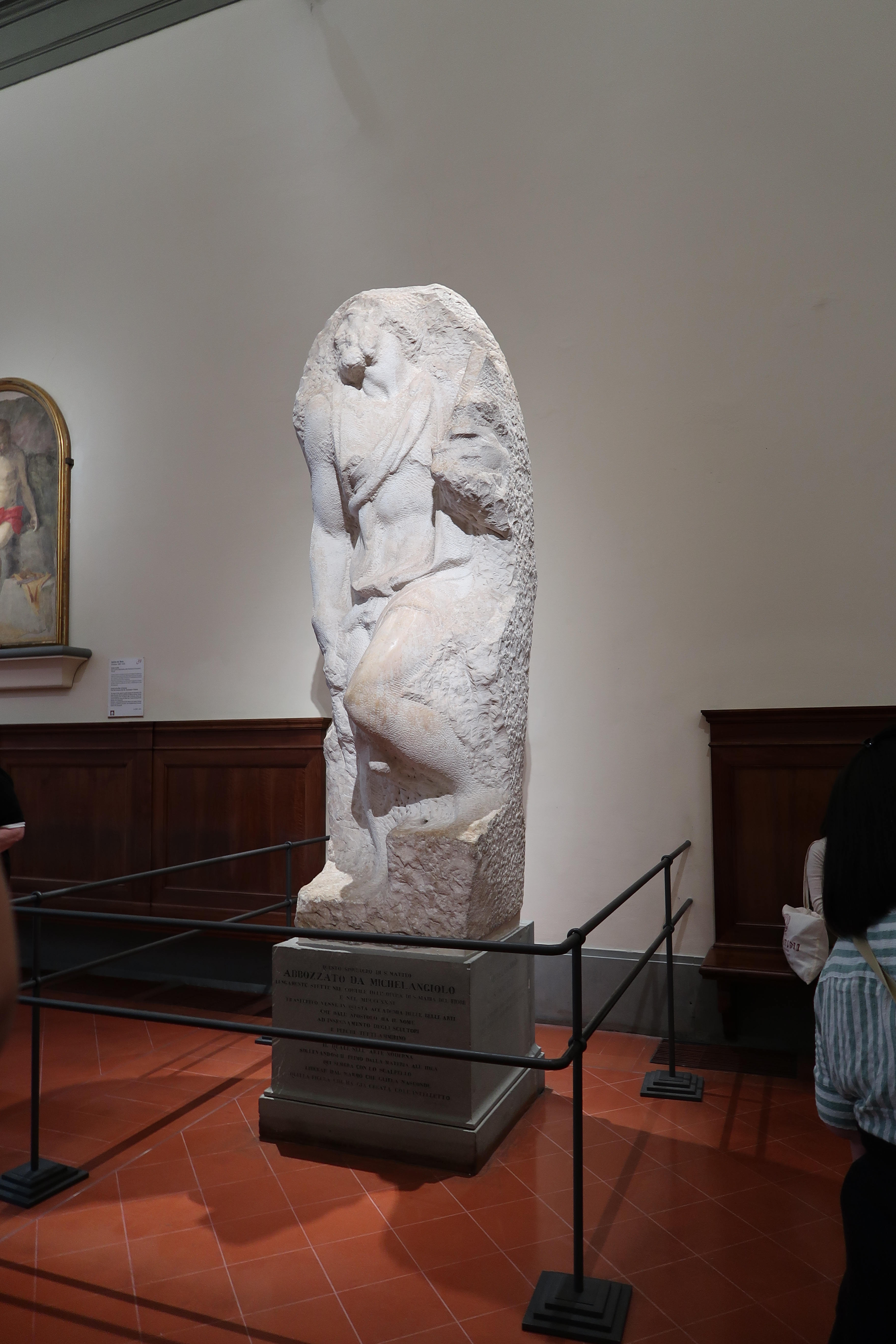
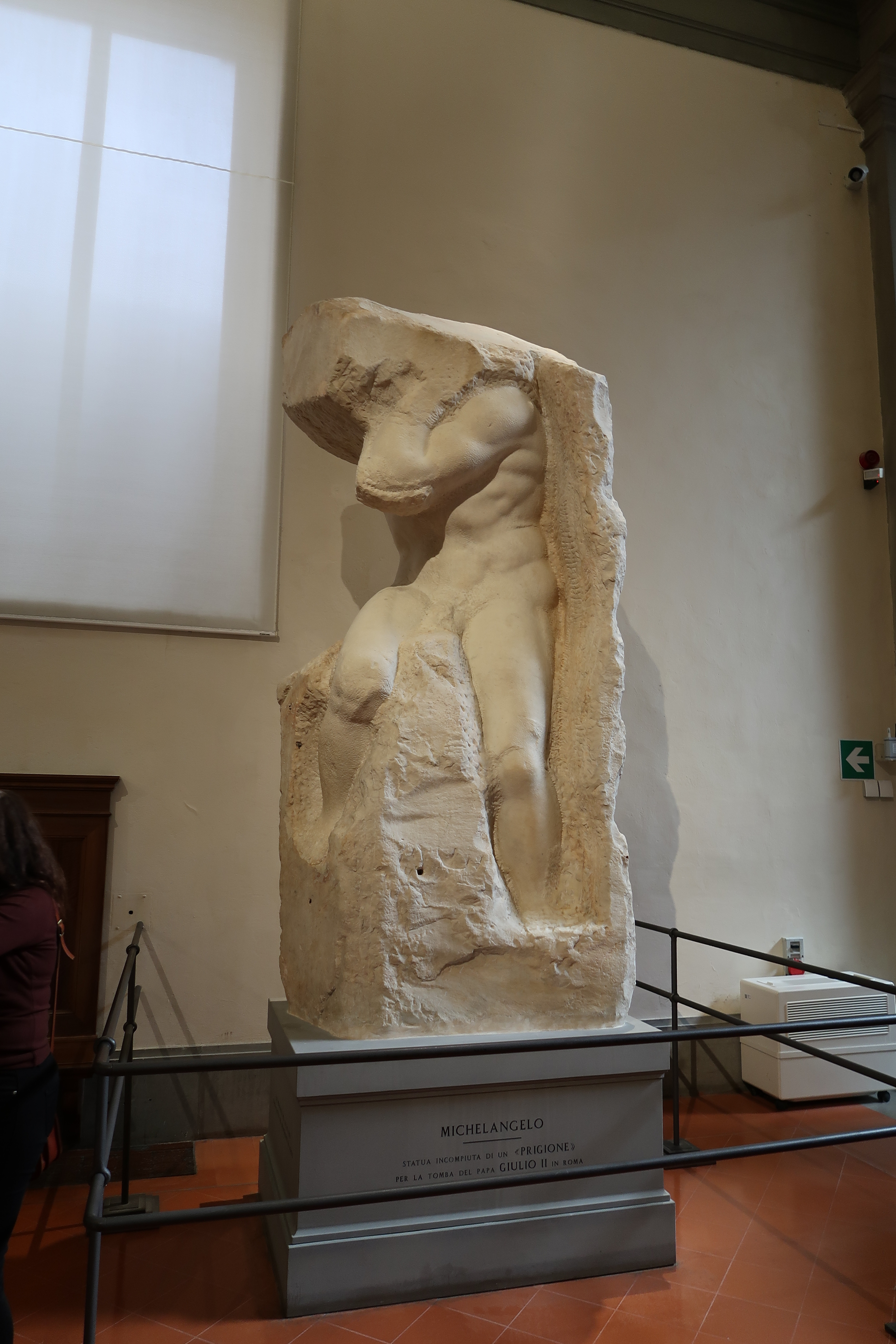
As you walk through the Galleria dei Prigioni (the Hall of the Prisoners), you’ll pass Michelangelo’s unfinished sculptures—The Slaves—which seem to be struggling to free themselves from the marble. It’s haunting and powerful, a glimpse into the artist’s mind and process. Then, at the end of the hall, you’ll turn a corner and see David—17 feet tall, perfectly illuminated, and carved entirely from a single block of Carrara marble. Seeing it in person feels different than any photo; there’s a sense of awe that settles in the quiet of the room.





Lunch:
We stopped at Osteria de L’Ortolano for ribollita and roasted meats, though Trattoria Mario (open for lunch only) was also high on our list for authentic, home-style dishes.
Afternoon:
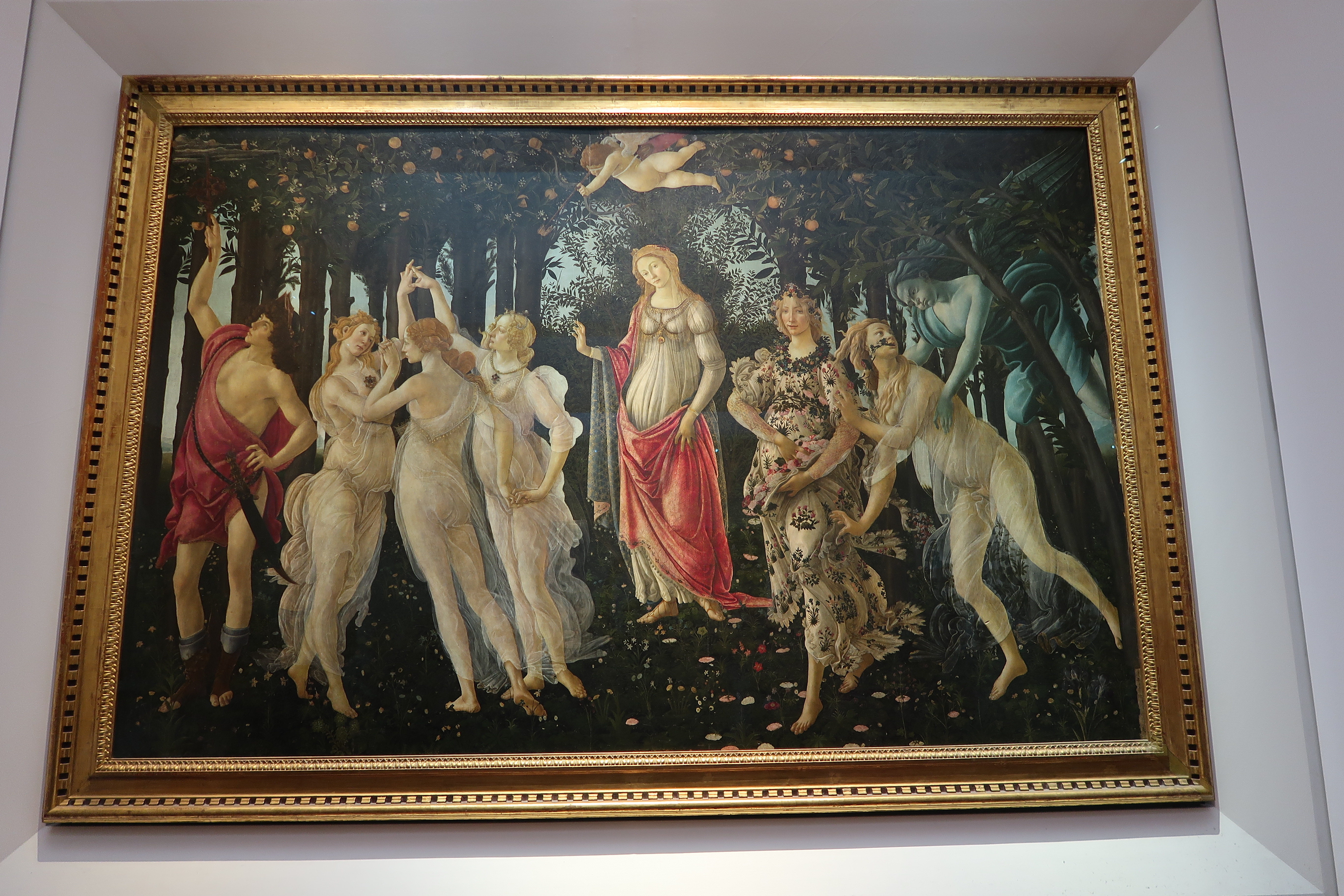
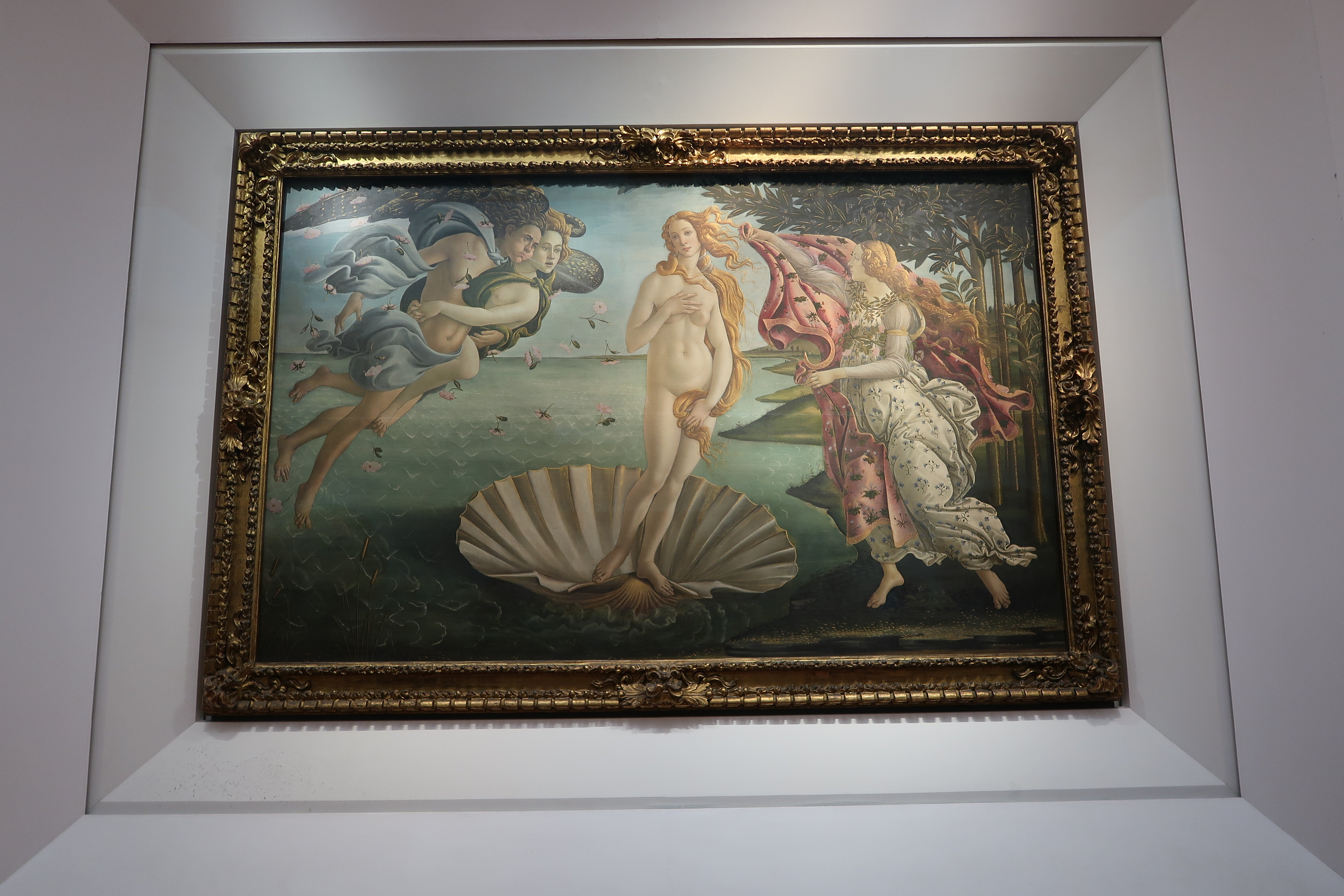
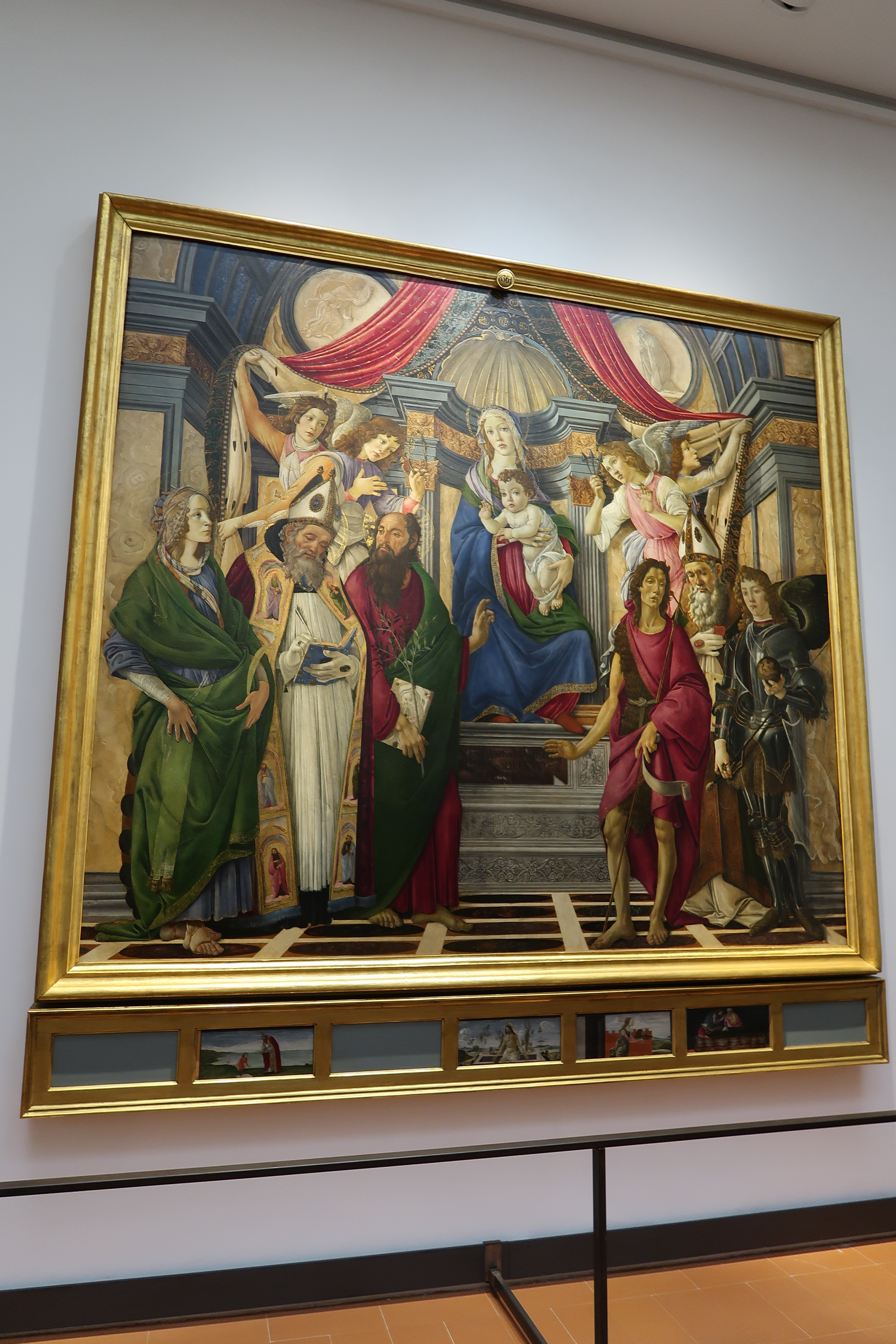
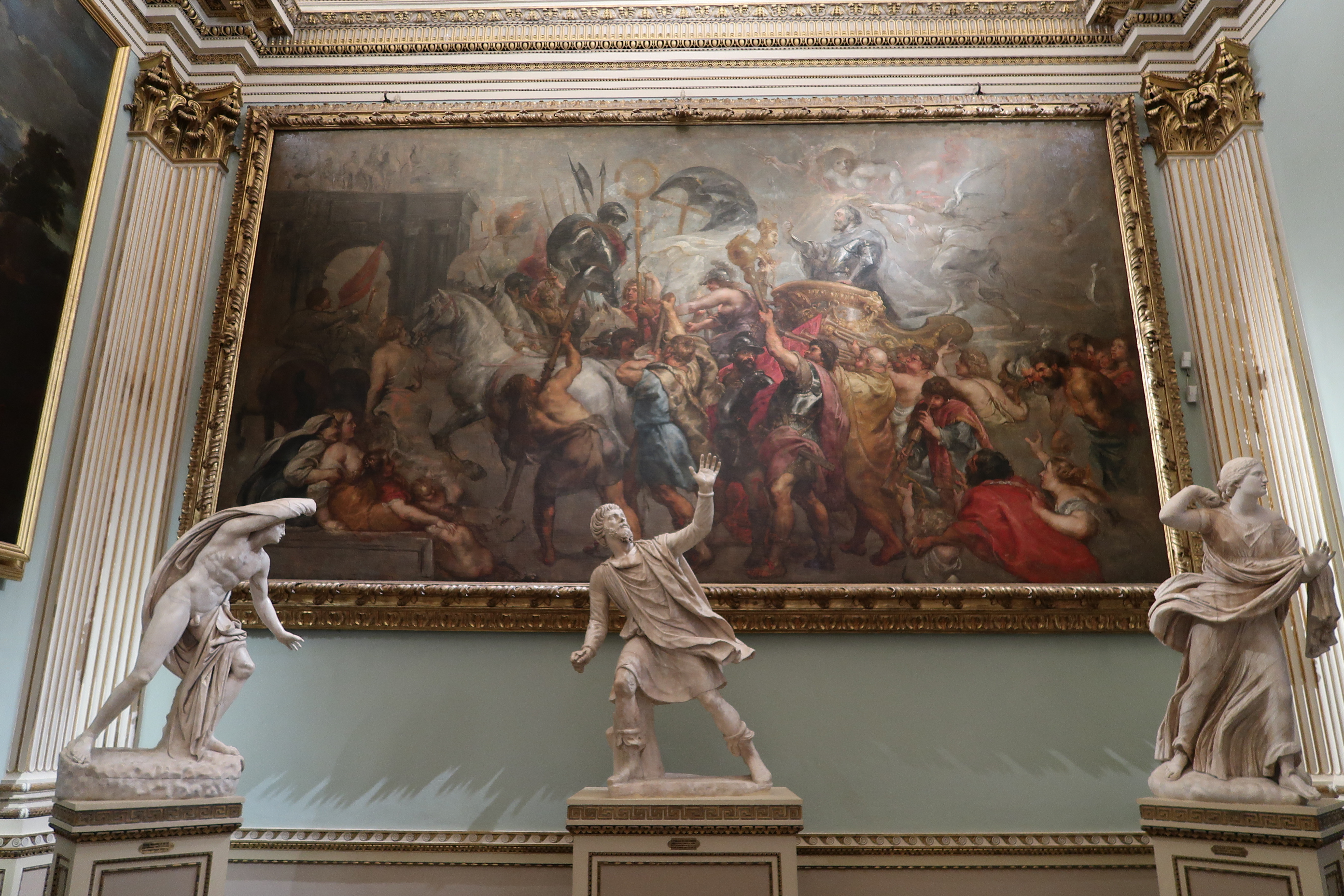
Our afternoon was devoted to the Uffizi Gallery, home to Botticelli’s Birth of Venus and da Vinci’s early works. It’s a must-see for art lovers. No trip to Florence is complete without visiting the Uffizi Gallery, one of the most important art museums in the world. Originally built in the 16th century by Giorgio Vasari for the powerful Medici family as government offices (“uffizi” literally means “offices” in Italian), the building gradually transformed into a treasure trove of Renaissance art. As you walk its long, light-filled corridors overlooking the Arno River, you’re tracing the same footsteps that dukes, scholars, and artists once took centuries ago.
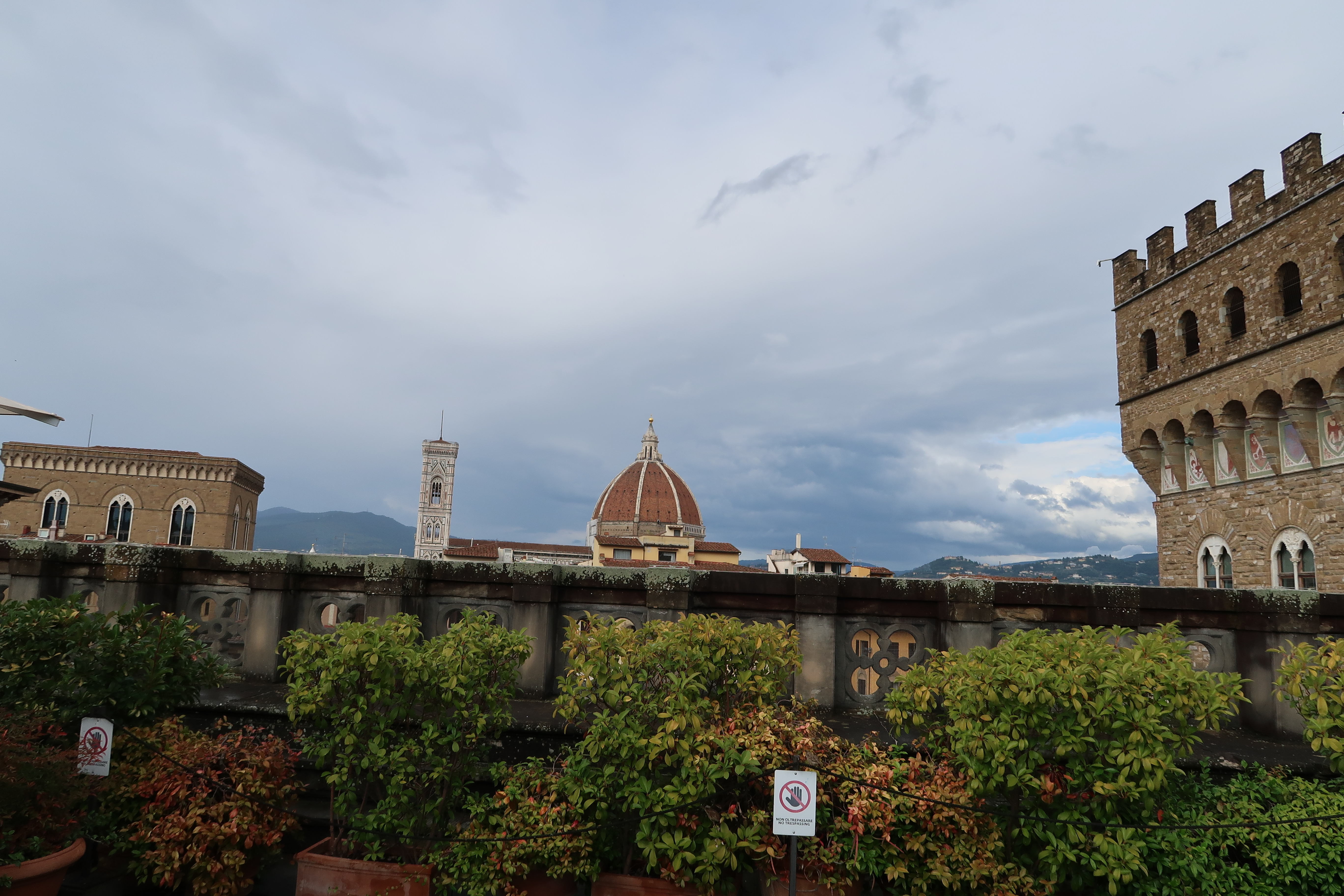
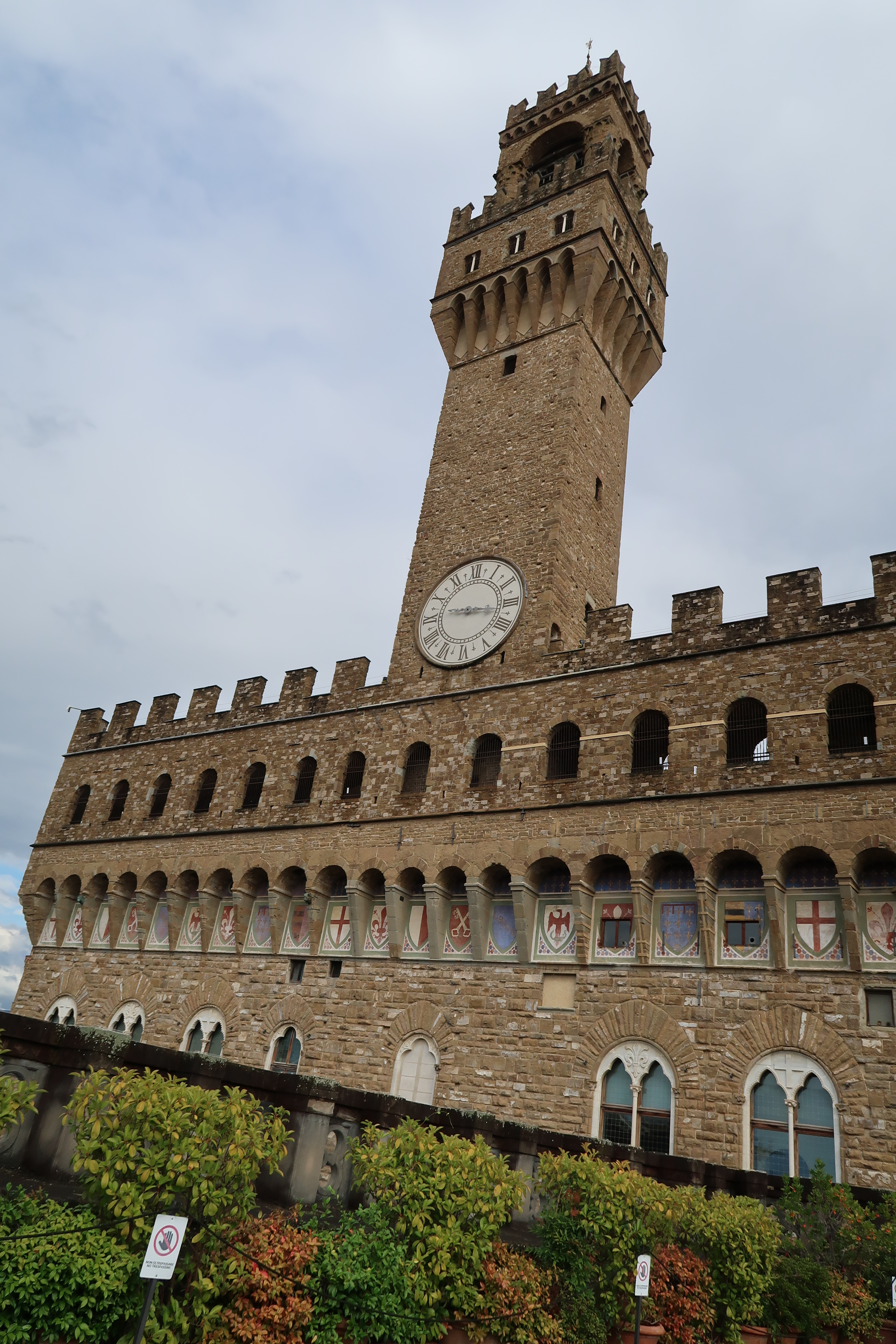
Inside, every room feels like a chapter in the story of Western art. You’ll stand face-to-face with Botticelli’s The Birth of Venus and Primavera, admire Leonardo da Vinci’s early works, and be drawn in by Caravaggio’s dramatic play of light and shadow. The museum can be overwhelming, so pacing yourself is key—stop for a cappuccino at the rooftop café halfway through and look out over the Palazzo Vecchio’s tower. It’s a view the Medici themselves once enjoyed.





Evening:
Dinner followed at Trattoria La Casalinga, where truffle pastas and hearty Tuscan stews were perfect after a long day.
Day 3 – Churches, Markets & Leather
Morning:
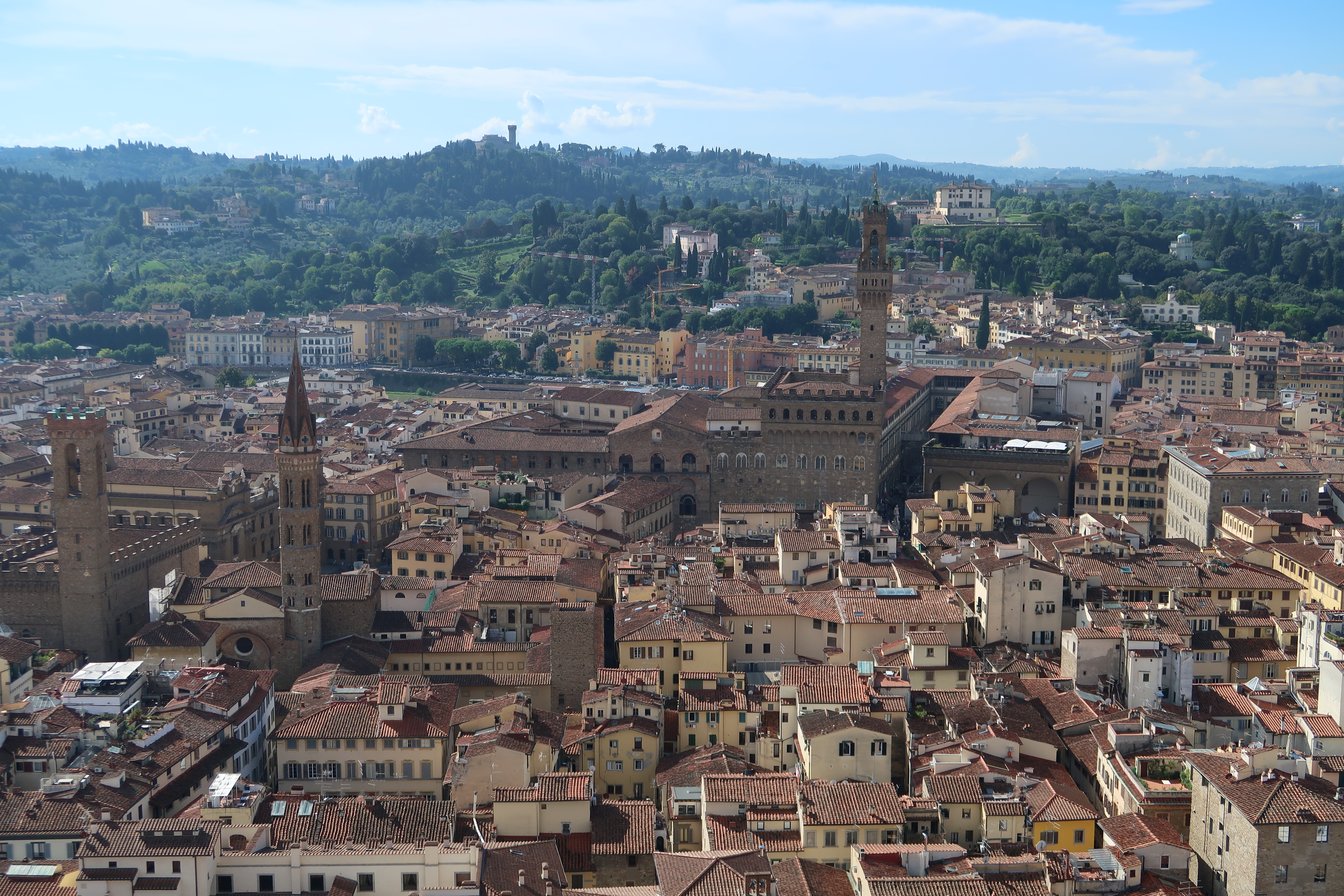
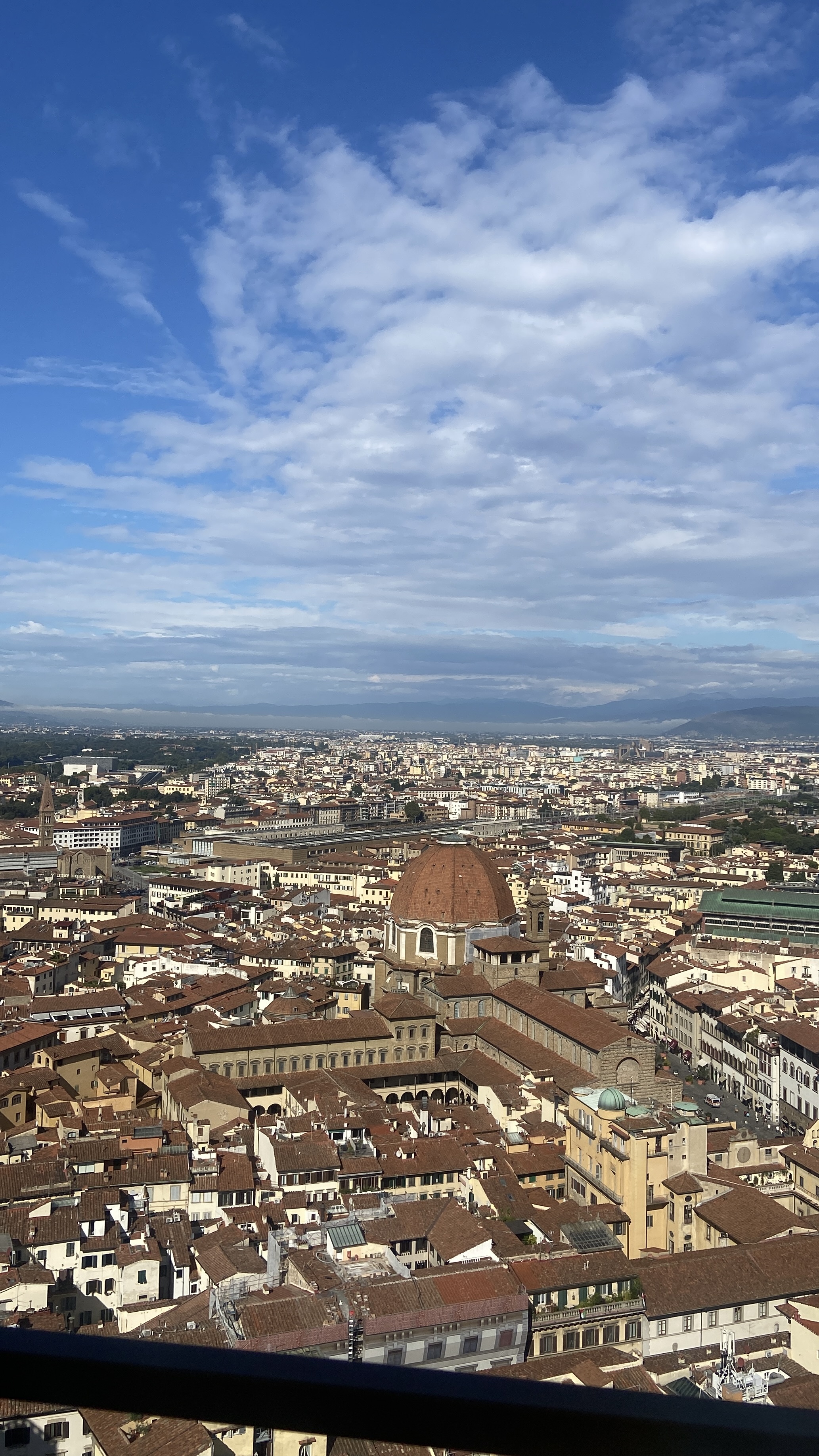
The climb to the top of the Duomo—officially the Cathedral of Santa Maria del Fiore—is one of Florence’s most unforgettable experiences. Designed by Filippo Brunelleschi in the 15th century, the dome was an engineering marvel of its time. Standing beneath it, it’s hard to believe that it was built without modern scaffolding or machinery.
But climbing it? That’s a whole different challenge. The staircase winds tightly between the inner and outer shells of the dome, and in places, the walls seem to close in around you. Halfway up, I honestly wanted to quit. My legs were burning, the air was heavy, and I thought, Maybe I don’t need to see the view after all. But then I realized—I was already halfway there, and there was no turning back. The exit is on a completely different route, so once you start, you’re committed to the climb.
It’s okay to pause and catch your breath at the few resting points (especially where you can peek inside and see the frescoes up close), but if you’re climbing with friends or family, expect to be separated—there’s only one narrow path, and people move continuously in one direction. When you finally step onto the terrace, though, every shaky breath and sore calf vanishes in an instant. The 360° view of Florence—its sunlit rooftops, the Arno below, and the rolling Tuscan hills—is breathtaking. It’s one of those moments where exhaustion turns into pure awe.




Lunch:
Nearby, we found simple, local trattorias like Trattoria da Rocco and Osteria dei Pazzi, both serving honest Tuscan fare at local prices. Mercato Centrale also offered an array of stalls for quick bites and authentic food experiences.
Evening:
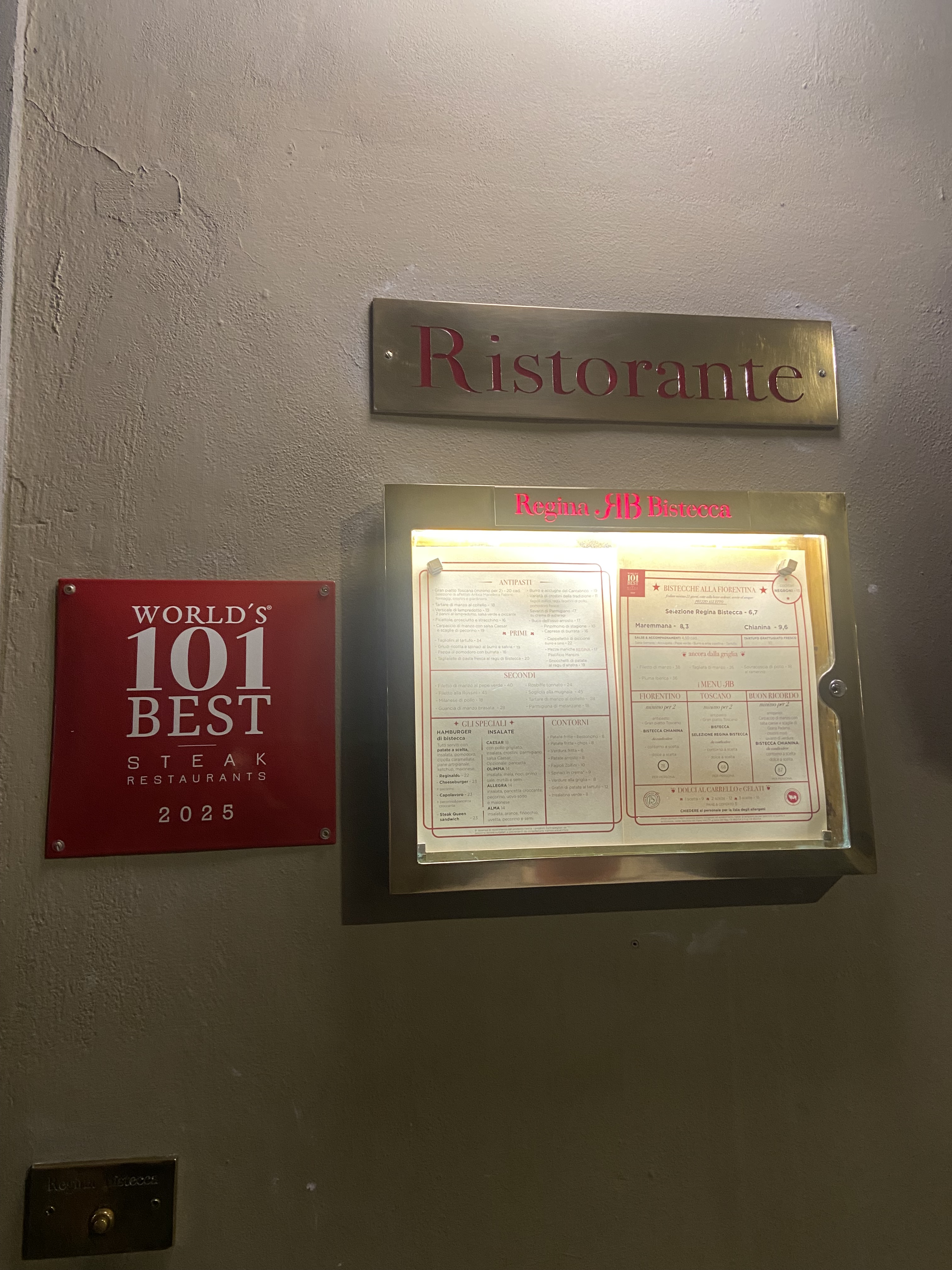
After a day immersed in art and architecture, there’s no better way to end the evening than with a meal at Regina Bistecca, one of Florence’s most celebrated steak houses. Tucked just steps away from the Duomo, this elegant restaurant occupies what was once an antiquarian bookshop—and it still carries that same timeless charm. The space is lined with shelves of old books and soft lighting that casts a warm, golden glow, making it both sophisticated and inviting.
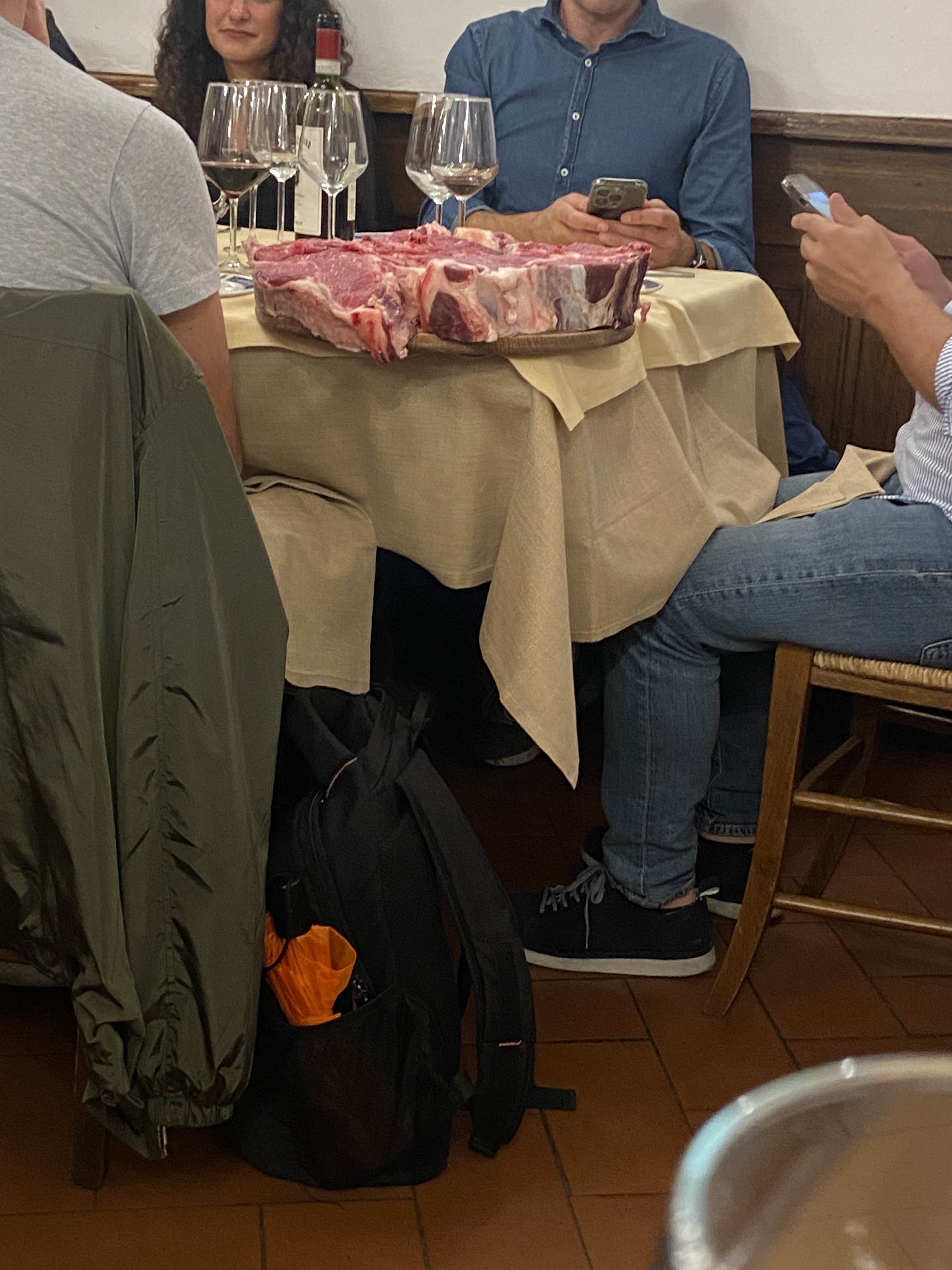
The star of the menu is, of course, the bistecca alla Fiorentina—a thick-cut T-bone steak, traditionally sourced from Chianina cattle, grilled over open flame and served rare. The exterior is perfectly seared, the inside buttery and tender, with that signature smoky depth that defines true Florentine steak. It’s meant to be shared and savored slowly, ideally alongside a glass of bold Tuscan red wine.
Beyond the steak, the menu offers refined takes on Tuscan classics—think handmade pici pasta, savory vegetable flans, and decadent desserts that end the meal on a sweet note. Every dish feels intentional and deeply rooted in the region’s culinary tradition.
What to Order:
- Bistecca alla Fiorentina (for two – the must-try signature dish)
- Artichoke flan with pecorino cream – delicate and flavorful starter
- Tuscan crostini – a nod to local rustic fare
- Pici cacio e pepe or pappardelle al ragù di cinghiale – comforting pasta options
- Tiramisu or Chocolate mousse cake – rich, classic desserts to finish strong
- A glass (or bottle) of Chianti Classico or Brunello di Montalcino – perfectly complements the steak
Tips:
- Plan time to linger. This isn’t a quick meal—it’s an experience, one best enjoyed slowly, surrounded by the quiet hum of conversation and clinking wine glasses.
- Reserve ahead of time. It’s one of Florence’s most popular dinner spots and fills up quickly, especially on weekends.
- Arrive a few minutes early to enjoy a cocktail at the bar and soak in the ambiance.
- Order the steak to share—portions are generous, and that’s how locals enjoy it.



Day 4 – Florence Off the Beaten Path
Morning:
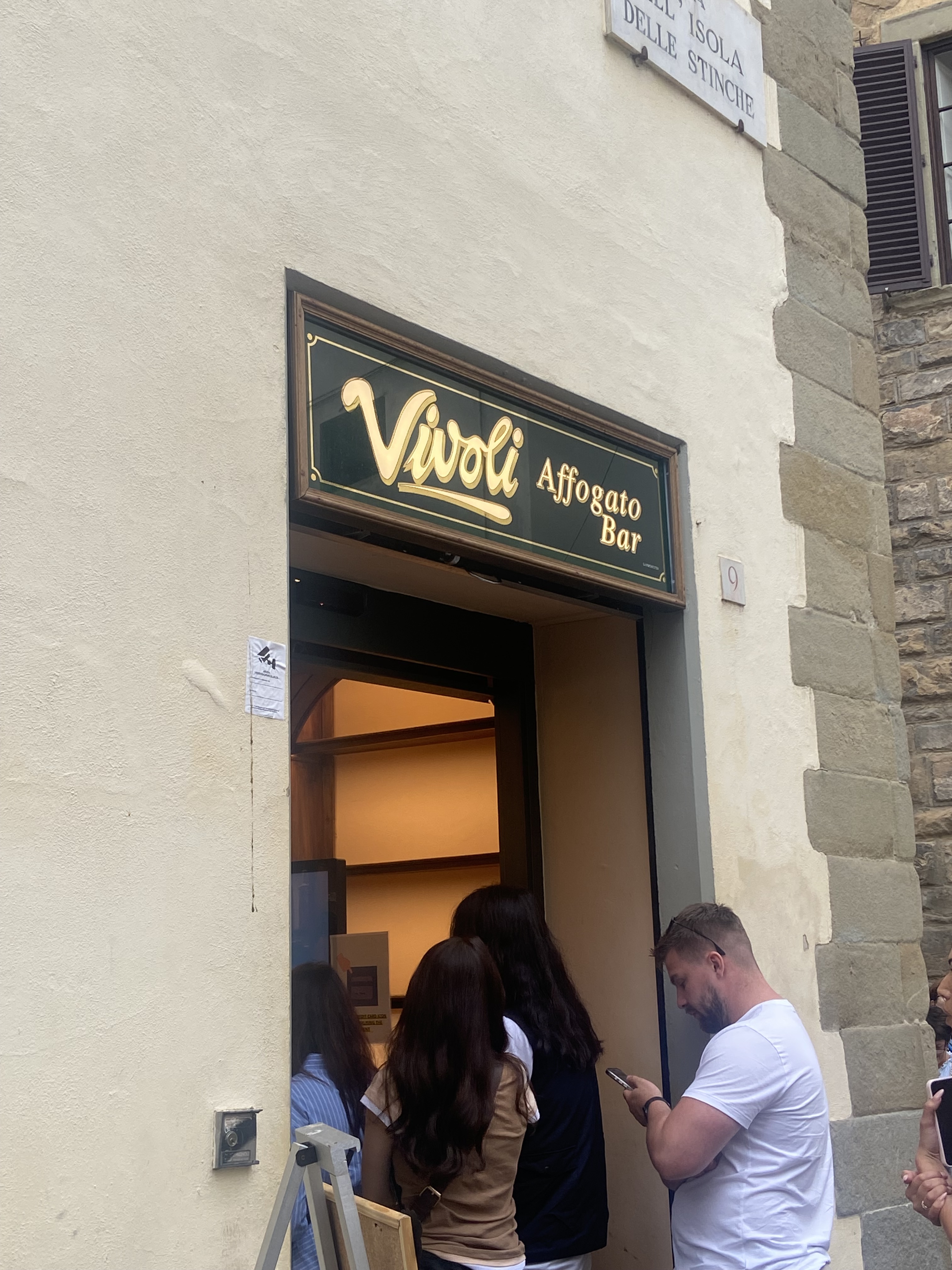
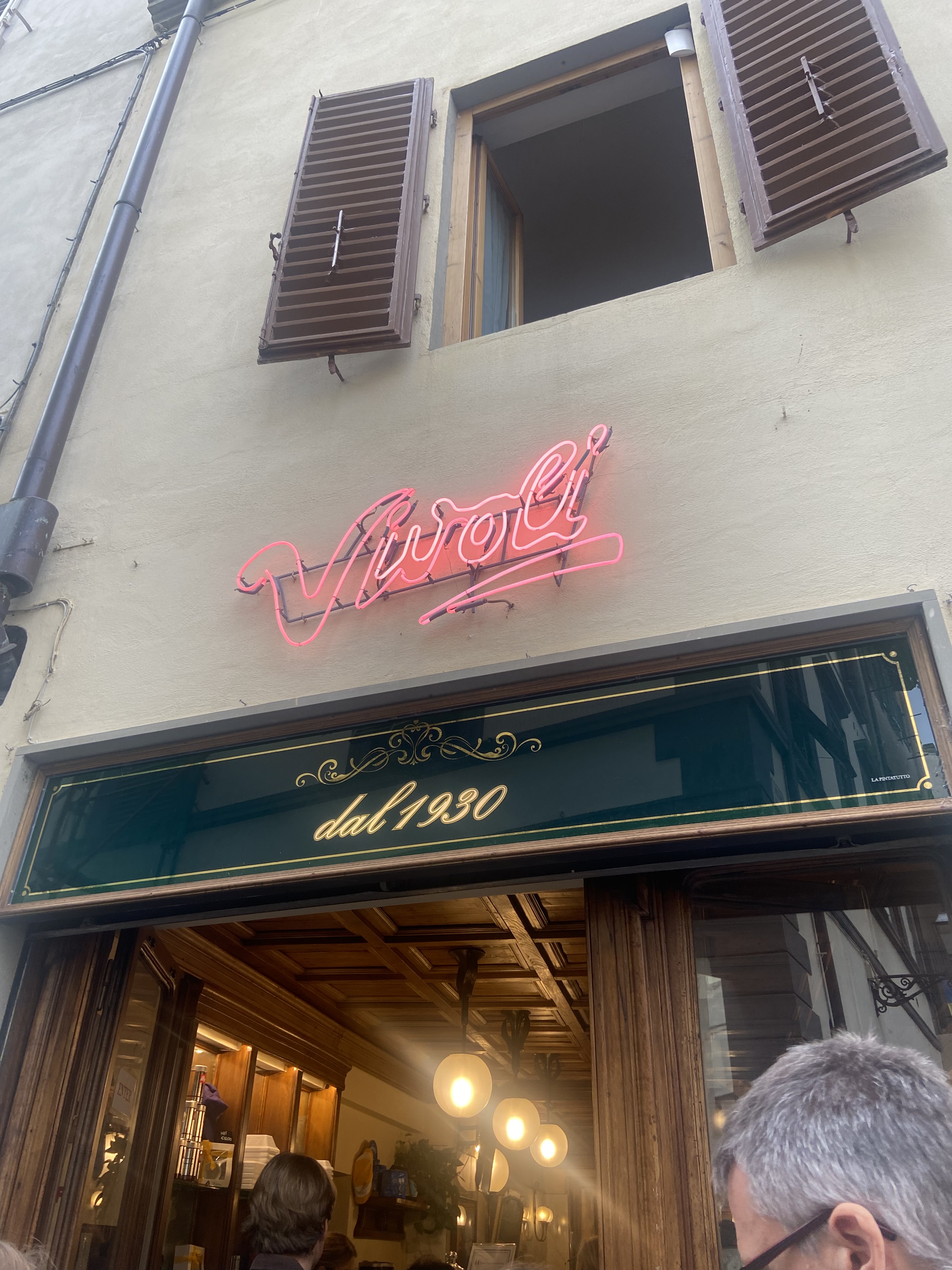
Our last day was about slowing down. Florence’s Vivoli Gelateria is legendary—one of the oldest gelaterias in Italy and still family-run since 1930. It’s famous for its rich, creamy texture and classic flavors, but the real insider move here is ordering an affogato—a scoop of gelato “drowned” in a shot of hot espresso.
Here’s the hack: if you’re just grabbing the original vanilla affogato or pistachio affogato, line up on the left side of the counter. That’s where locals queue for quick orders, skipping the longer line on the right where tourists debate between flavors. Both versions are incredible—the vanilla is silky and classic, while the pistachio is nutty, velvety, and perfectly balanced with the espresso’s bitterness.
No frills, no toppings—just pure, old-school Florentine perfection in a cup.

Late Morning:
We walked across the Arno to the Oltrarno district, where Florence’s creative spirit lives on in artisan workshops and quiet piazzas.
Lunch:
We lingered over lunch in Piazza Santo Spirito at Osteria Santo Spirito, sharing plates of truffle gnocchi and baked pasta. Other great picks in the area include Trattoria La Casalinga and Osteria del Cinghiale Bianco.
Afternoon:
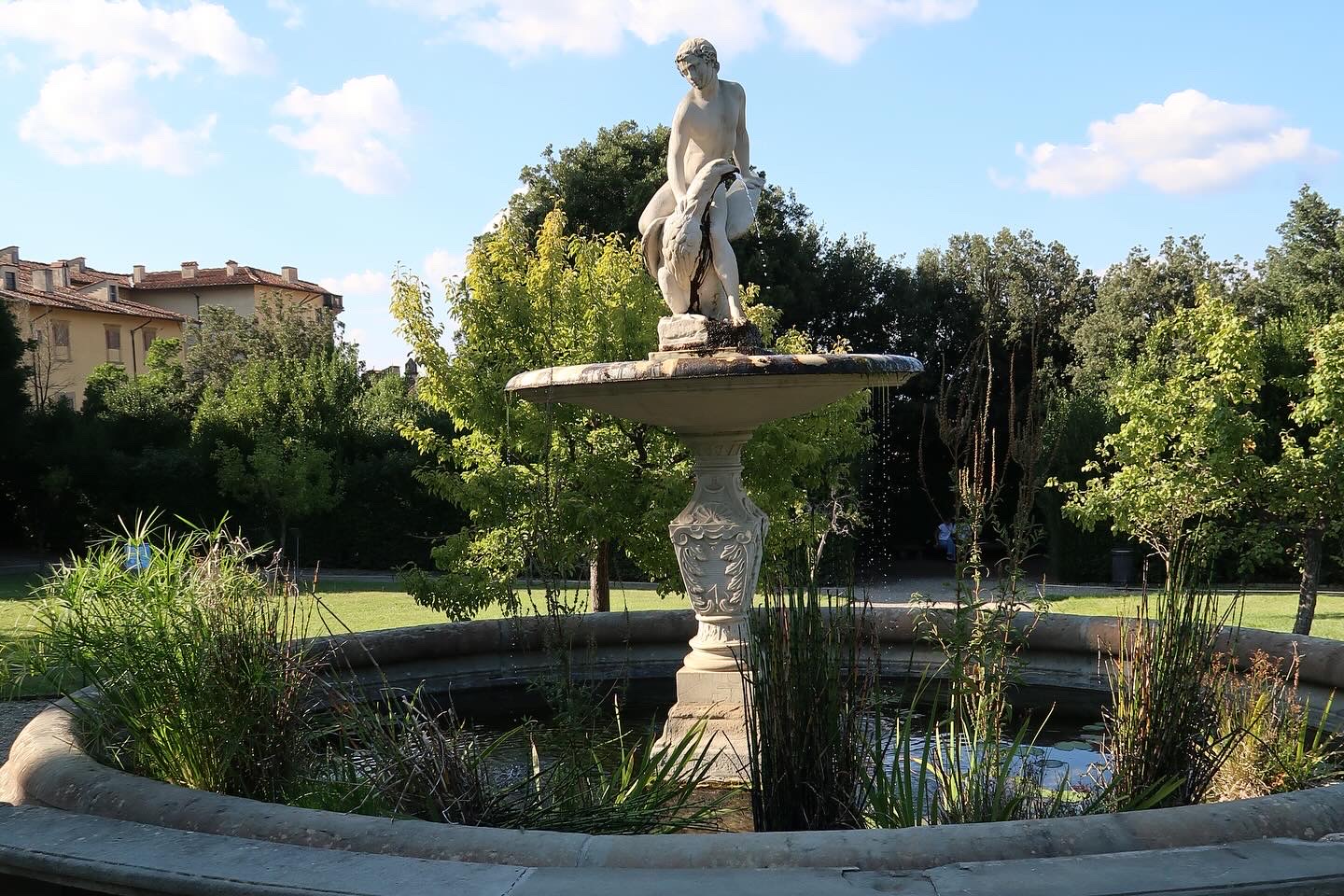
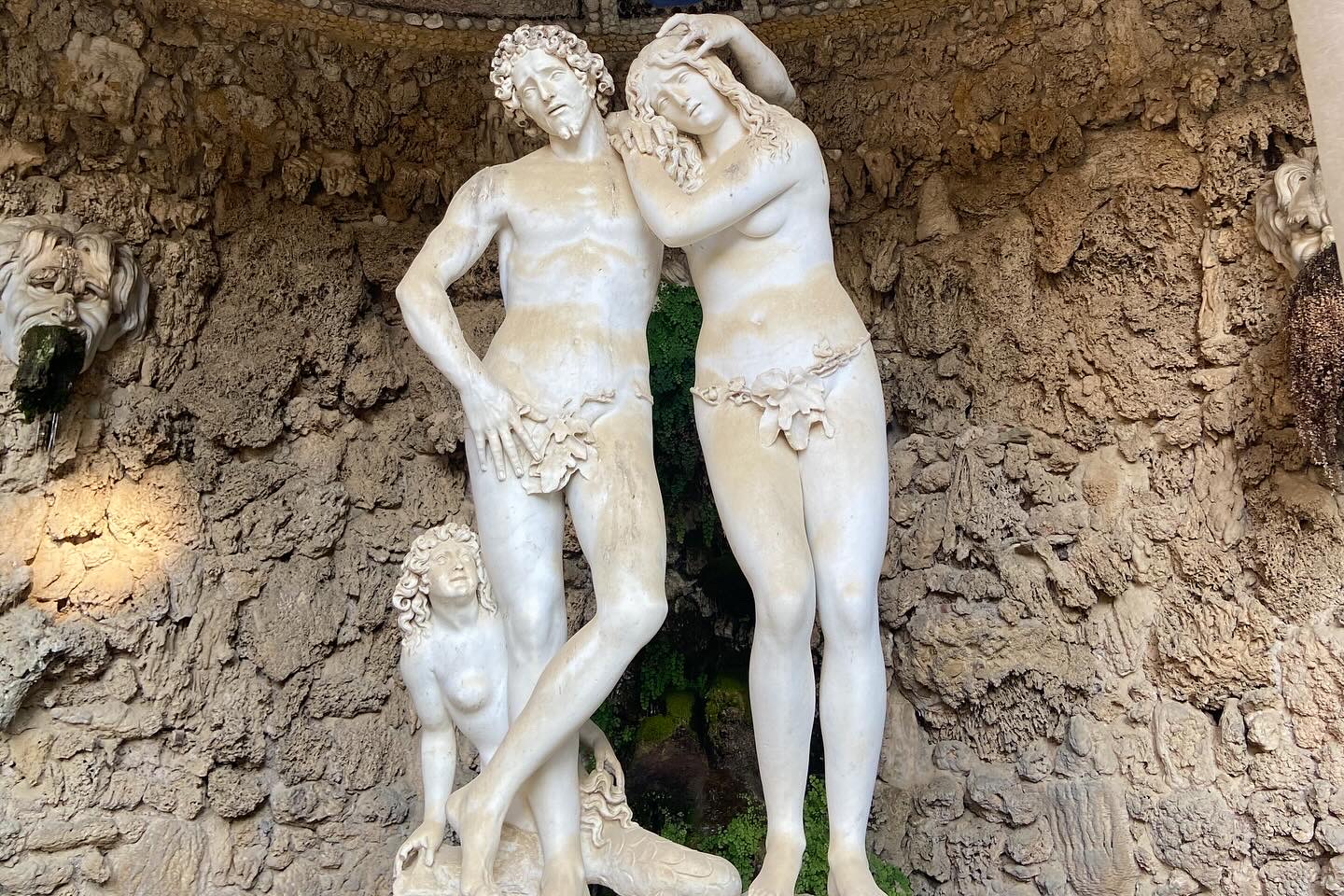
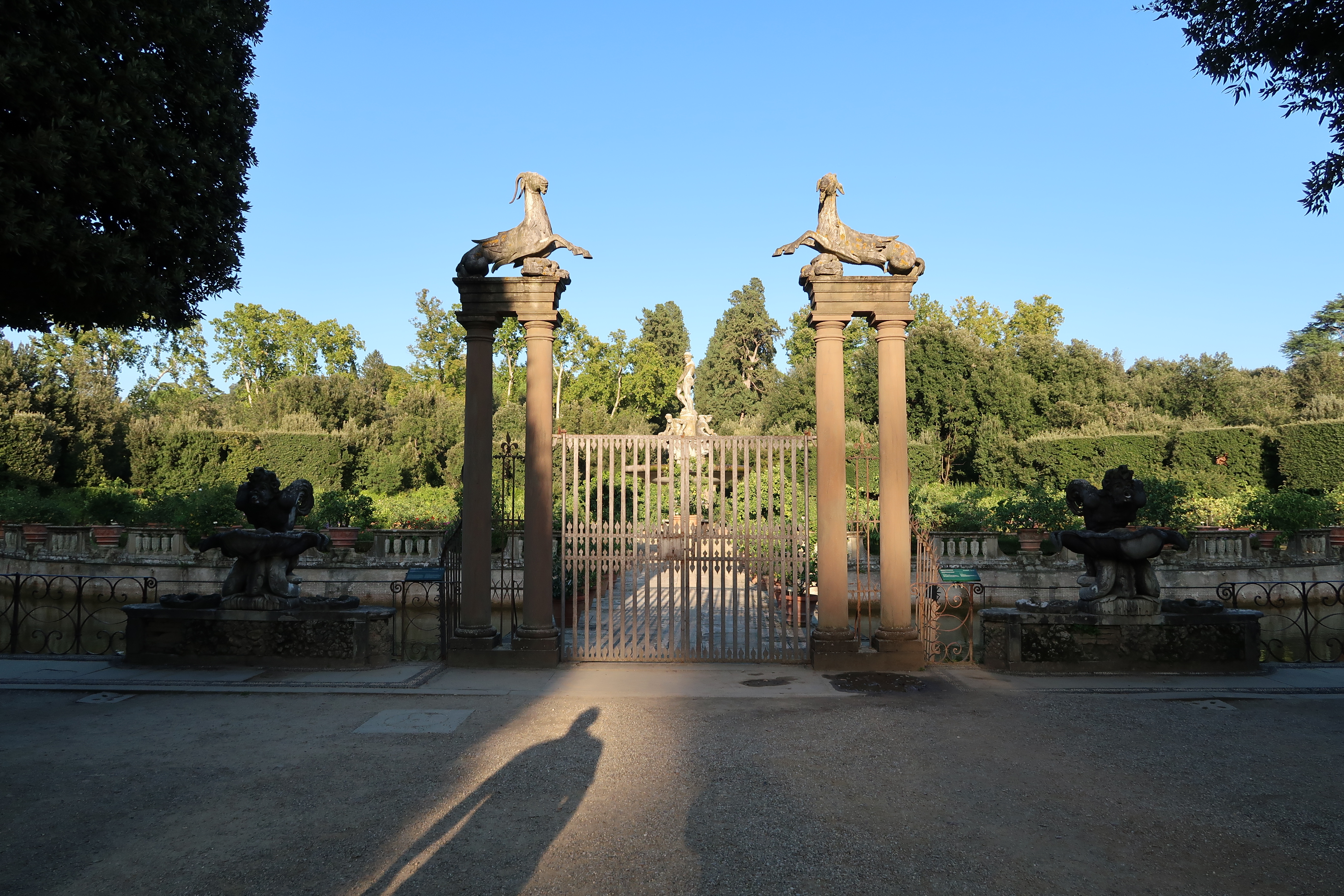
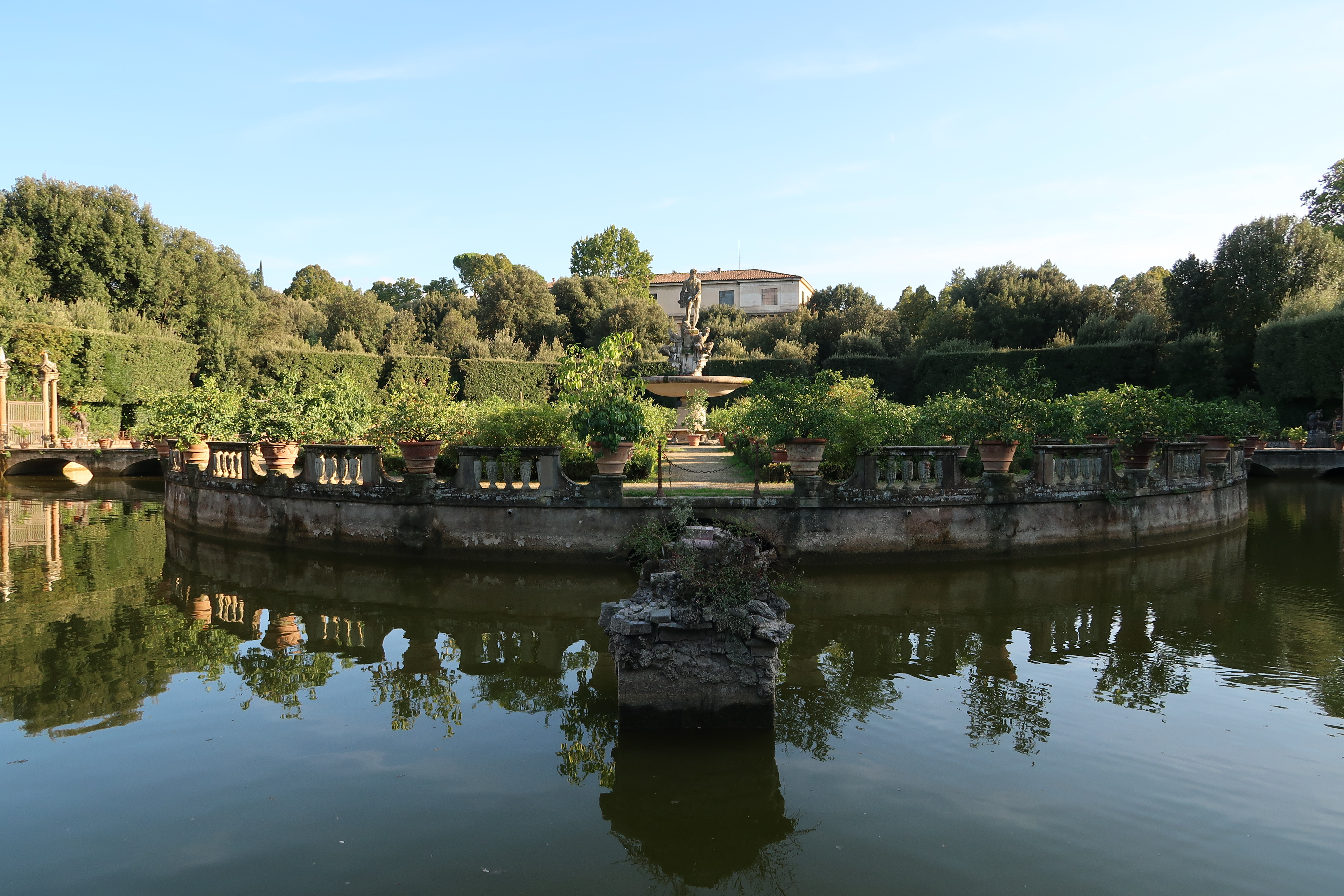
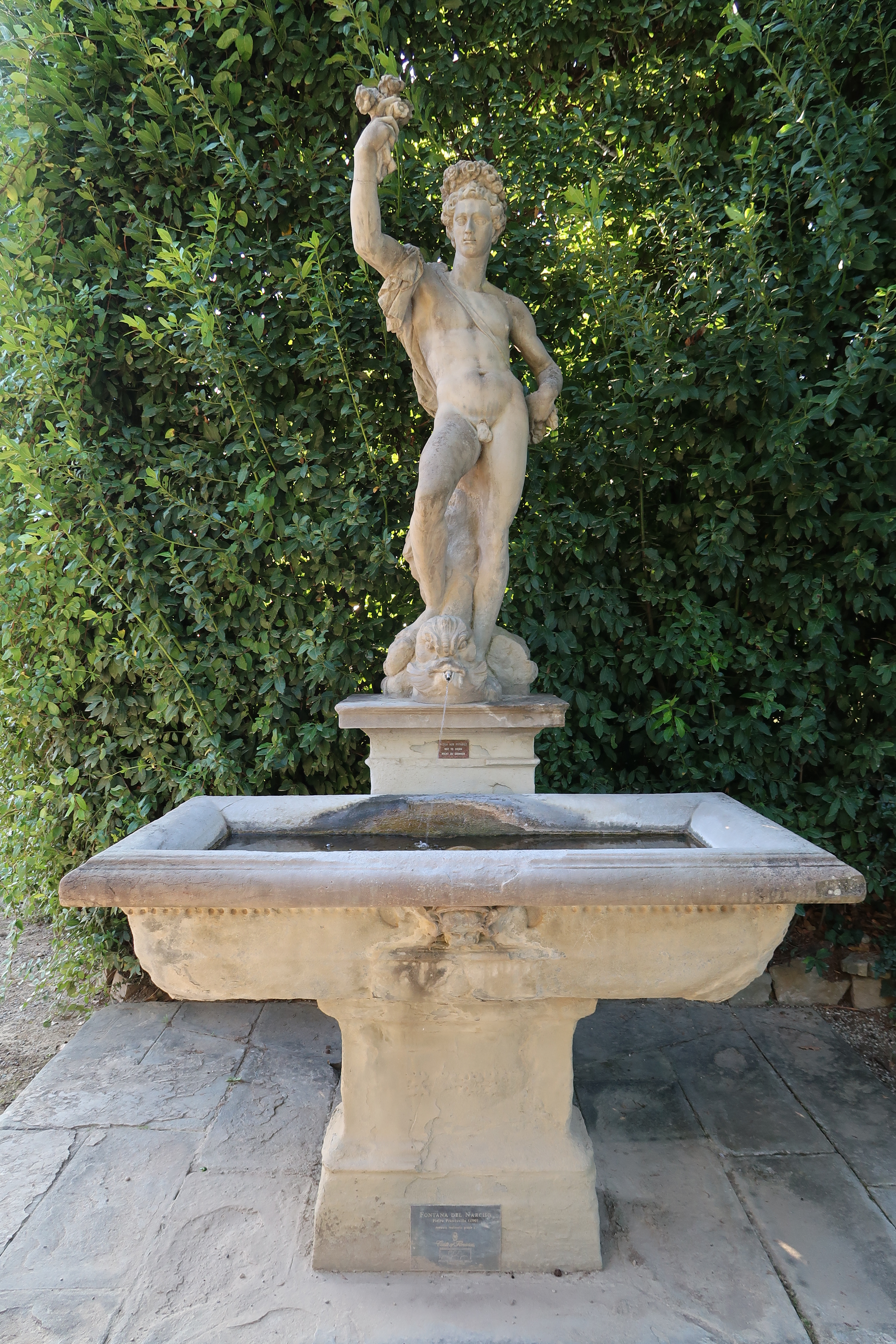
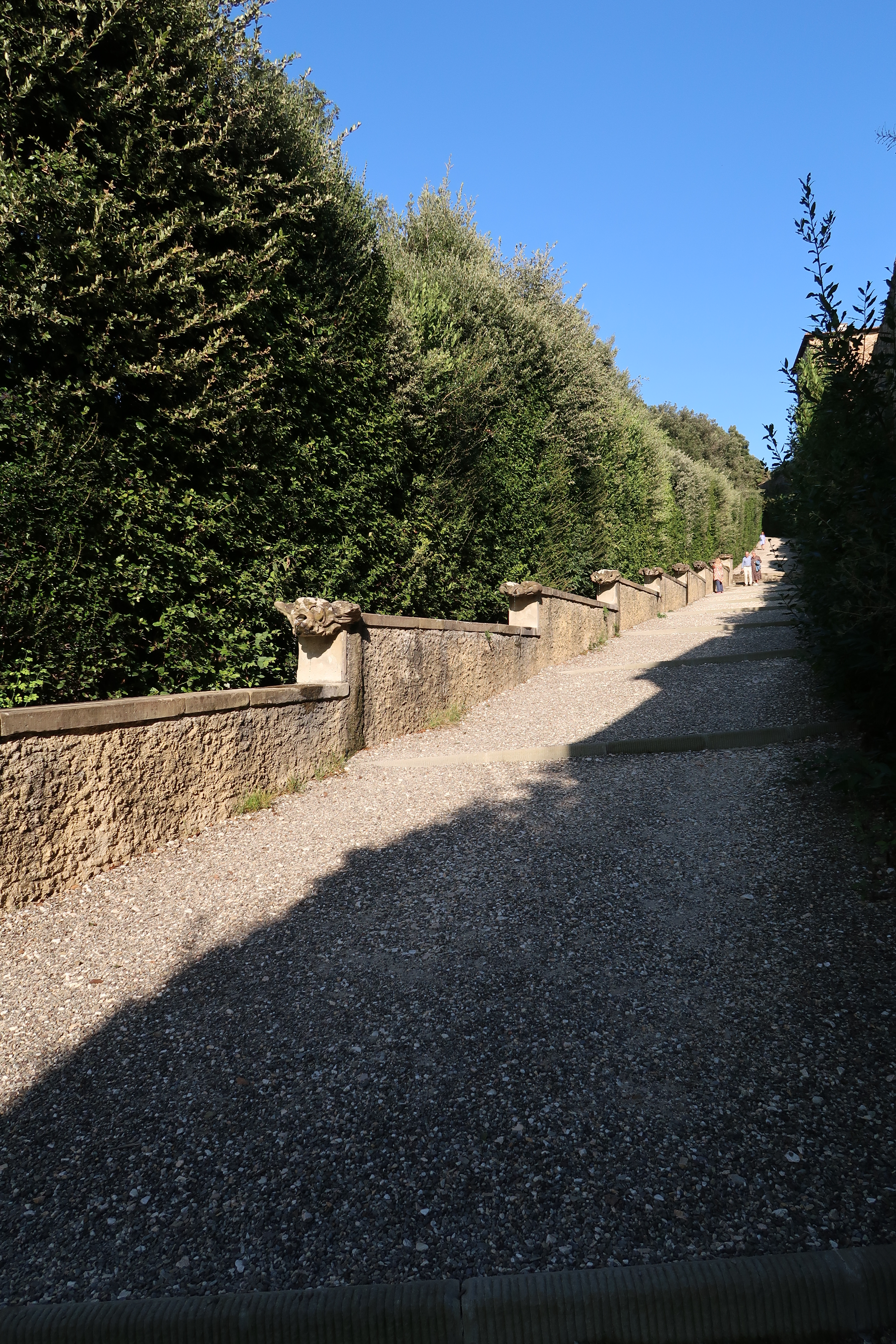
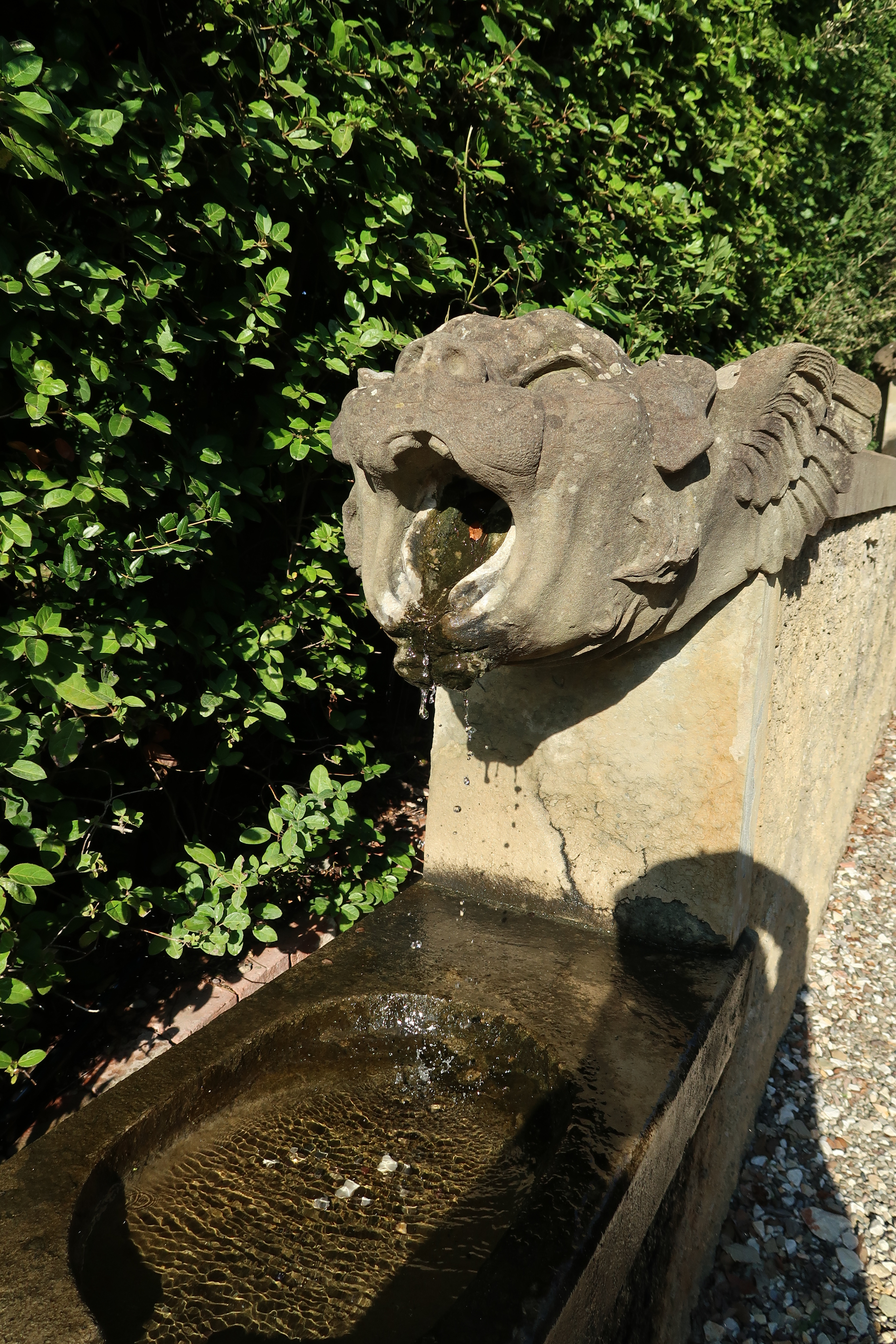
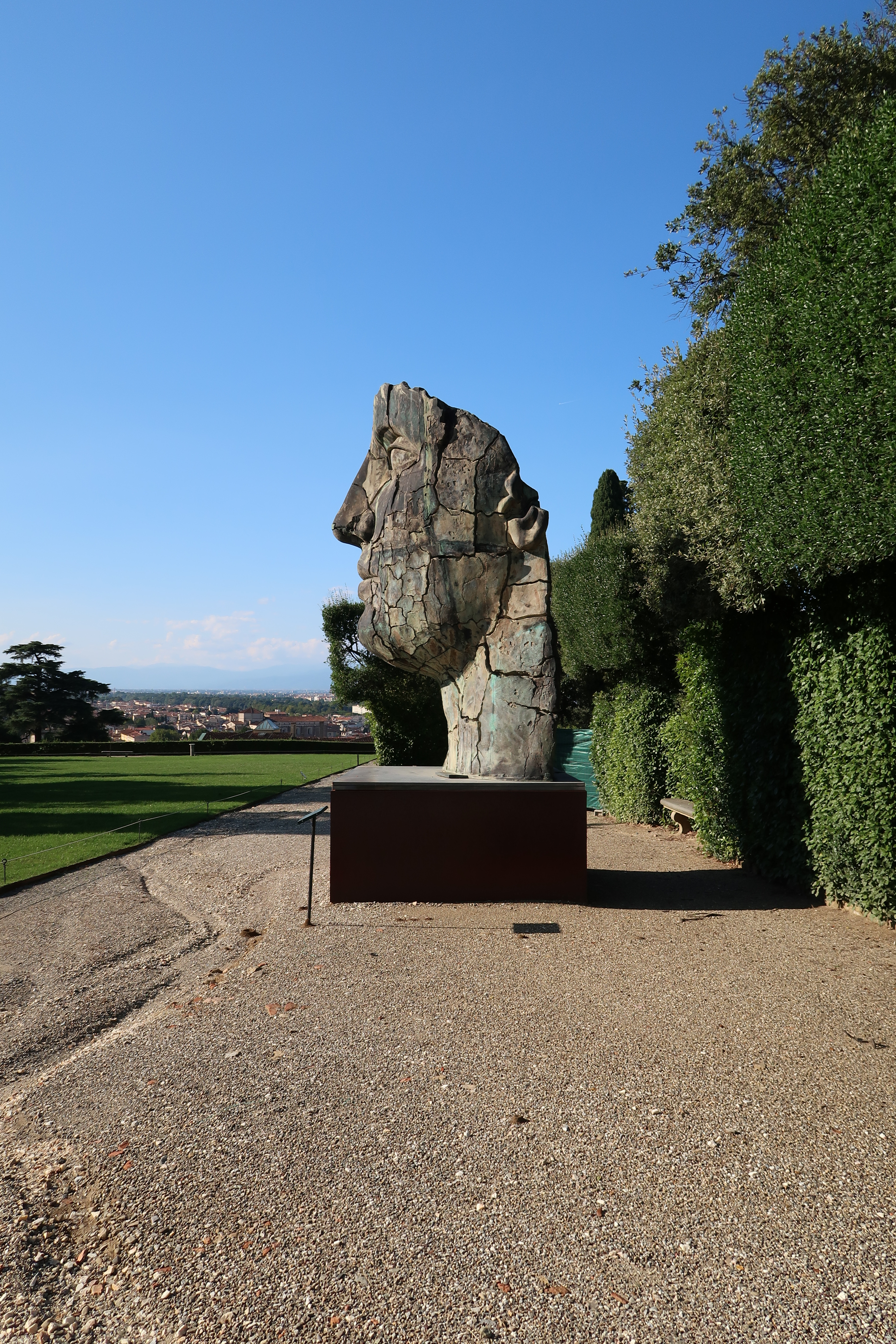
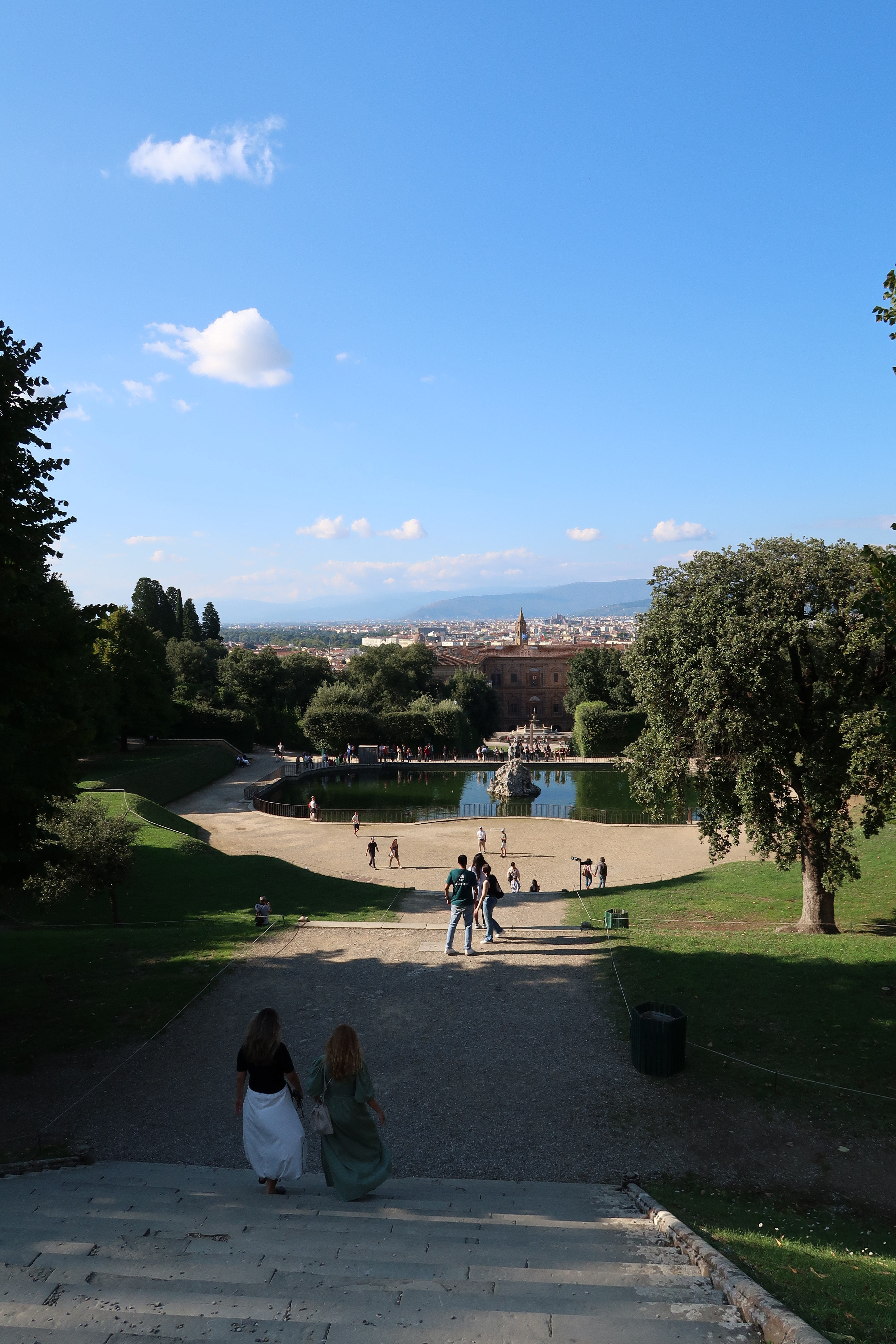
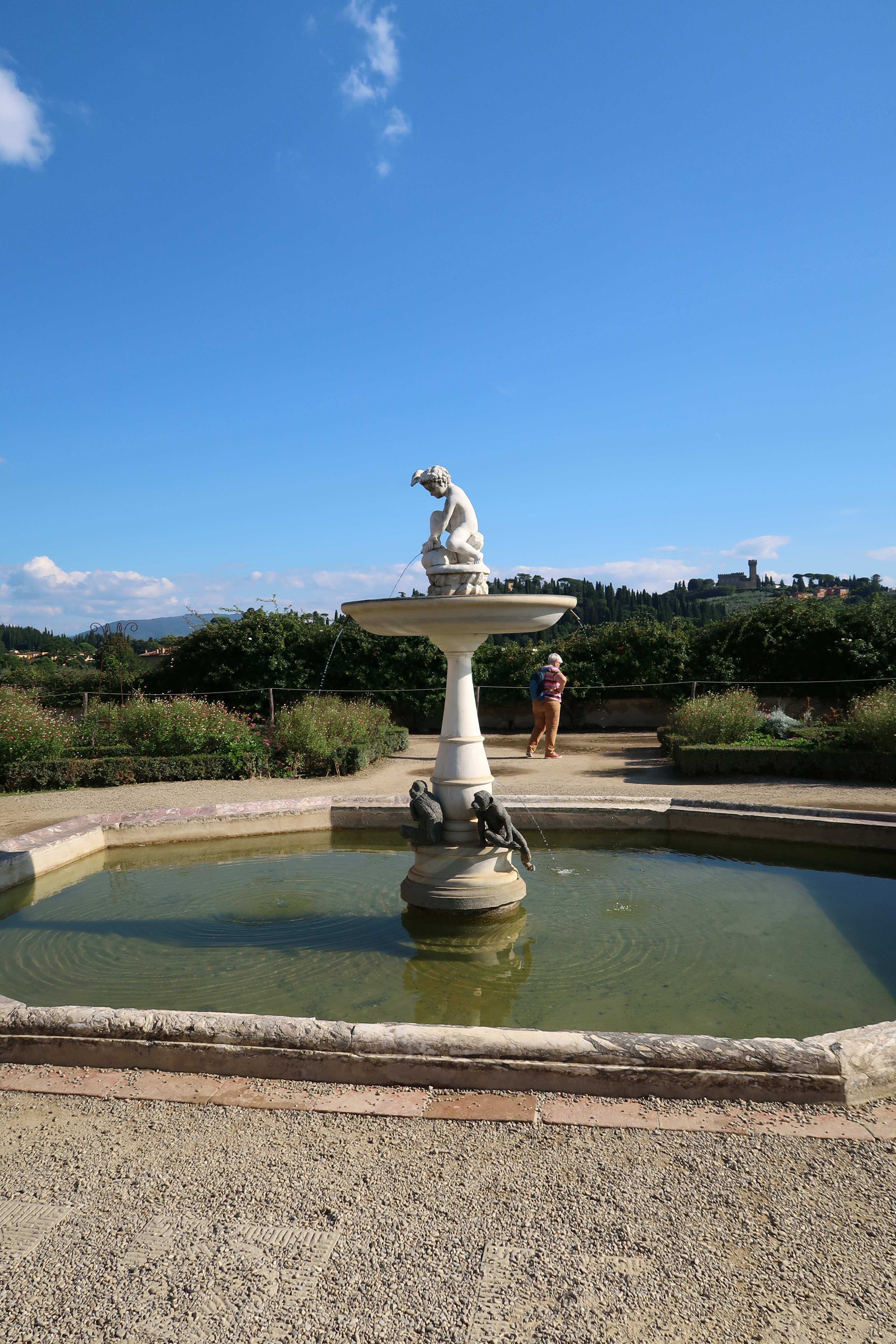
We spent the afternoon strolling the Boboli Gardens, the Medici’s grand green escape filled with sculptures and views of the city. Behind the grand Palazzo Pitti lies one of Florence’s most enchanting escapes—the Boboli Gardens (Giardino di Boboli). Spanning over 45 acres, this vast Renaissance park is both an outdoor museum and a peaceful retreat from the city’s cobblestoned chaos. Designed for the Medici family in the 16th century, Boboli set the standard for Italian garden design, later inspiring royal parks across Europe, including Versailles.
As you wander through its winding paths, you’ll quickly realize that Boboli isn’t a flat stroll—it’s a climb. The gardens rise in terraces, with steep, shaded walkways leading to fountains, statues, and sweeping panoramic views of Florence. Take your time on the inclines—there’s no rush here. Along the way, you’ll pass grottos adorned with shells and mosaics, elegant sculptures scattered among manicured hedges, and wide lawns framed by cypress trees.
At the top, your effort pays off with a breathtaking vista: Florence’s terracotta rooftops and the Duomo’s dome rising against the Tuscan hills. Pack a bottle of water, wear comfortable shoes, and don’t be afraid to pause and catch your breath—it’s all part of the experience.
The Boboli Gardens aren’t just beautiful—they’re living history. Every turn tells a story of Medici grandeur, artistic ambition, and the enduring Florentine love of blending nature and art.











Evening:
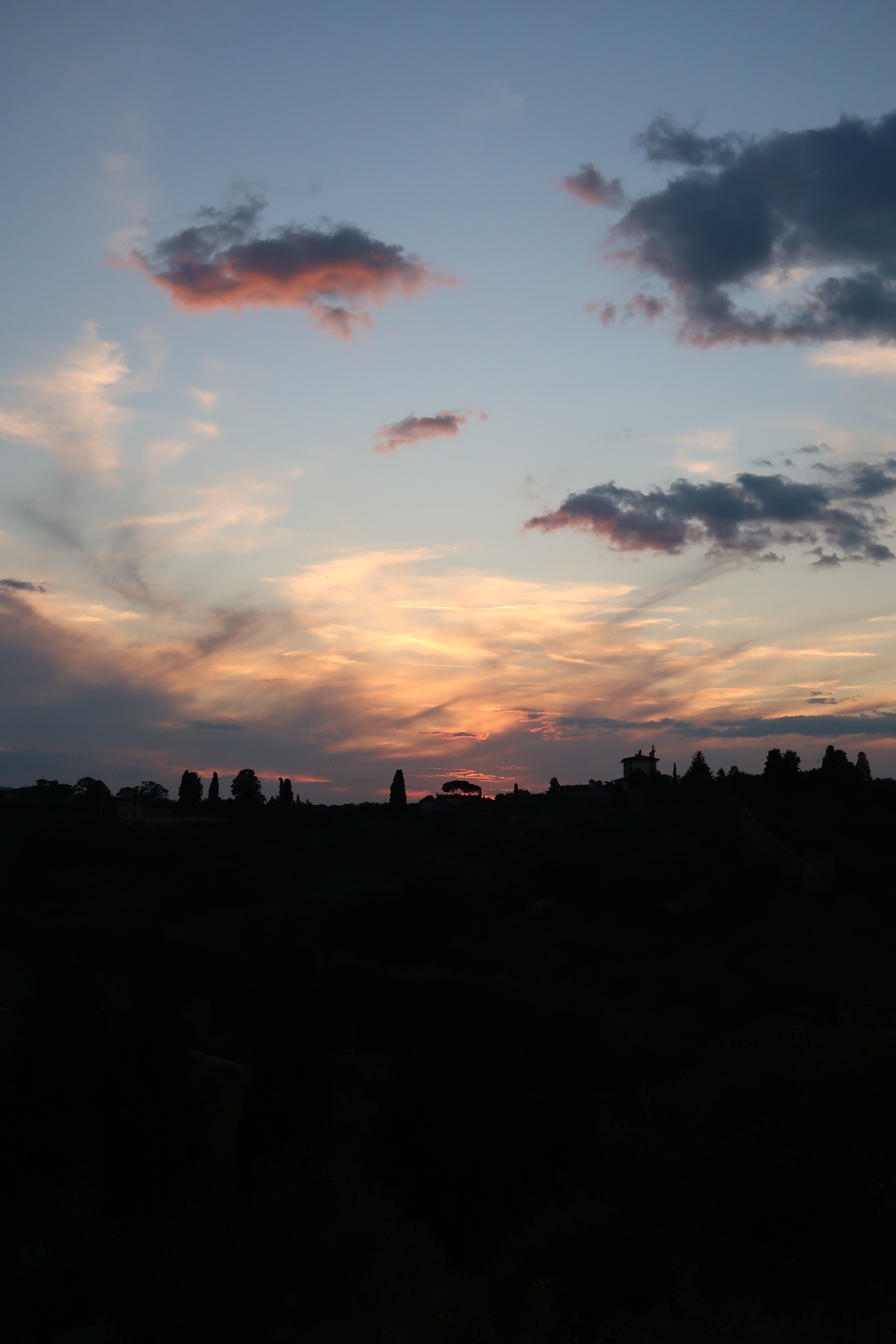
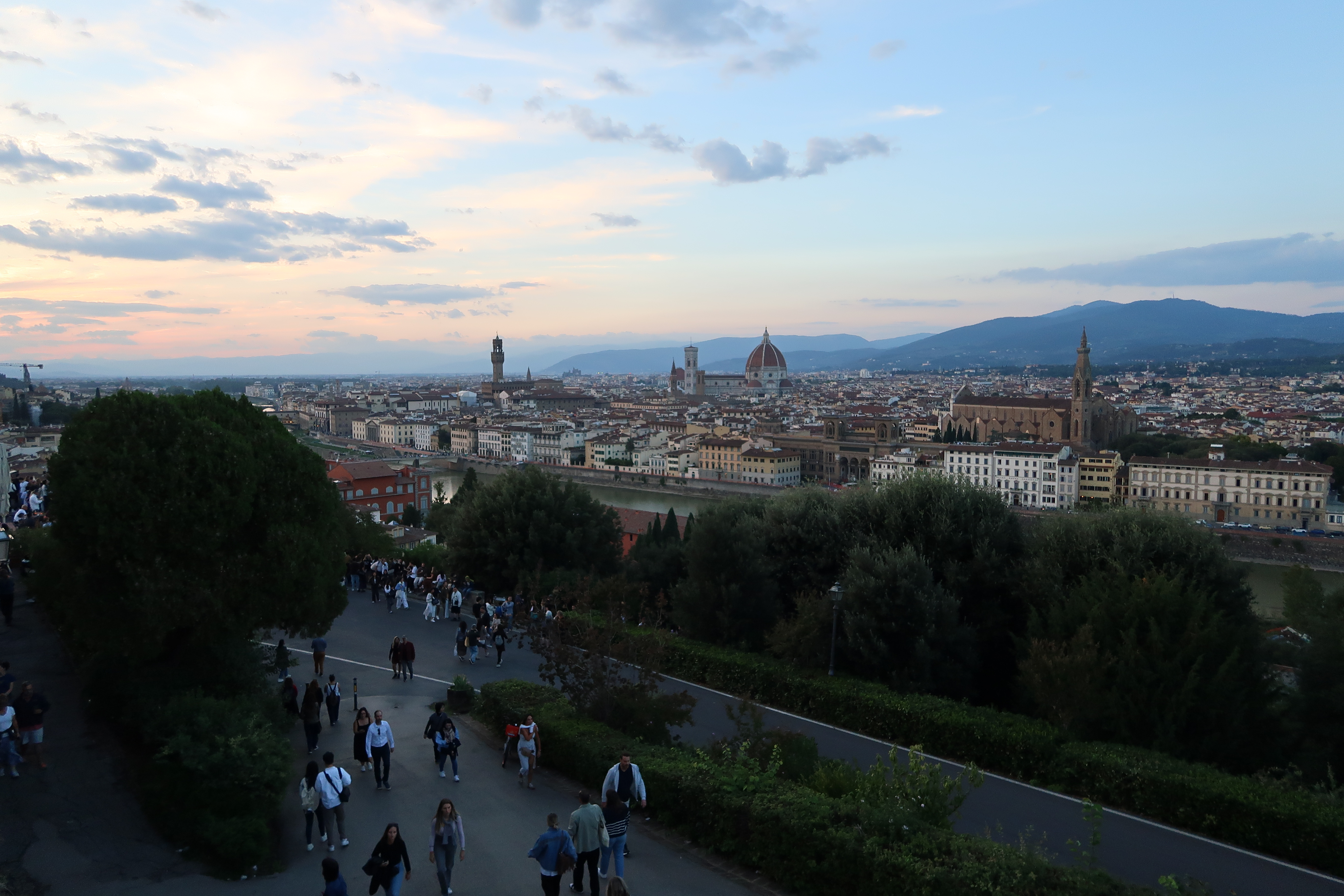
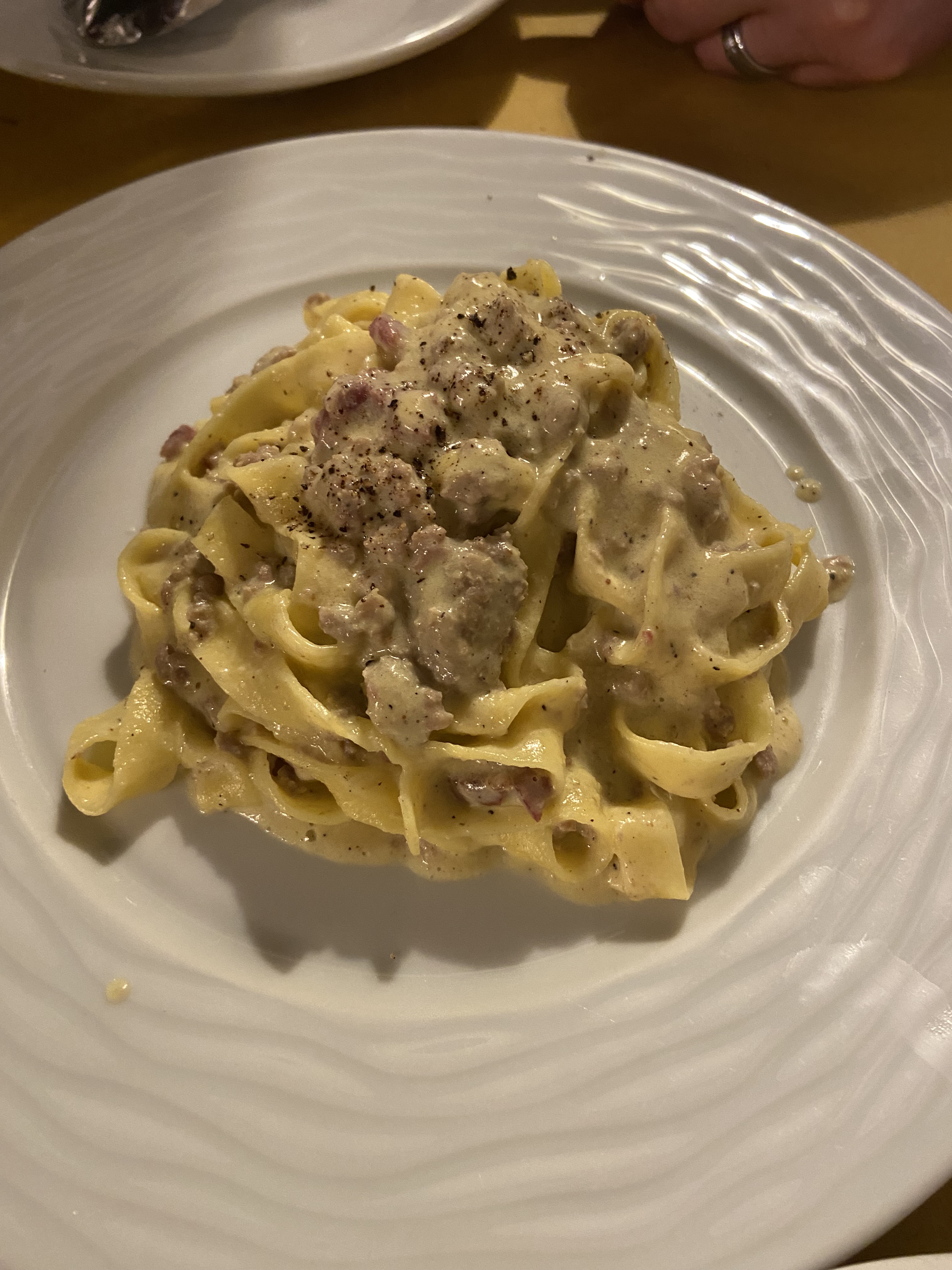
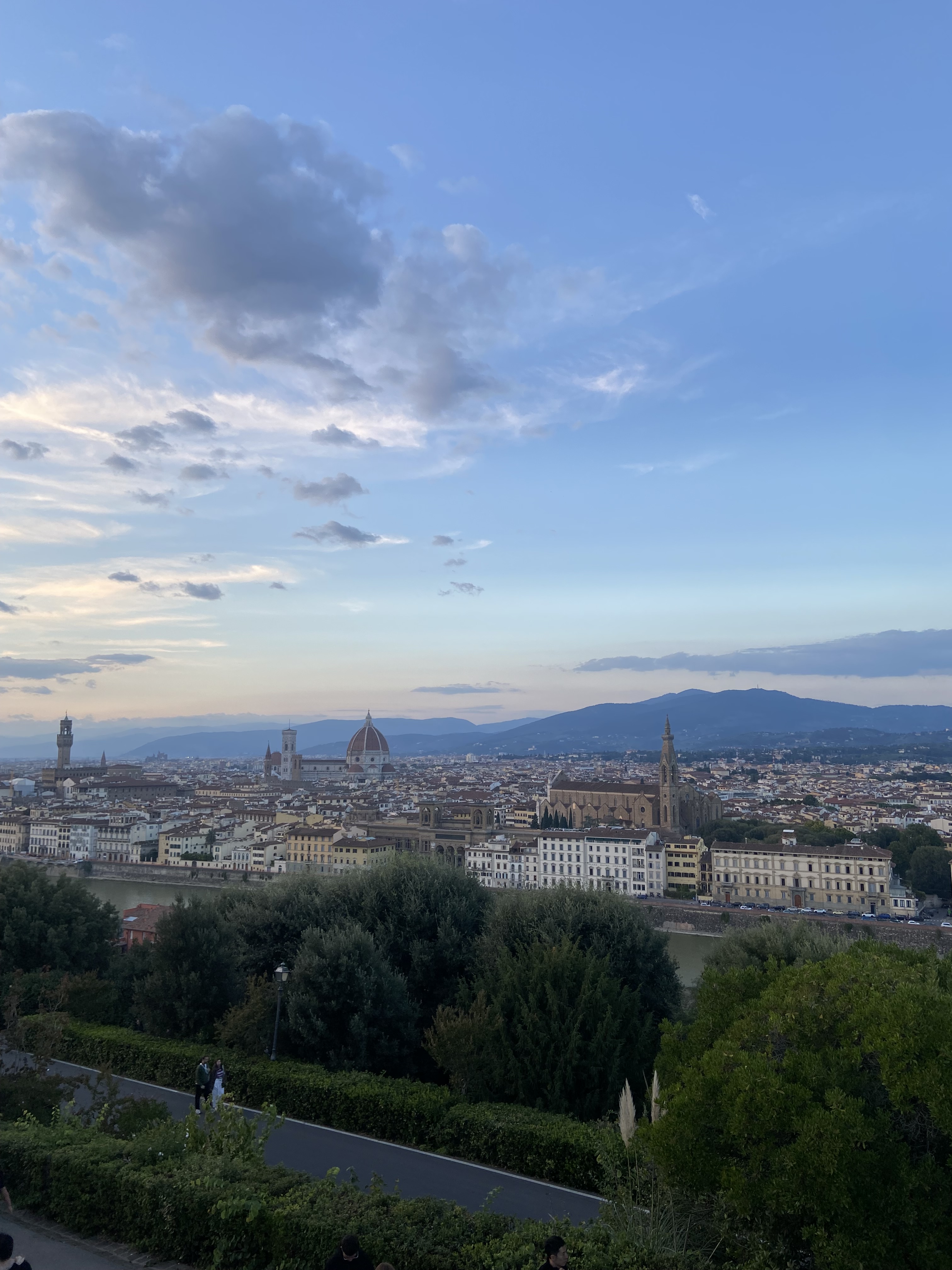
For our final Florentine sunset, we climbed to Piazzale Michelangelo and watched the city glow beneath the Tuscan sky before dinner at Hosteria del Bricco—a cozy spot on Via di San Niccolò known for its rustic pastas and friendly staff.



Florence rewarded us with timeless art, warm hospitality, and meals that linger in memory. Staying
 karenabiogmiller.com