

If you’re anything like me, walking into a TJ Maxx gives you a little thrill — it’s like a treasure hunt where you never know what designer label or on-trend piece you’ll find at a major discount. But did you know there’s a secret way to decode the tags and figure out exactly what kind of deal you’re getting?
Let’s break it down so you can shop smarter — and not just cheaper — next time you’re browsing the racks.
The Price Tag Code You Should Be Checking
Every price tag at TJ Maxx has a number at the end of the product code (usually printed in small font near the price). That number tells you a lot about the origin of the item.
Here’s what the numbers really mean:
Ends in 2 — The Real Deal

If the number at the end of the tag is a 2, this is what you want to see!
What it means:
The item is a true designer or brand-name product that was originally sold elsewhere — think Nordstrom, Bloomingdale’s, or the brand’s own store — and is now being sold at TJ Maxx at a discount.
Why it’s great:
You’re getting the same quality and style as you would from the original retailer, just for less.
Ends in 1 — Made for TJ Maxx
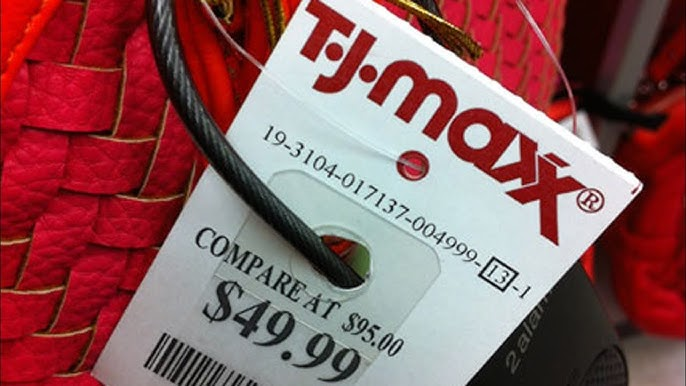
If the number ends in a 1, proceed with a little caution.
What it means:
The item was manufactured specifically for TJ Maxx (or its sister stores like Marshalls or HomeGoods). That doesn’t always mean poor quality, but it may not be the exact same product you’d find in a high-end store.
Why it matters:
Brands sometimes produce budget-friendly lines just for off-price retailers. The style might look similar to their main collection, but the materials or details may be different (think different stitching, fabric blends, or fewer design elements).
Tip:
Compare it to the original version online if you’re unsure. Or, if you love it and the price is right, go for it!
Ends in 7 — Discontinued Treasure
When you see a tag ending in a 7, you might be looking at a hidden gem.
What it means:
The item was discontinued — either it’s an older season’s product or something the brand stopped producing.
Why it’s interesting:
You could score a sought-after piece that’s no longer available elsewhere. It’s not necessarily old stock — just stock that’s been phased out.
Great for:
Classic styles, seasonal favorites, or limited edition items.
Bonus Tip: Watch for the Red Tags
While you’re checking those numbers, also keep an eye out for red or yellow clearance tags:
- Red tags = clearance markdowns.
- Yellow tags = final markdowns (often the lowest price you’ll see before it disappears from shelves).
TJ Maxx can be a gold mine — but knowing how to decode the price tags makes it so much easier to separate the real designer steals from the made-for-outlet deals.
So next time you’re eyeing that “too good to be true” price on a designer bag or trendy jacket, flip the tag over and check the number at the end. With this little shopping hack in your back pocket, you’re officially TJ Maxx-savvy. Happy hunting, Maxxinistas!
 karenabiogmiller.com
I bought a sweater that has the no. 9 on it. What does it mean?
LikeLike
I also bought a sweater with a 9 on it. What does that mean?
LikeLike