
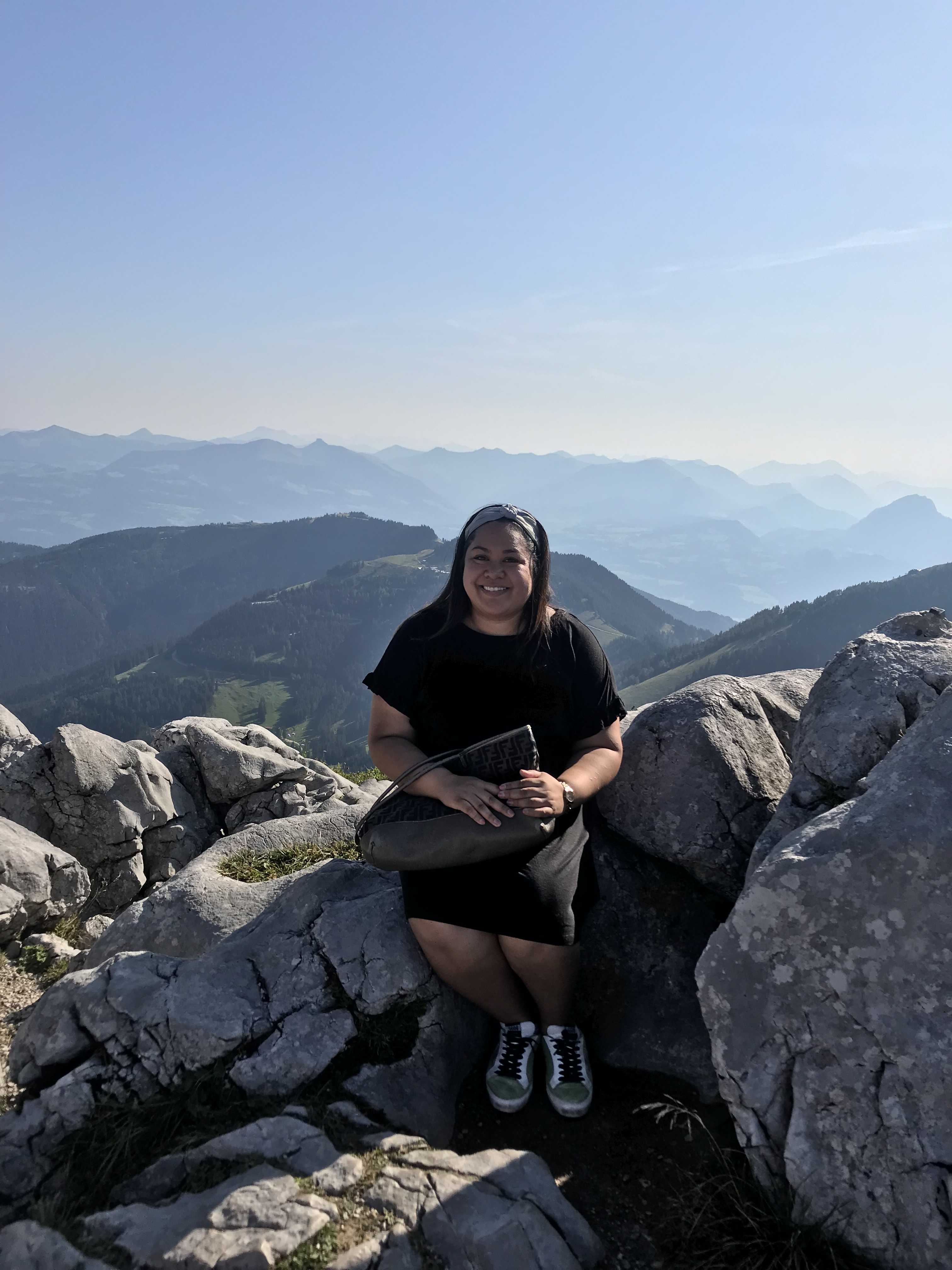
Traveling through Central Europe is more than just ticking cities off a list — it’s a journey through centuries of empire, revolution, resilience, and reinvention. A few years ago, I explored Munich, Prague, Bratislava, Budapest, Vienna, and Salzburg, each city a time capsule that brings Europe’s complex and captivating history to life.
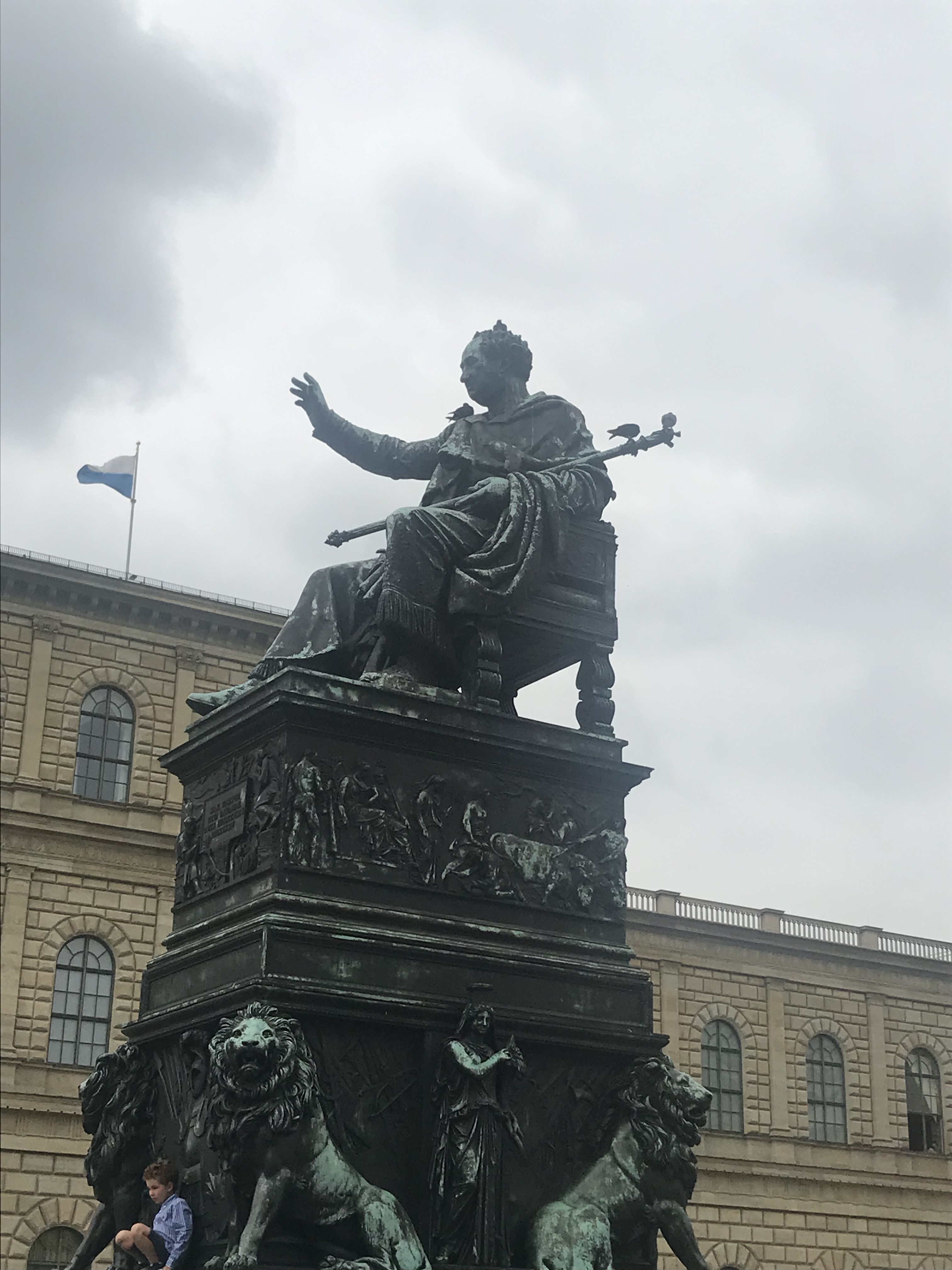
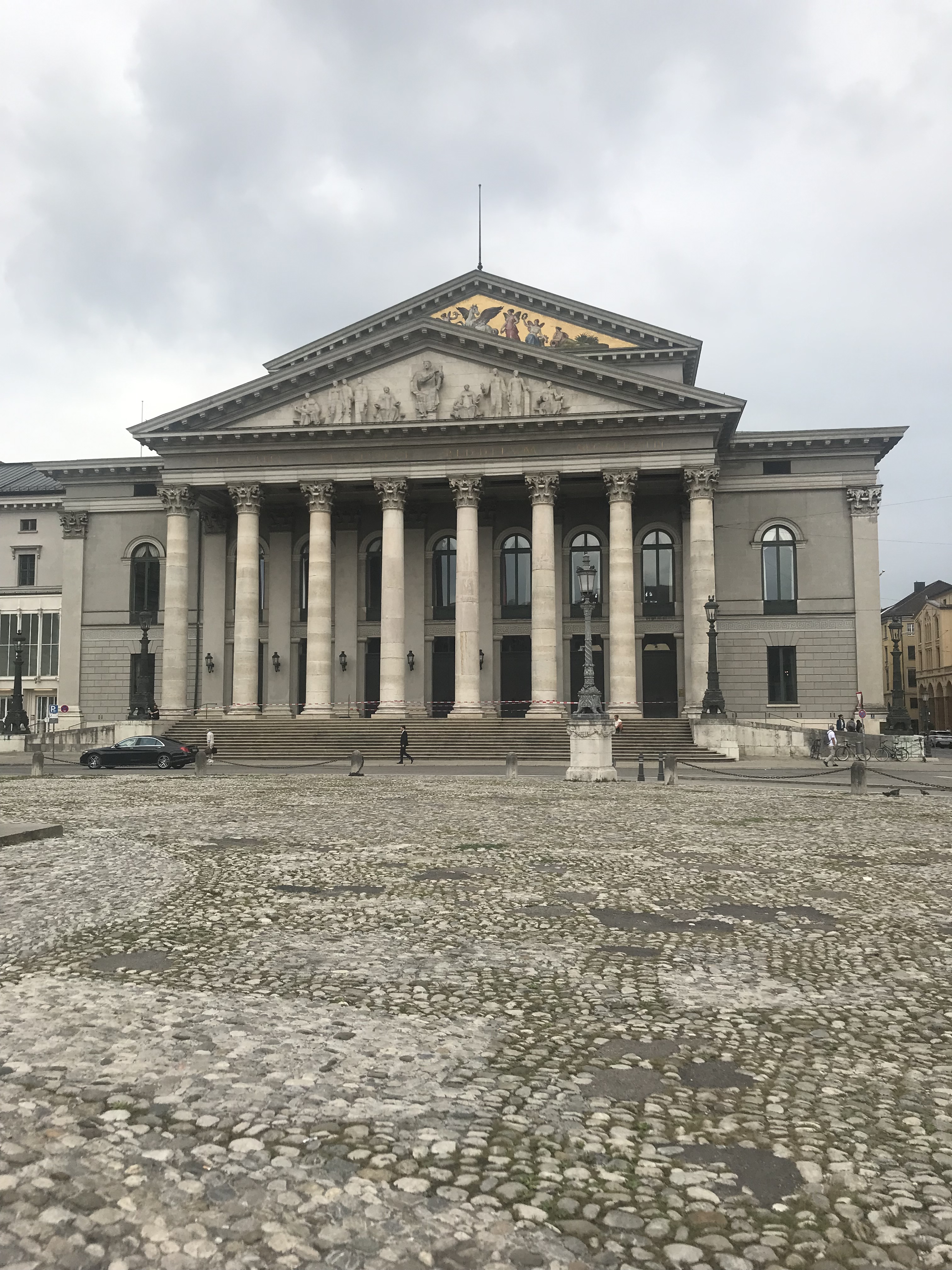
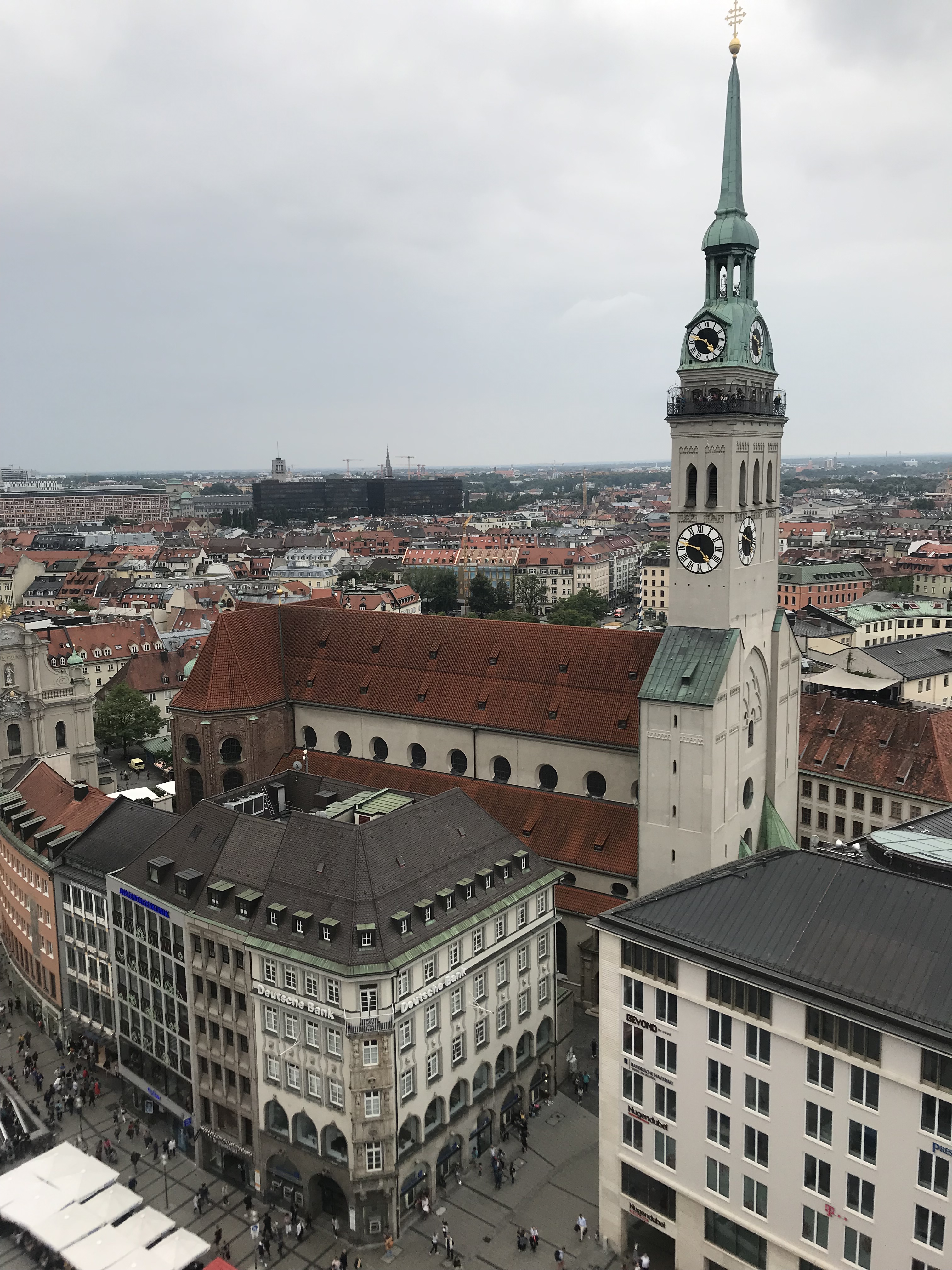
First stop, Munich, Germany: Bavaria’s Cultural Capital
Founded in the 12th century by Benedictine monks (hence the name München, meaning “Monks”), Munich rose to power as the capital of the Kingdom of Bavaria in 1806.
Historical Highlights:
- Marienplatz has been the city’s central square since 1158, where medieval markets, tournaments, and now tourist snapshots take place.
- The city was heavily bombed during World War II, but it was meticulously reconstructed, preserving its old-world charm.
- Munich played a key role in 20th-century German history — from the Beer Hall Putsch (Hitler’s failed coup in 1923) to being a center of Nazi propaganda, and later a symbol of Germany’s post-war recovery.
Today, Munich balances tradition and innovation — where centuries-old beer halls stand next to tech hubs and BMW factories.
Munich is where beer is practically a religion and hearty Bavarian cuisine is served with soul. Munich’s food is as bold and welcoming as its people — and yes, the portions are enormous.
Must-try food & drink:
- Weisswurst – A traditional white sausage, typically eaten before noon with sweet mustard and a pretzel.
- Schweinshaxe – A crispy roasted pork knuckle, usually served with potato dumplings and gravy.
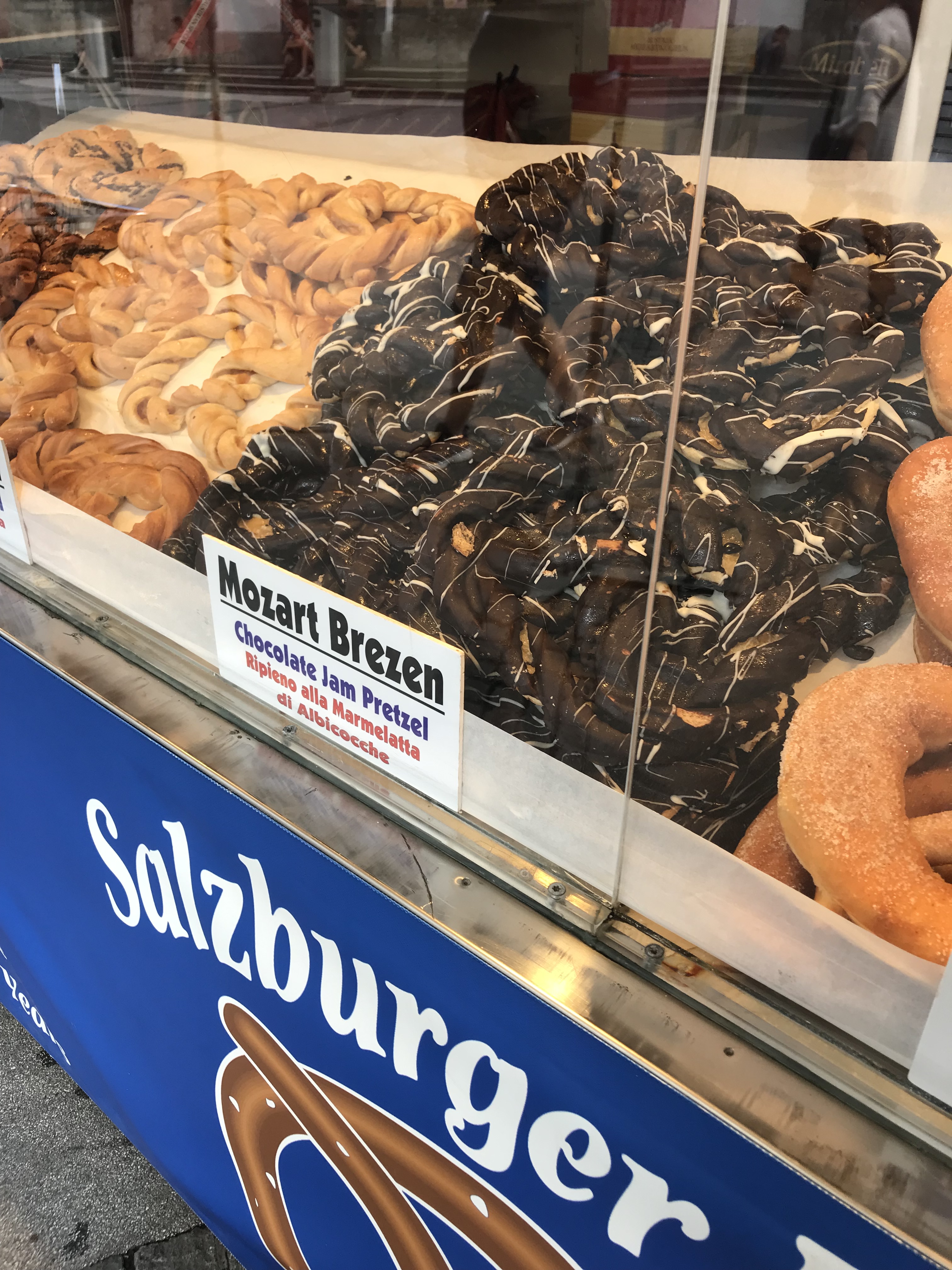
- Brezn (Pretzel) – Soft and salty, perfect with beer or on the go.
- Weissbier – A cloudy wheat beer, best enjoyed in a beer garden like Hofbräuhaus or the Augustiner Keller.


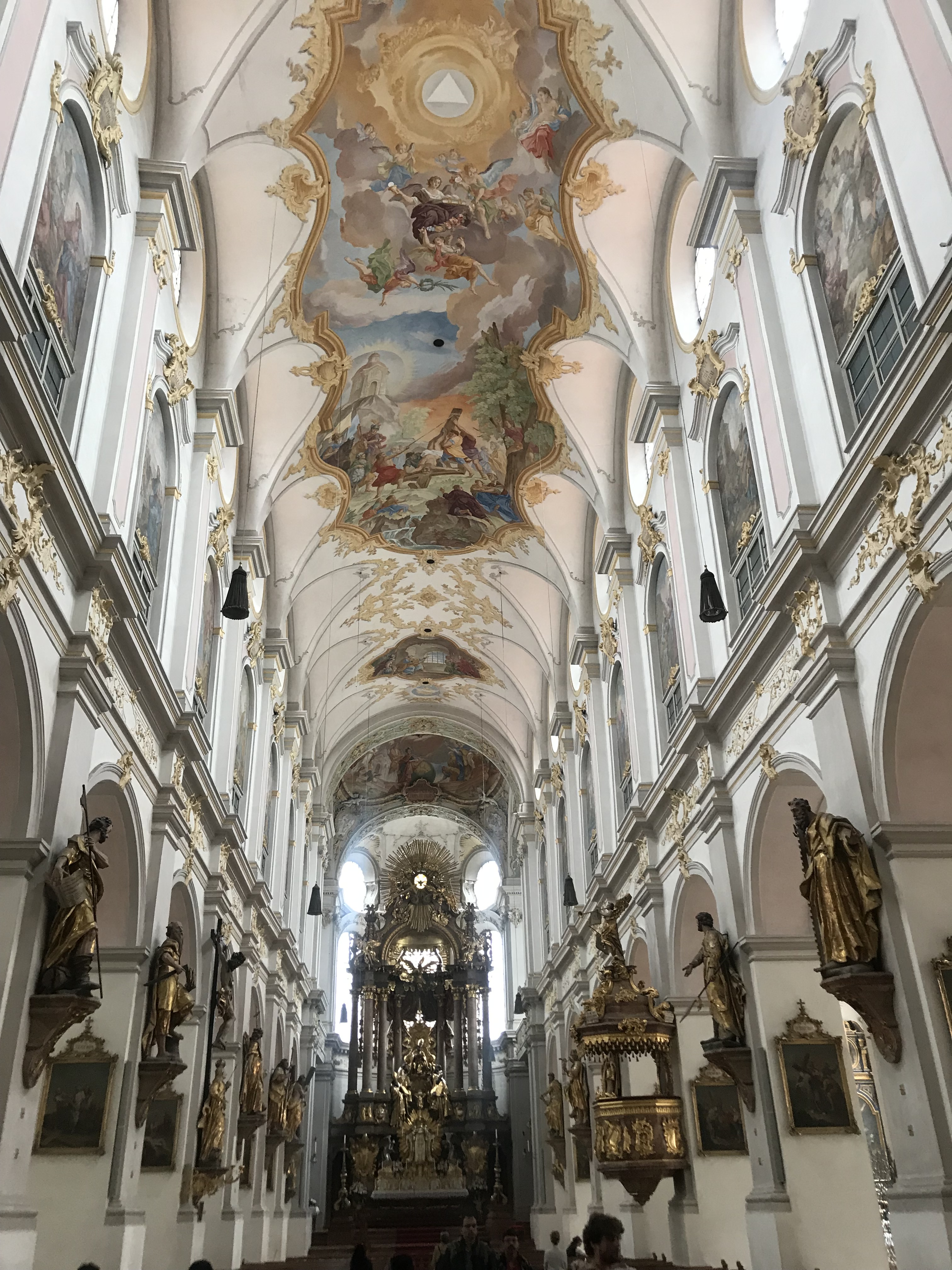

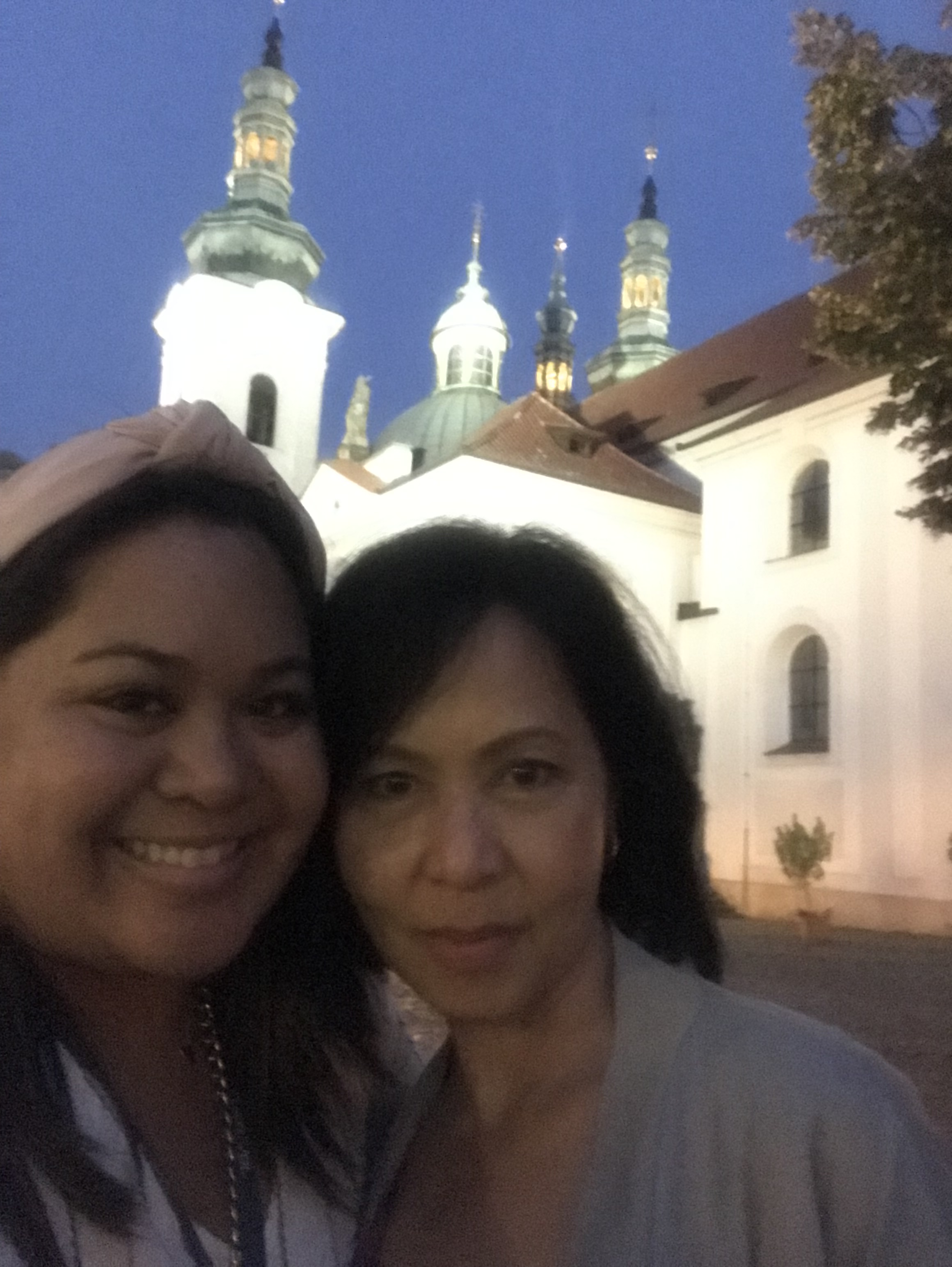
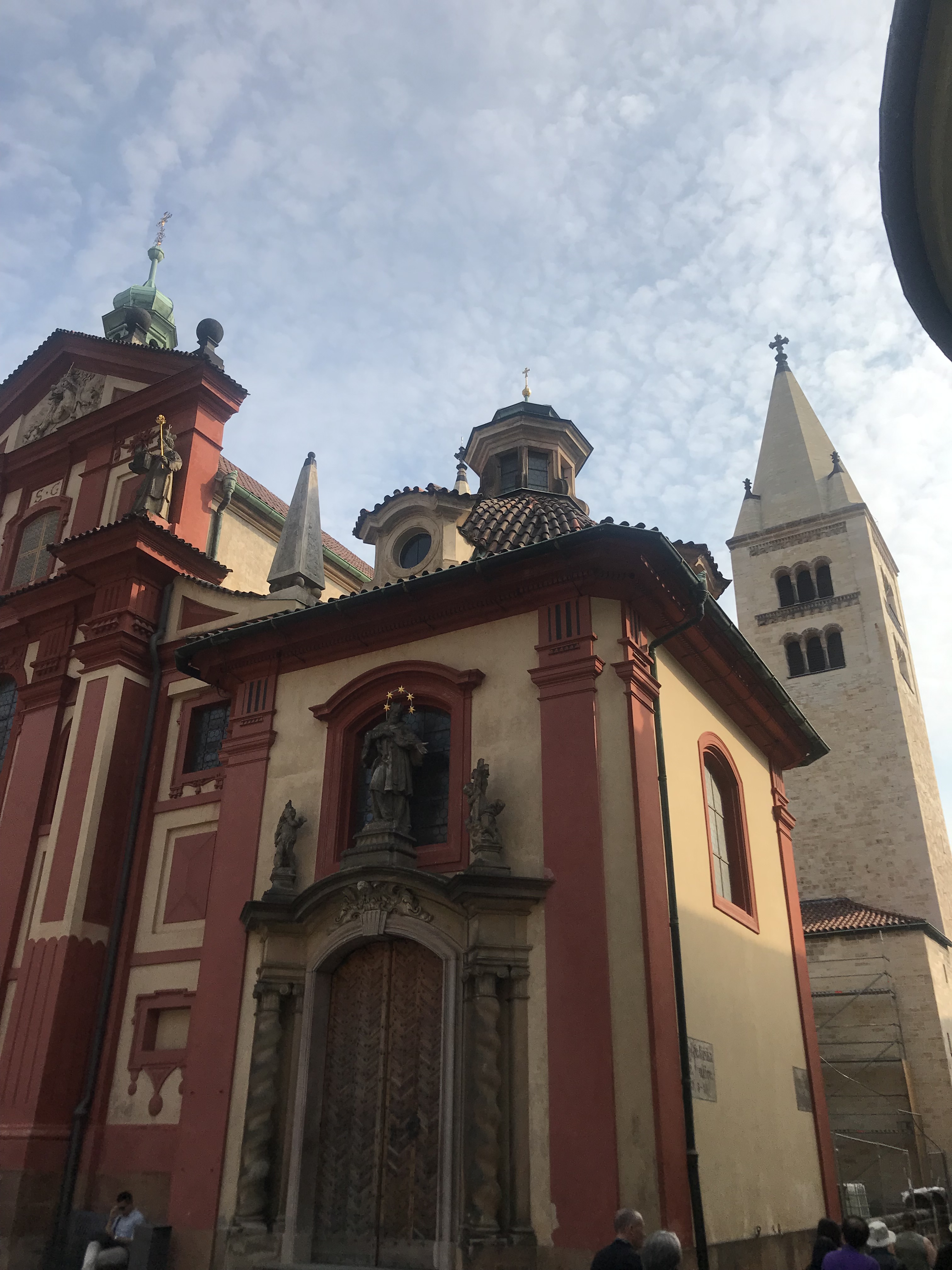
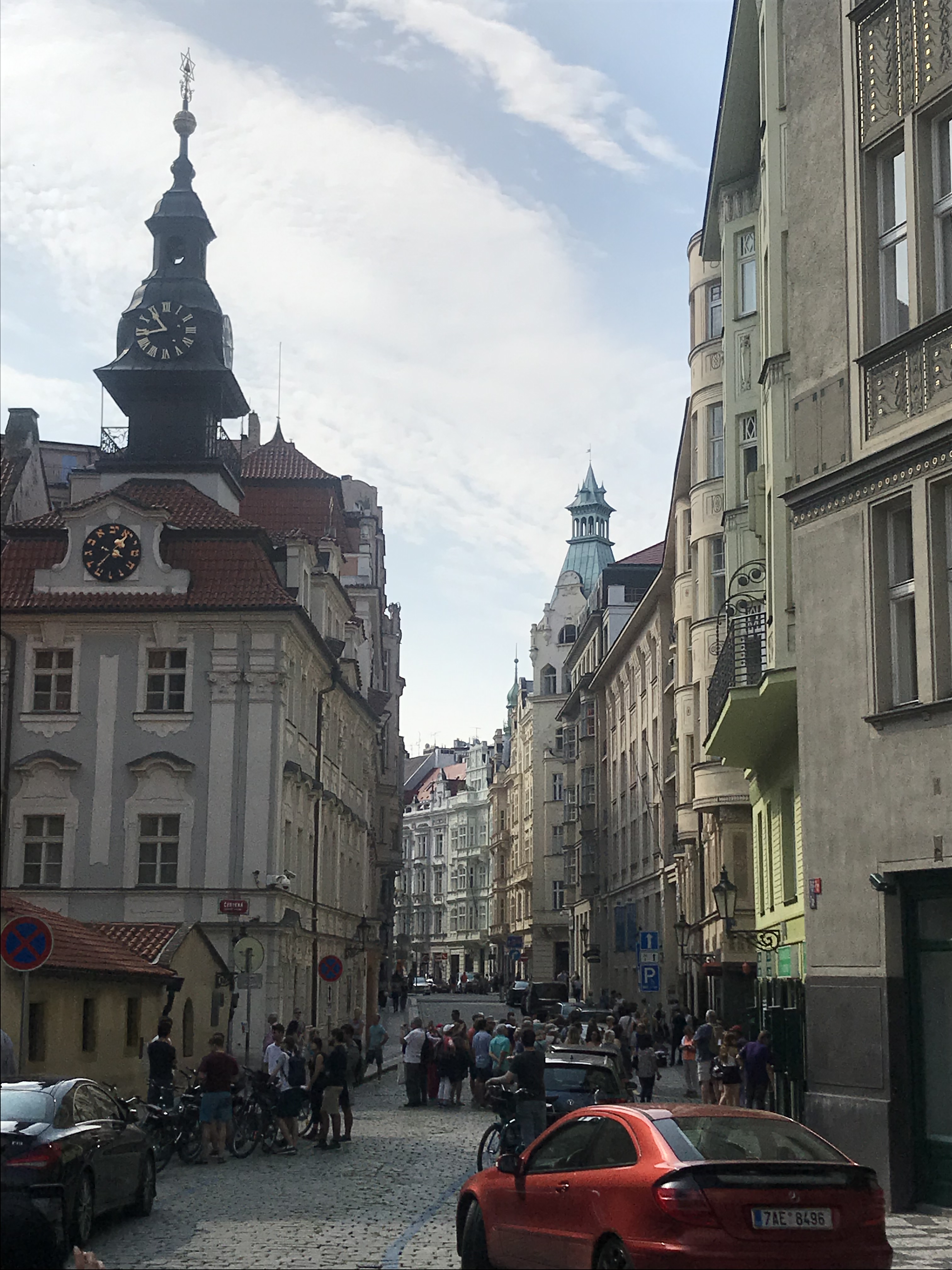
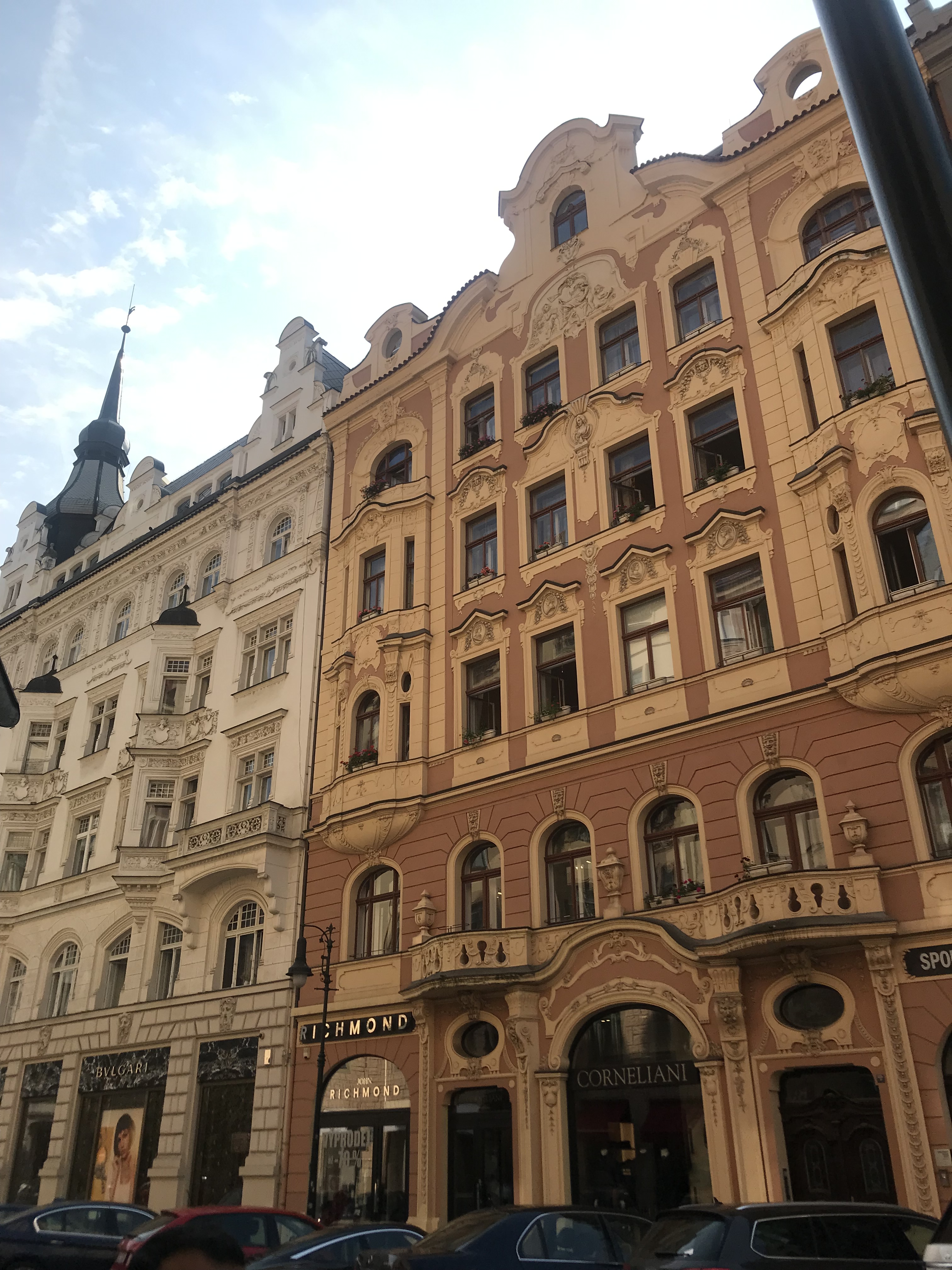
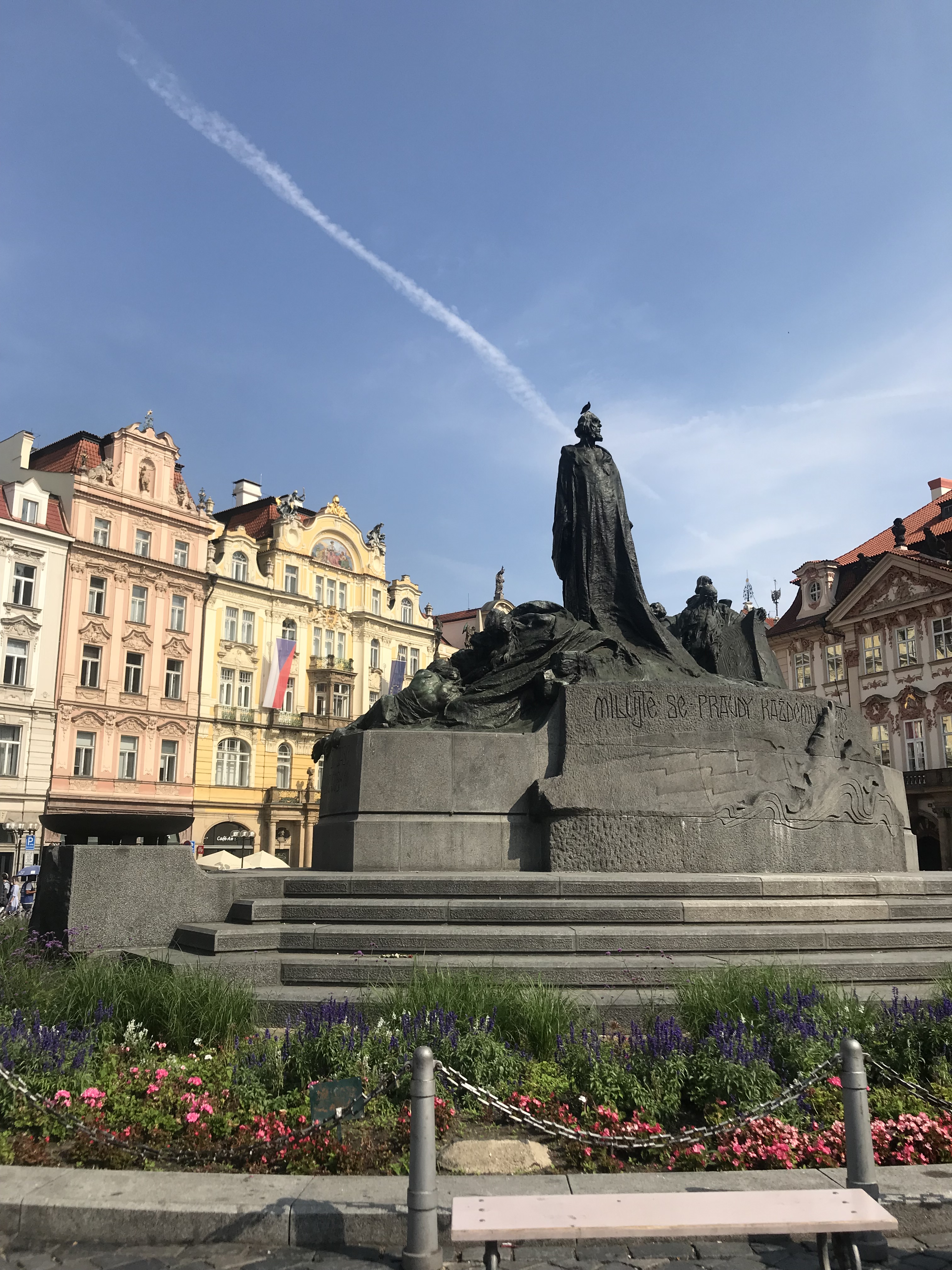
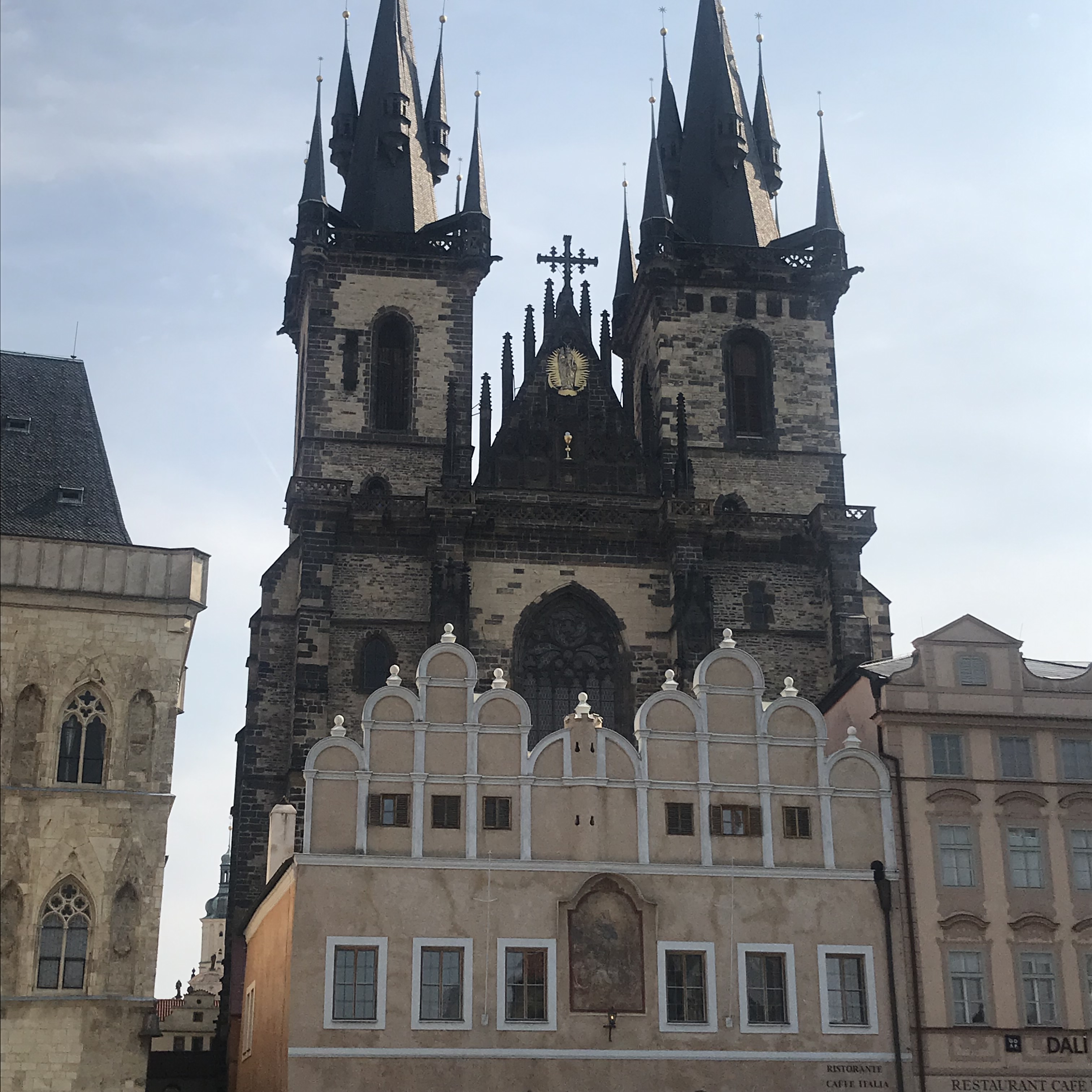
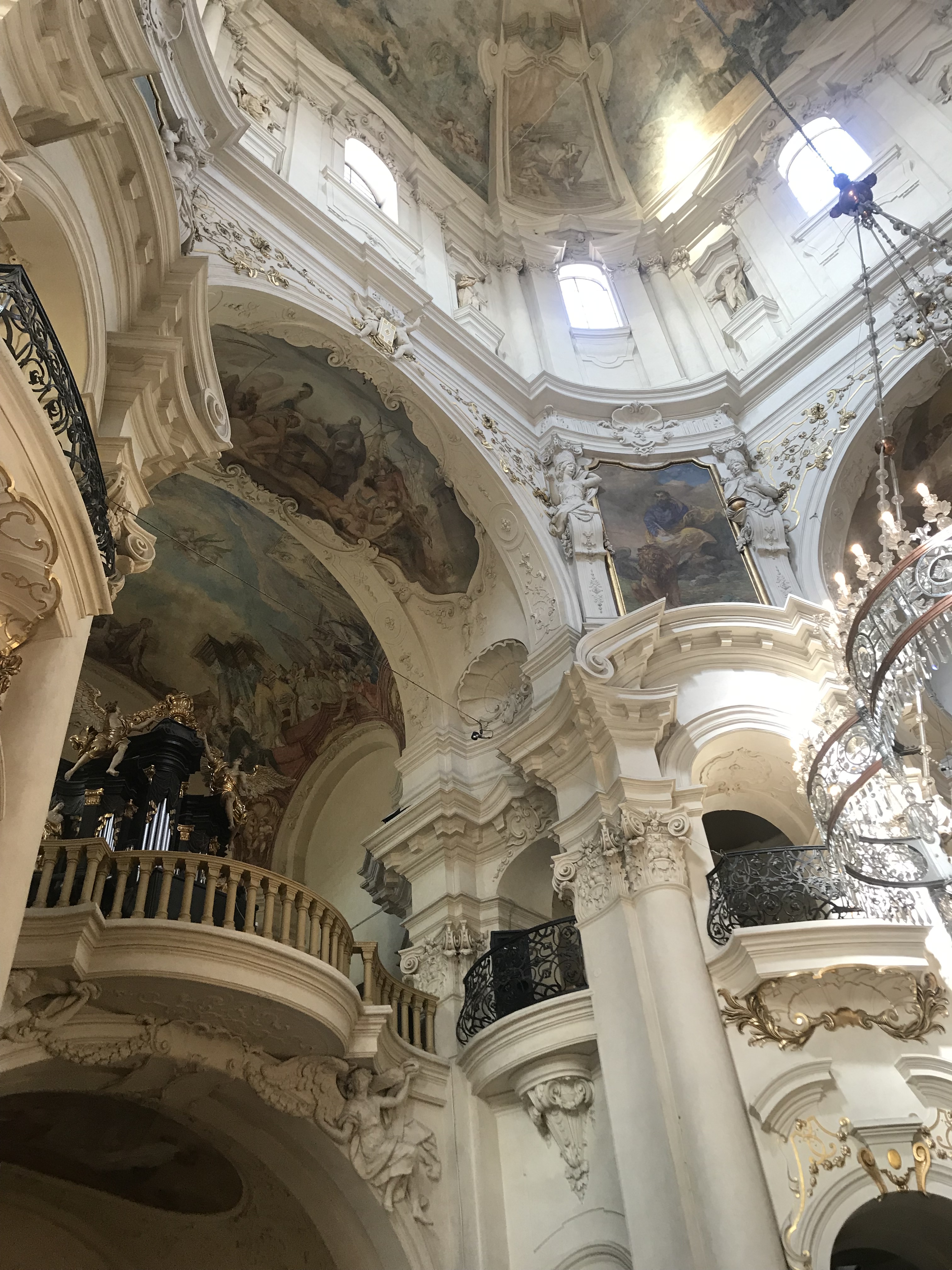
Next was Prague, Czech Republic: The City of a Hundred Spires
Prague’s roots go back over a thousand years, making it one of Europe’s best-preserved historic cities. It served as the capital of the Holy Roman Empire in the 14th century under Charles IV, ushering in Prague’s golden age.
Historical Highlights:
- Prague Castle, dating back to the 9th century, is the largest ancient castle in the world and was once the seat of emperors and kings.
- The Charles Bridge was commissioned in 1357 and served as a vital trade route between Eastern and Western Europe.
- Prague was a center of the Bohemian Reformation, Hussite Wars, and later the Velvet Revolution in 1989, which peacefully ended Communist rule in Czechoslovakia.
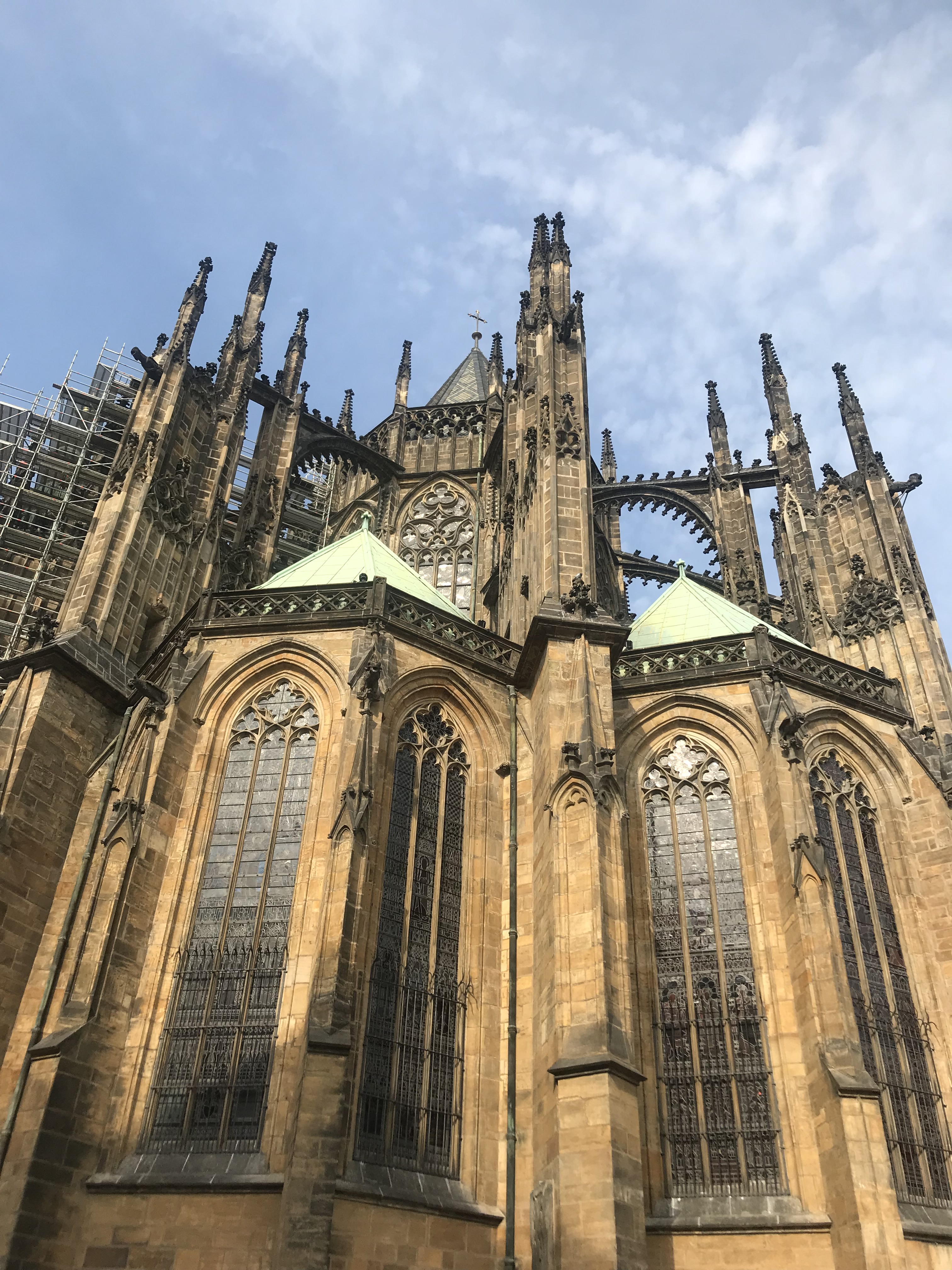
It’s a city that has survived occupation, religious conflict, and revolution — and emerged with its Gothic beauty intact.
Prague pairs medieval charm with rich, comforting food. Czech cuisine is simple but satisfying, perfect after a day of climbing towers and cobblestone wandering. Food in Prague is like its architecture: layered, filling, and full of surprises.
Must-try food & drink:
- Svíčková – Beef sirloin in a creamy vegetable sauce, served with bread dumplings and a dollop of whipped cream and cranberry.
- Vepřo knedlo zelo – Roast pork with dumplings and sauerkraut, a national classic.
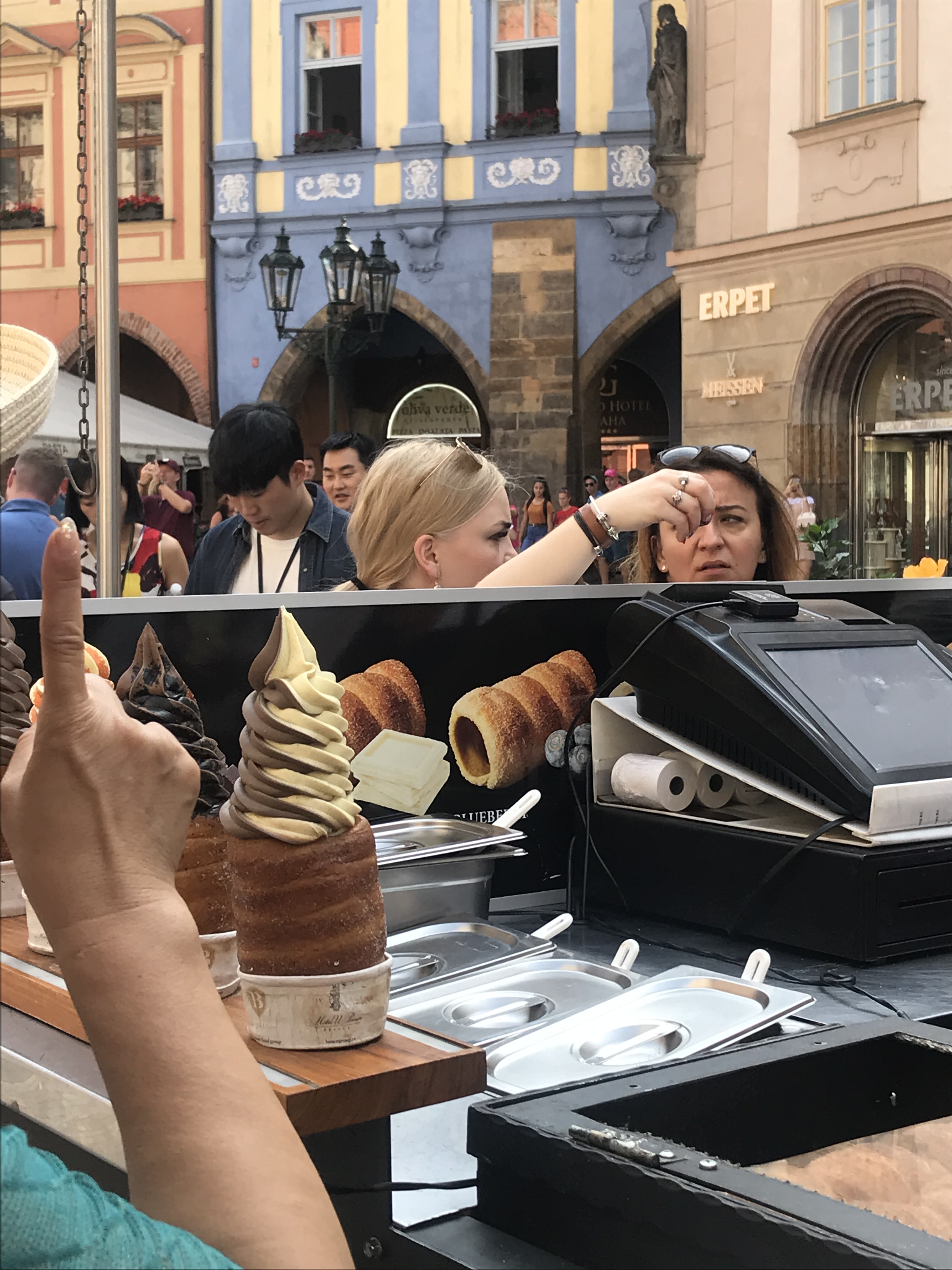
- Trdelník – A sweet pastry cooked on a spit and sprinkled with sugar and nuts. Tourist-y? Yes. Still delicious? Absolutely.
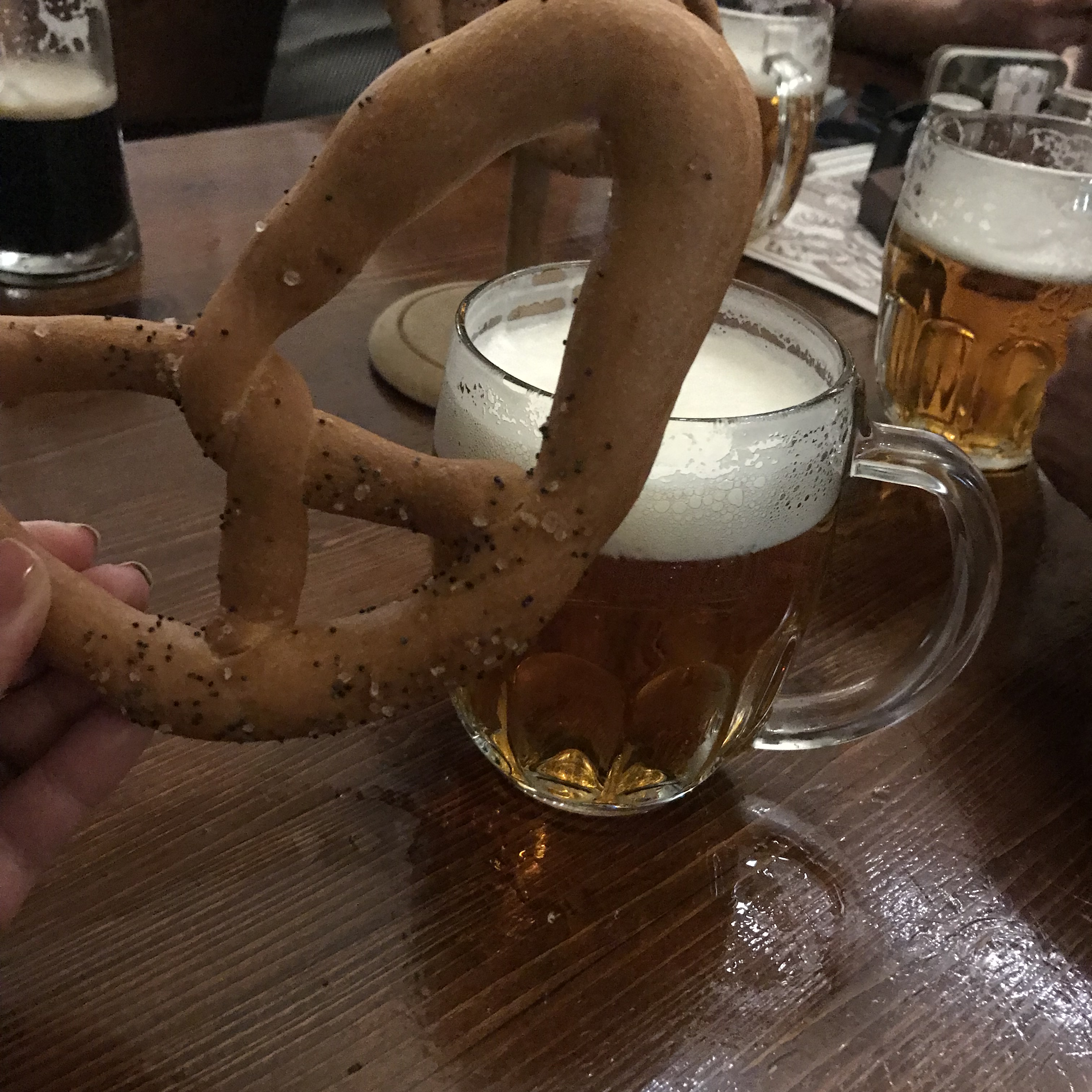
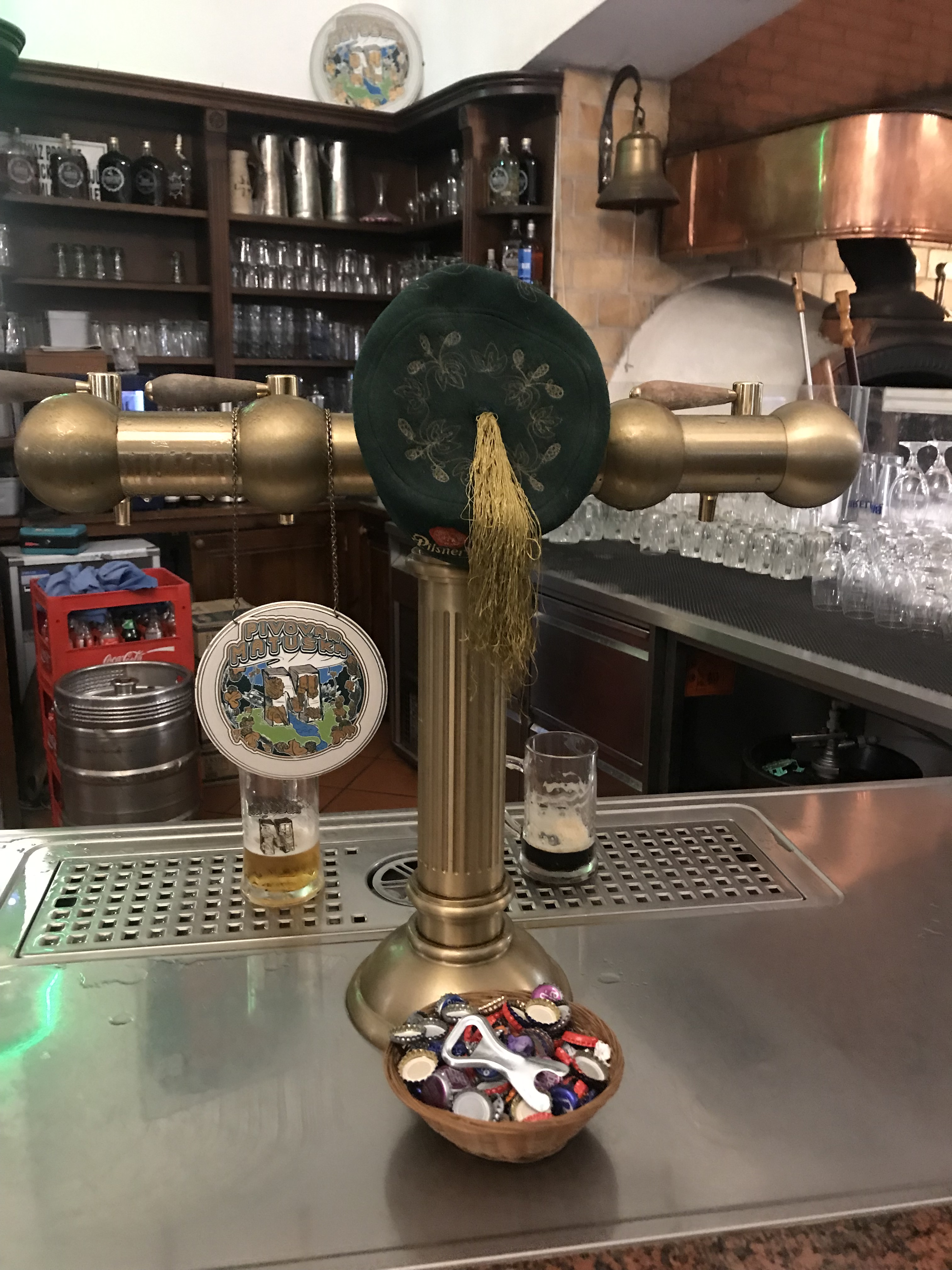
- Pilsner beer – Czechia is the birthplace of the pilsner style. Try Pilsner Urquell or a local craft variant.
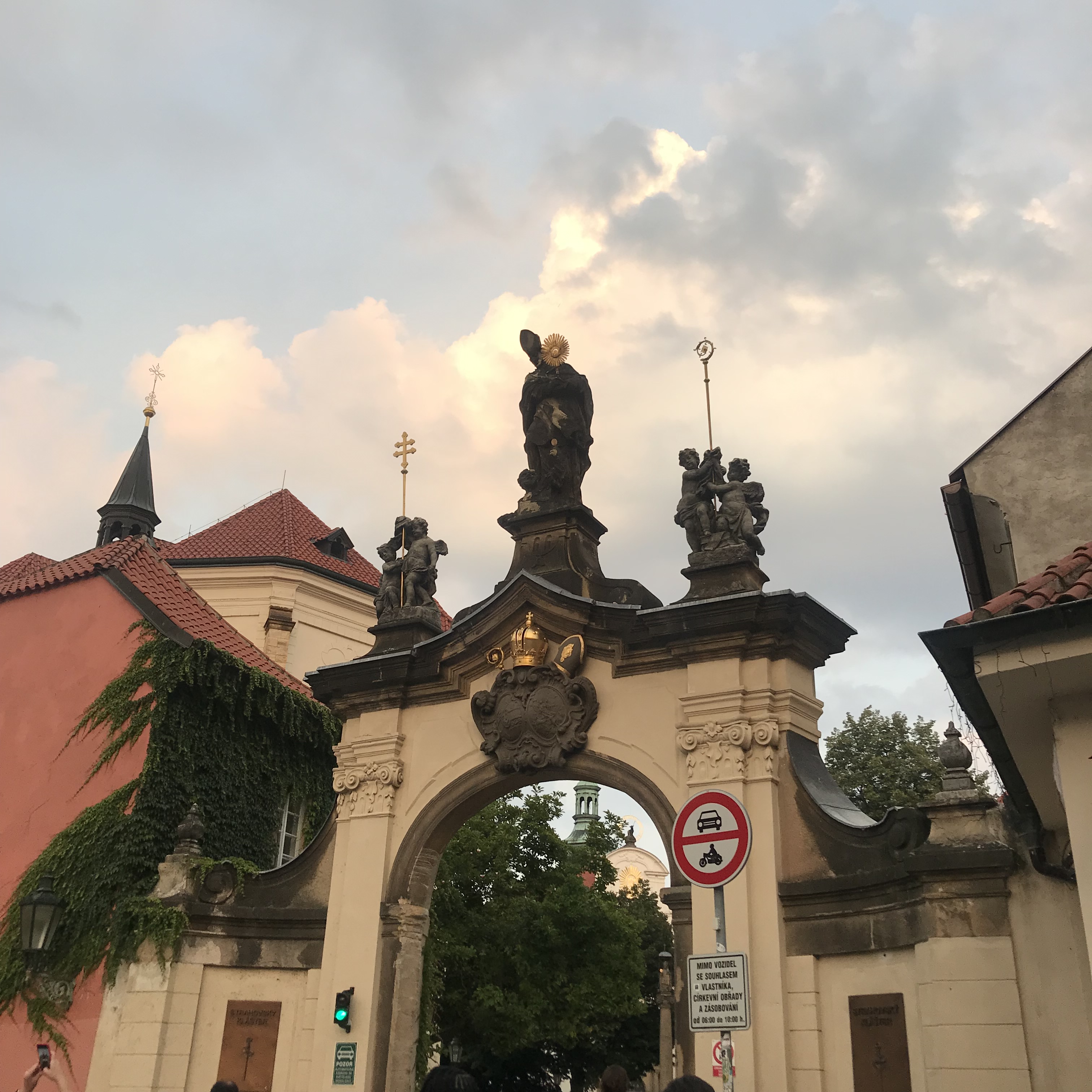
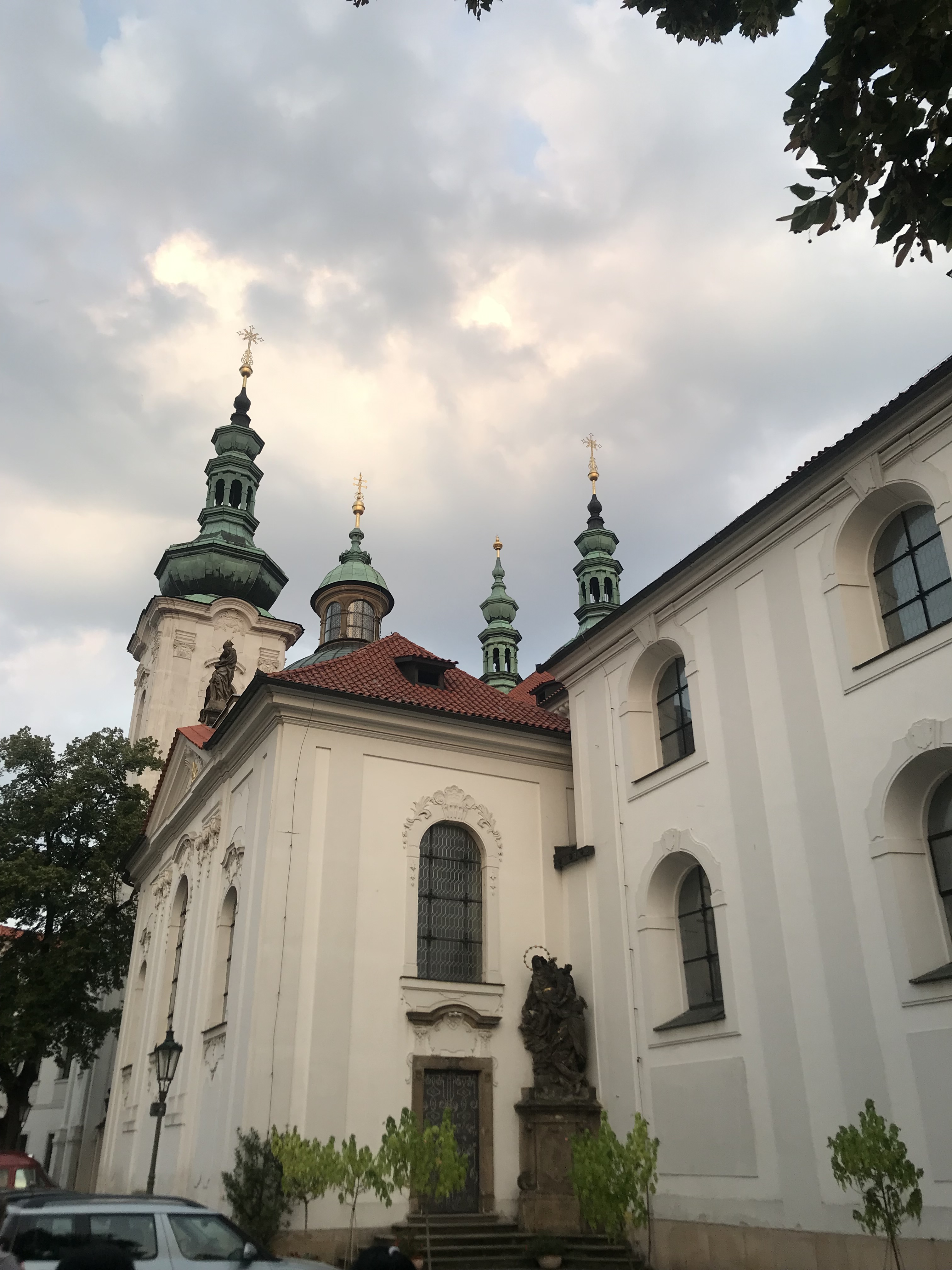

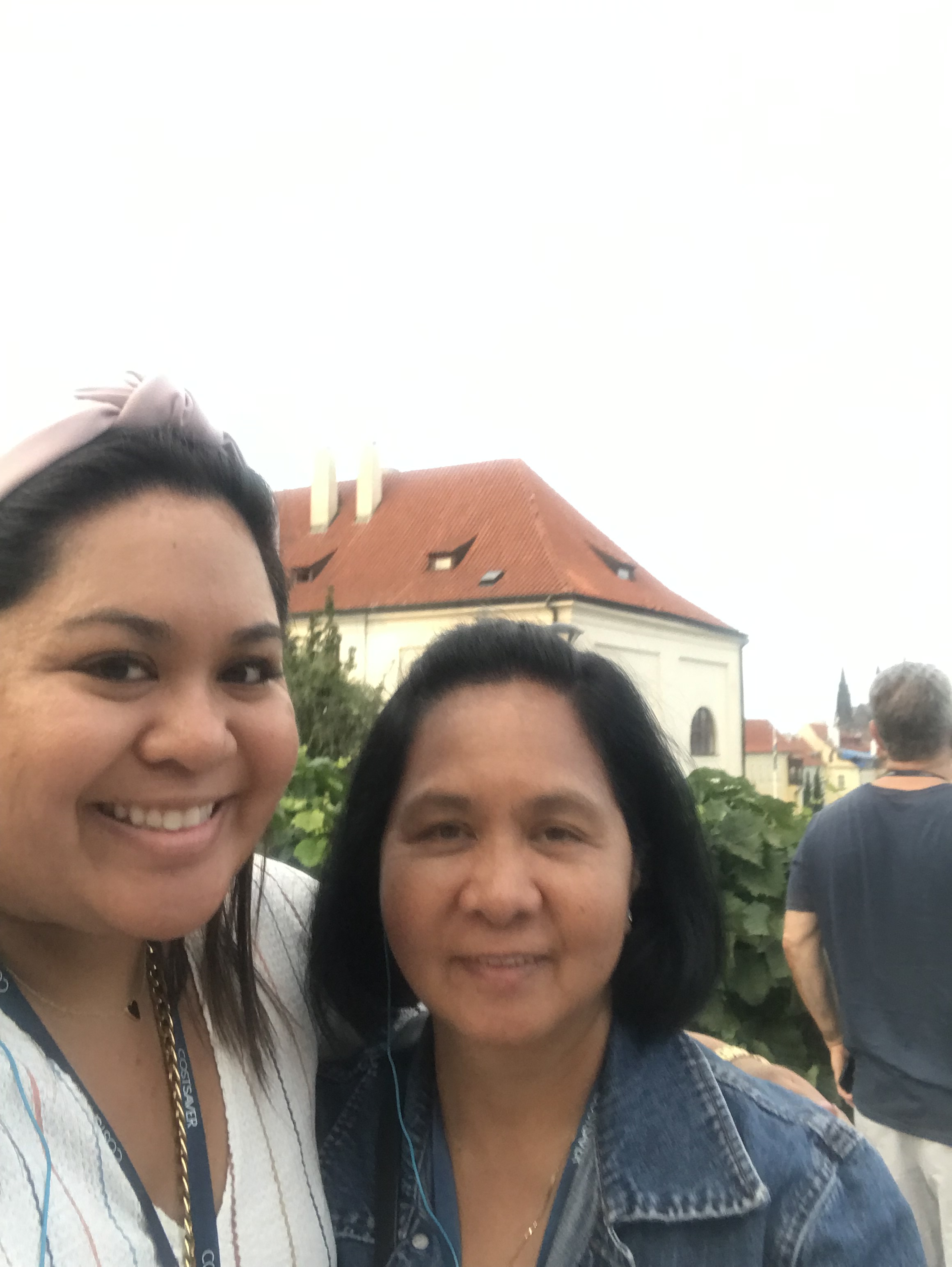












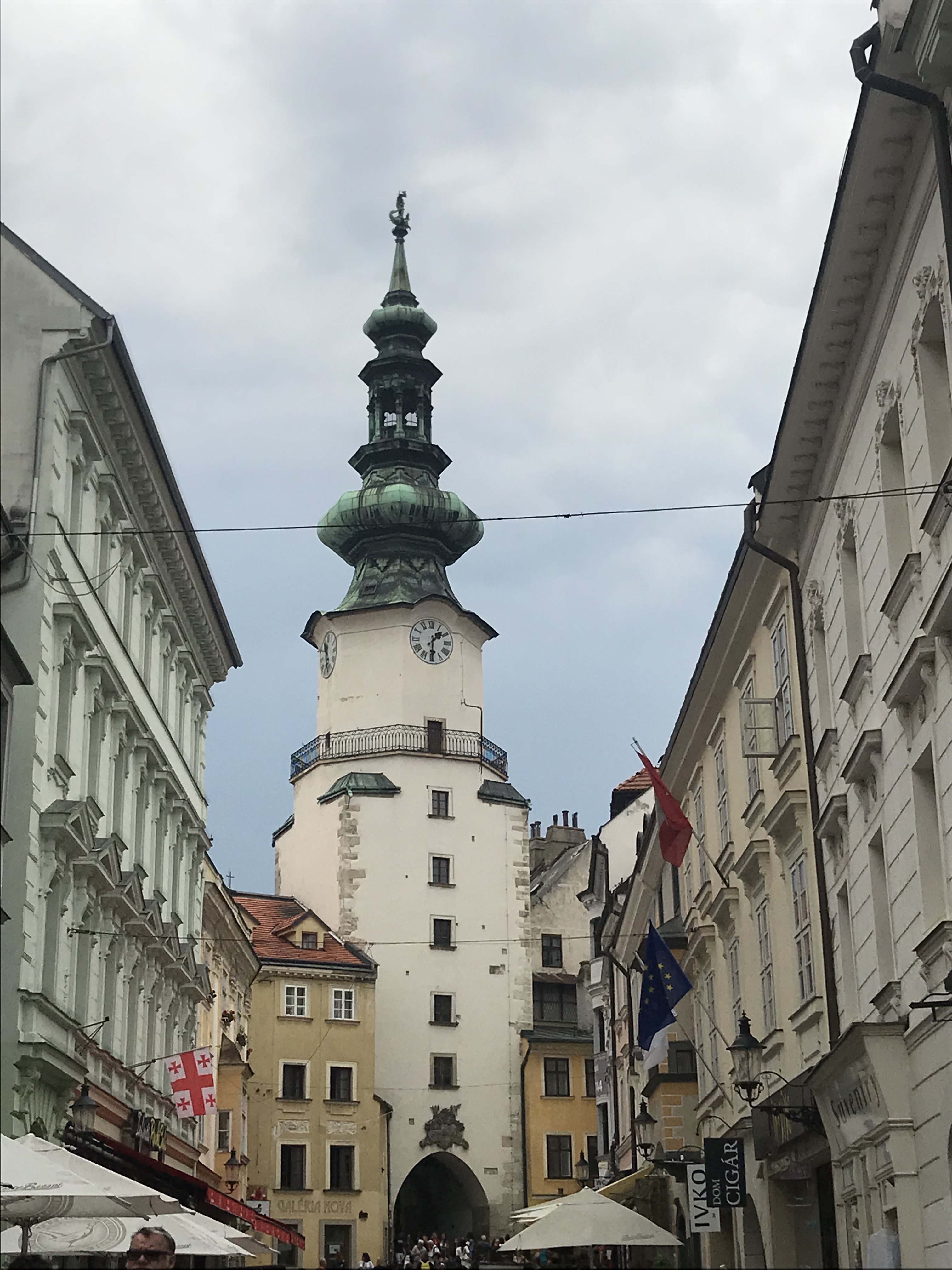
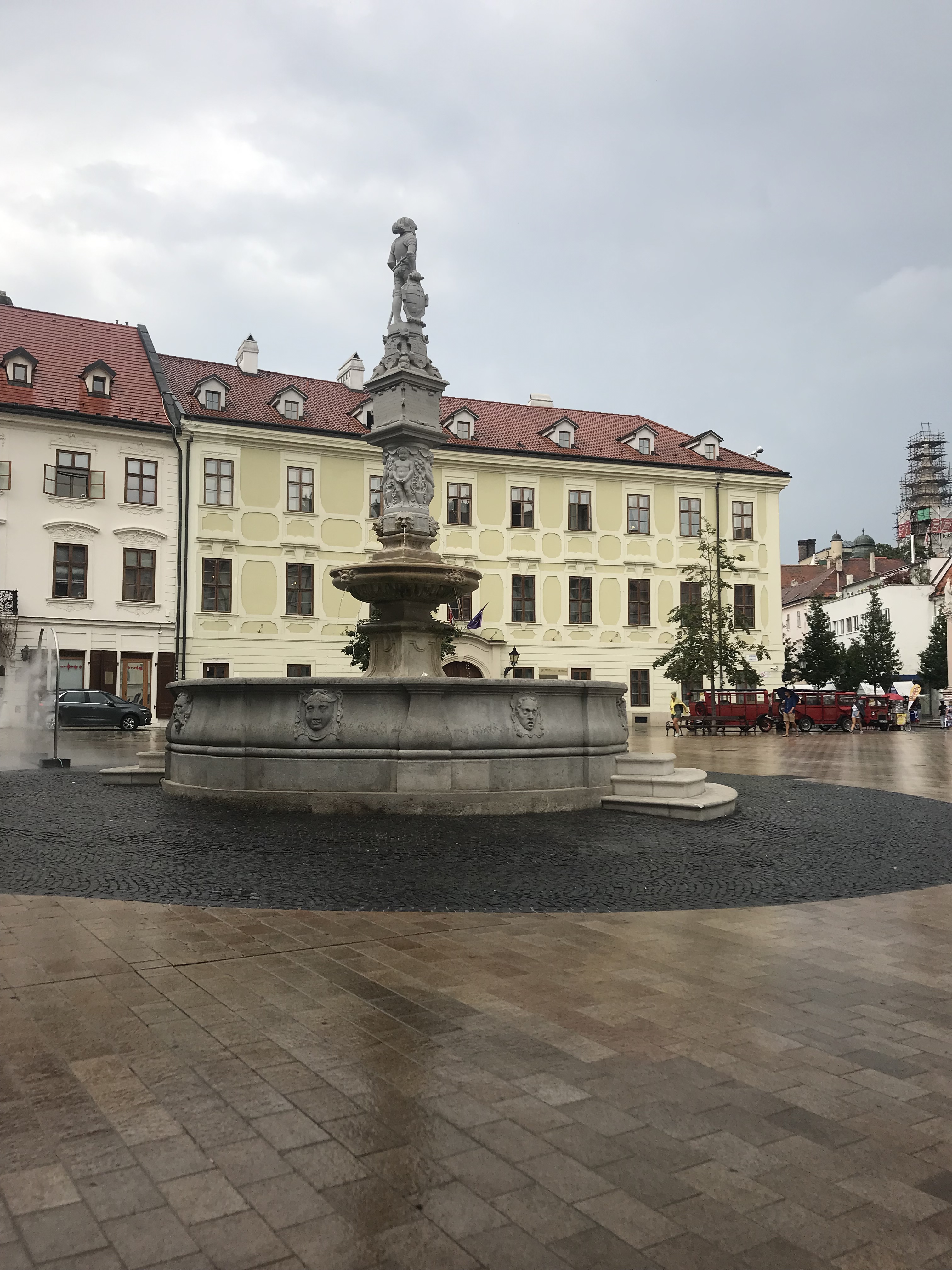
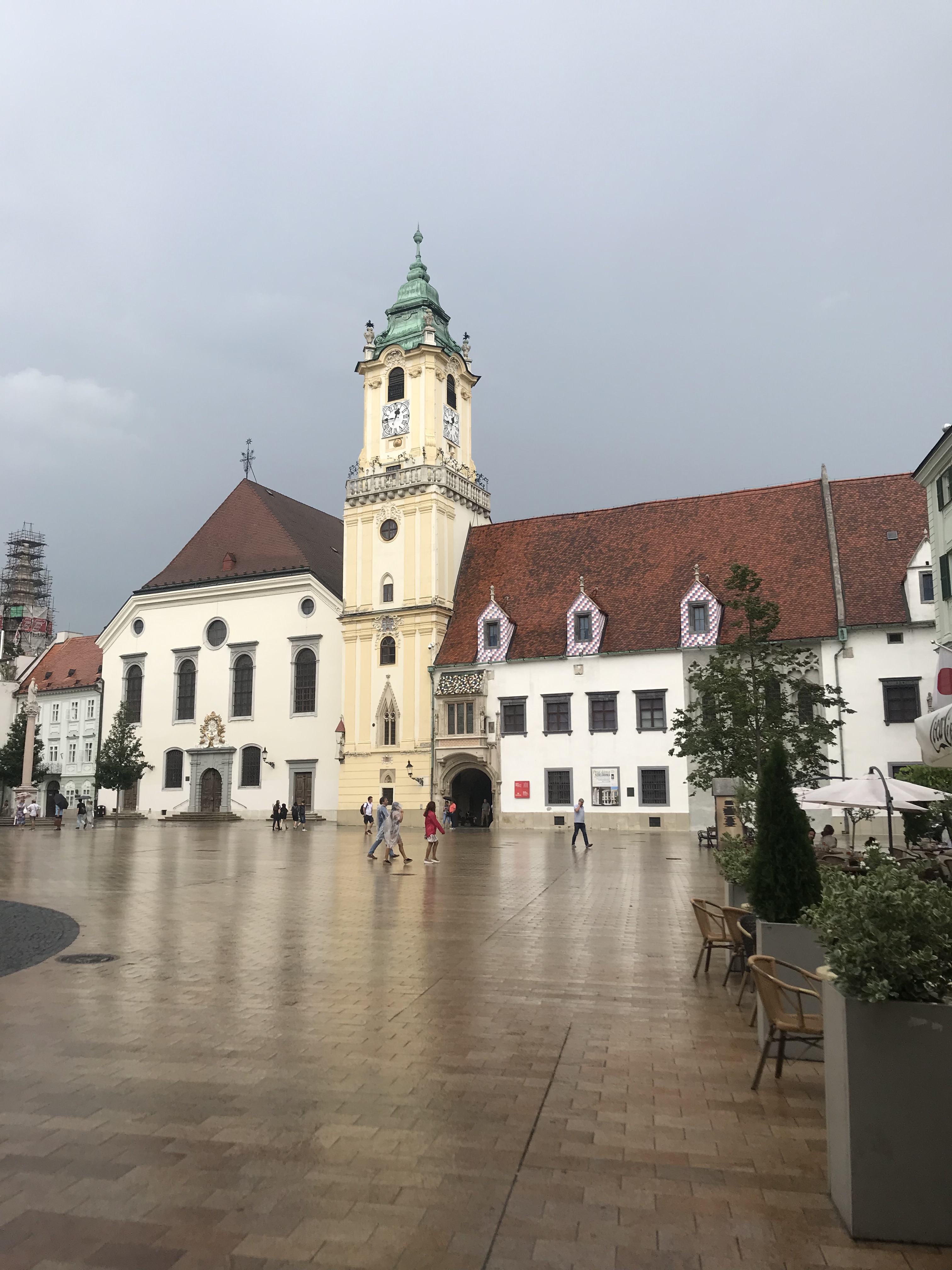
Pitstop at Bratislava, Slovakia: Between Empires
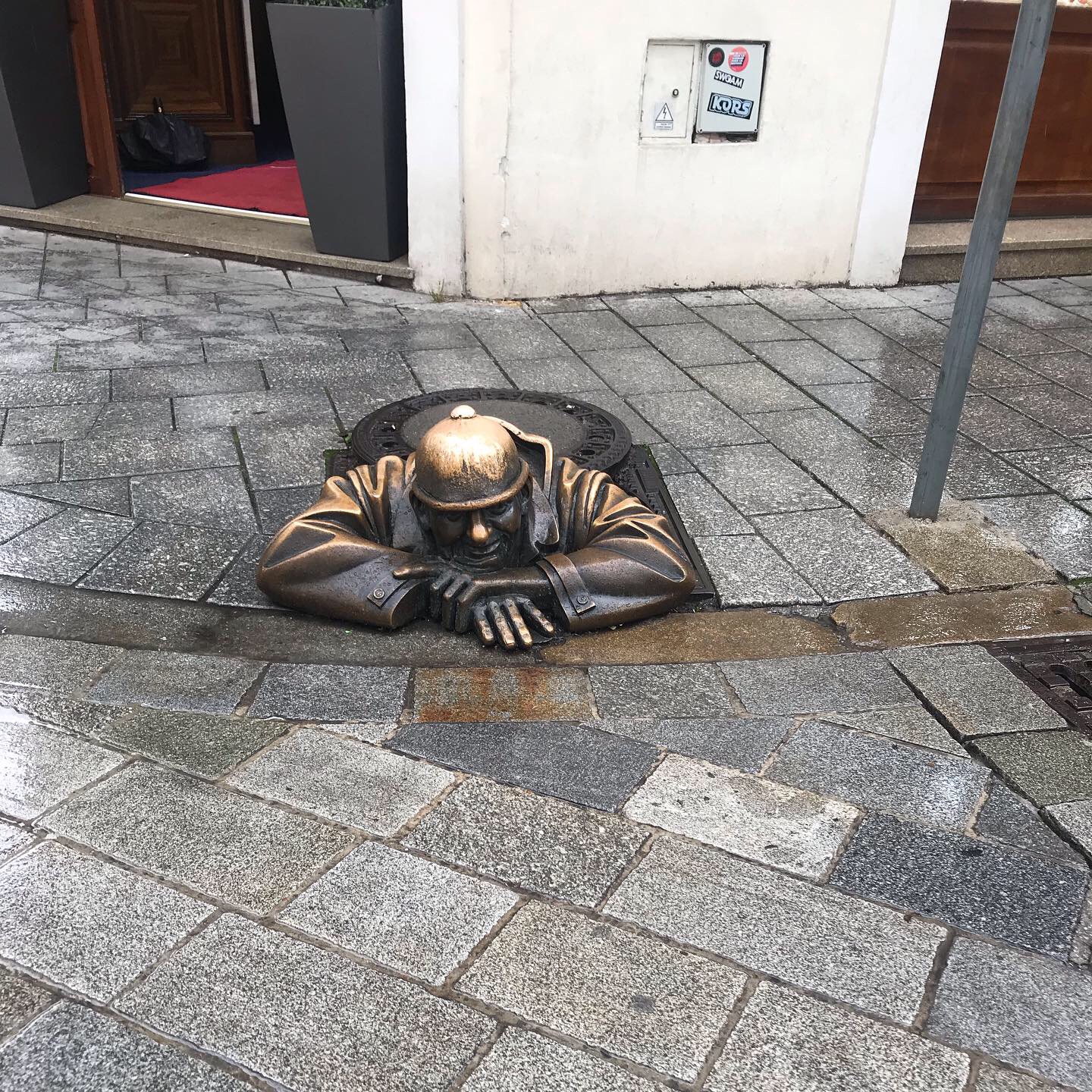
Bratislava may be smaller, but its strategic location on the Danube has given it outsized historical importance. Known as Pressburg under the Austro-Hungarian Empire, it was the capital of the Kingdom of Hungary for over 250 years when Ottoman forces occupied Buda.
Historical Highlights:
- Bratislava Castle has existed since the 9th century and was rebuilt multiple times — from Gothic stronghold to Renaissance palace.
- Between 1563 and 1830, 11 Hungarian kings and queens were crowned here in St. Martin’s Cathedral.
- In the 20th century, Bratislava became part of Czechoslovakia and was a focal point during the Velvet Divorce of 1993, when Slovakia peacefully split from the Czech Republic.
Bratislava today stands as a symbol of Slovakia’s national identity and youthful energy, despite centuries of shifting borders and rulers.
Slovak cuisine might not be widely known, but it’s worth the stop for these comforting plates alone. Bratislava’s food reflects both its Slovak roots and Austro-Hungarian influence. It’s cozy, rustic, and budget-friendly — perfect for hungry travelers.
Must-try food & drink:
- Bryndzové halušky – The national dish: potato dumplings with creamy sheep cheese and topped with crispy bacon.
- Kapustnica – A tangy sauerkraut soup with sausage, mushrooms, and sometimes smoked meat. Comfort in a bowl.
- Zemiakové placky – Savory potato pancakes, often served with garlic and sour cream.
- Kofola – A local cola-like drink created during communist times, still loved by Slovaks.

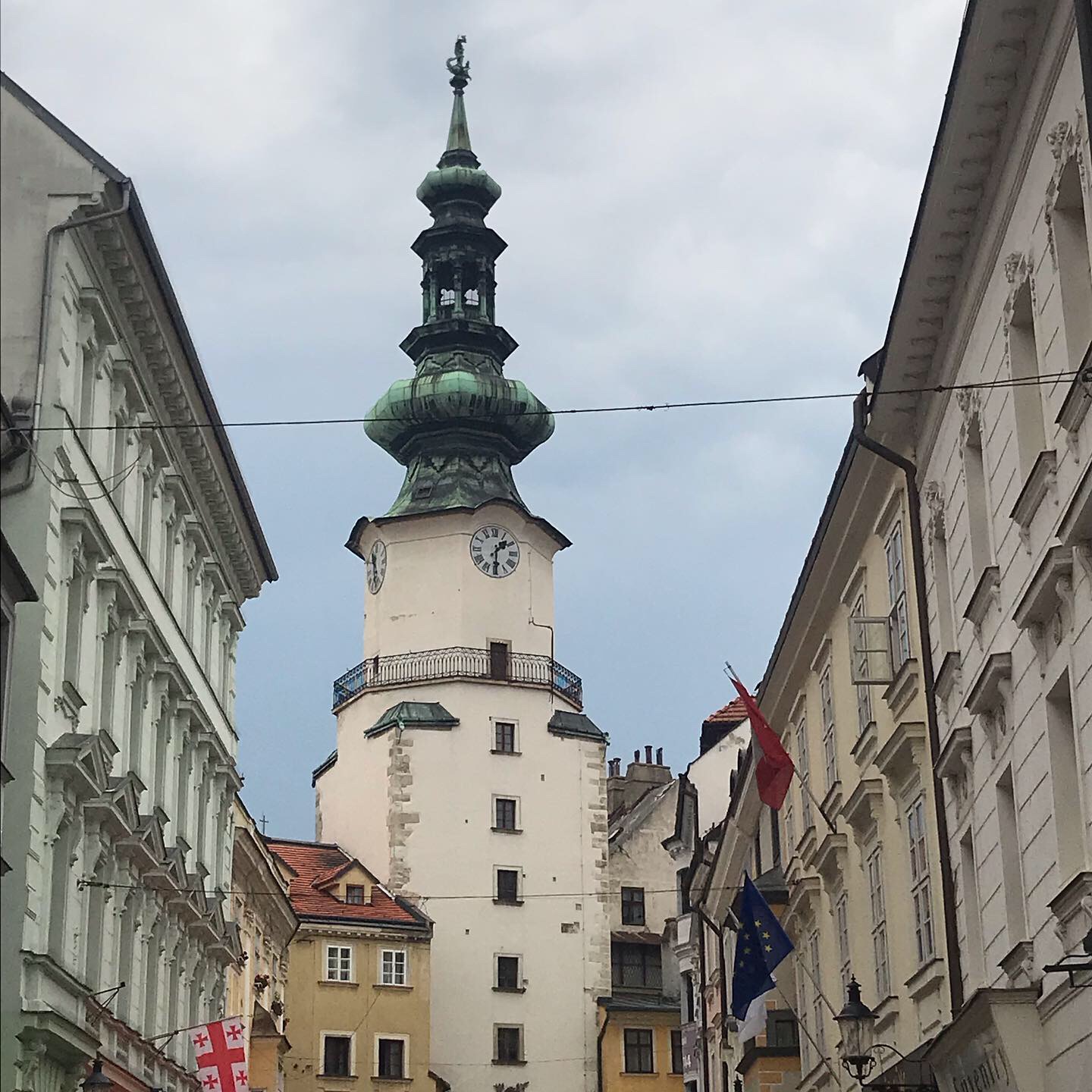
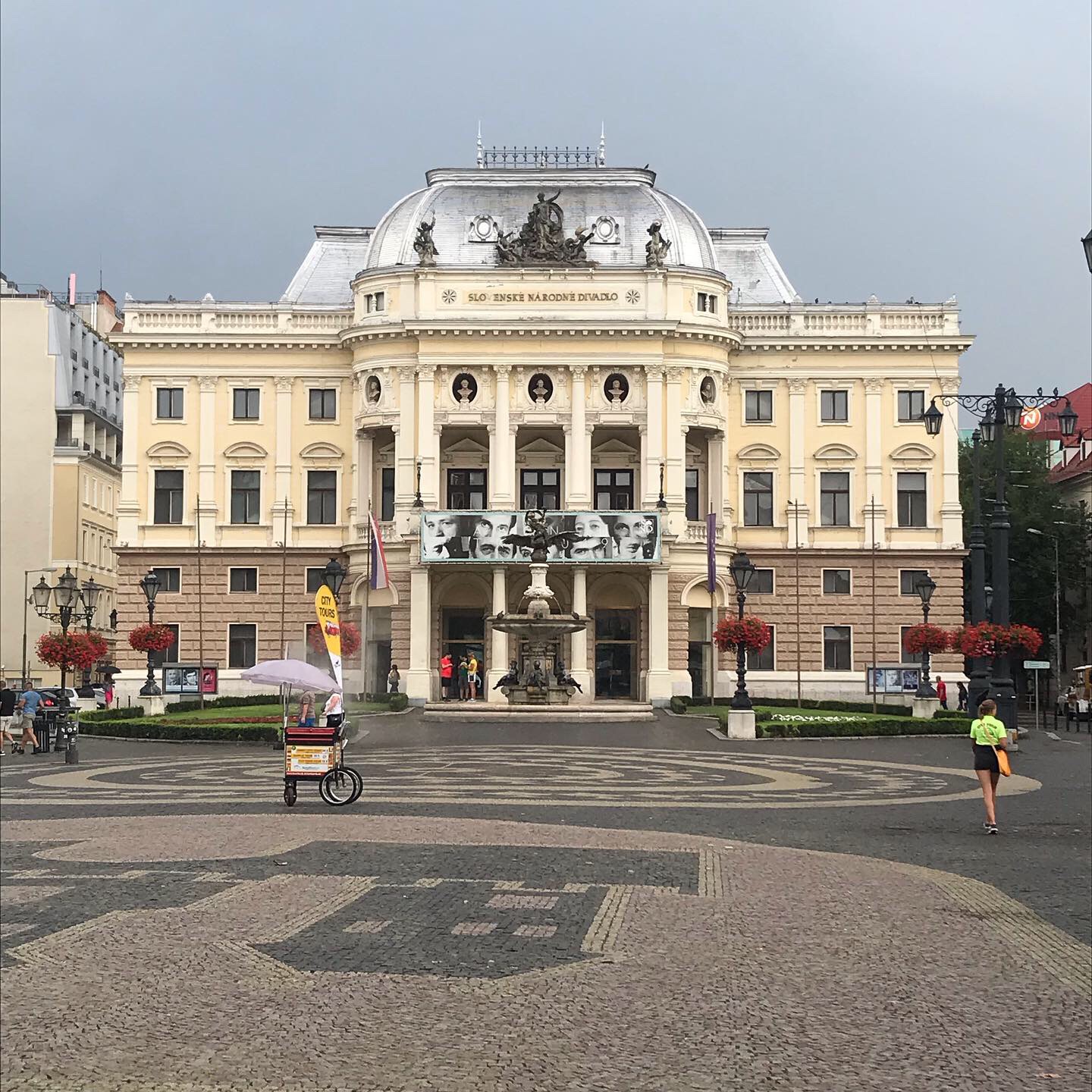
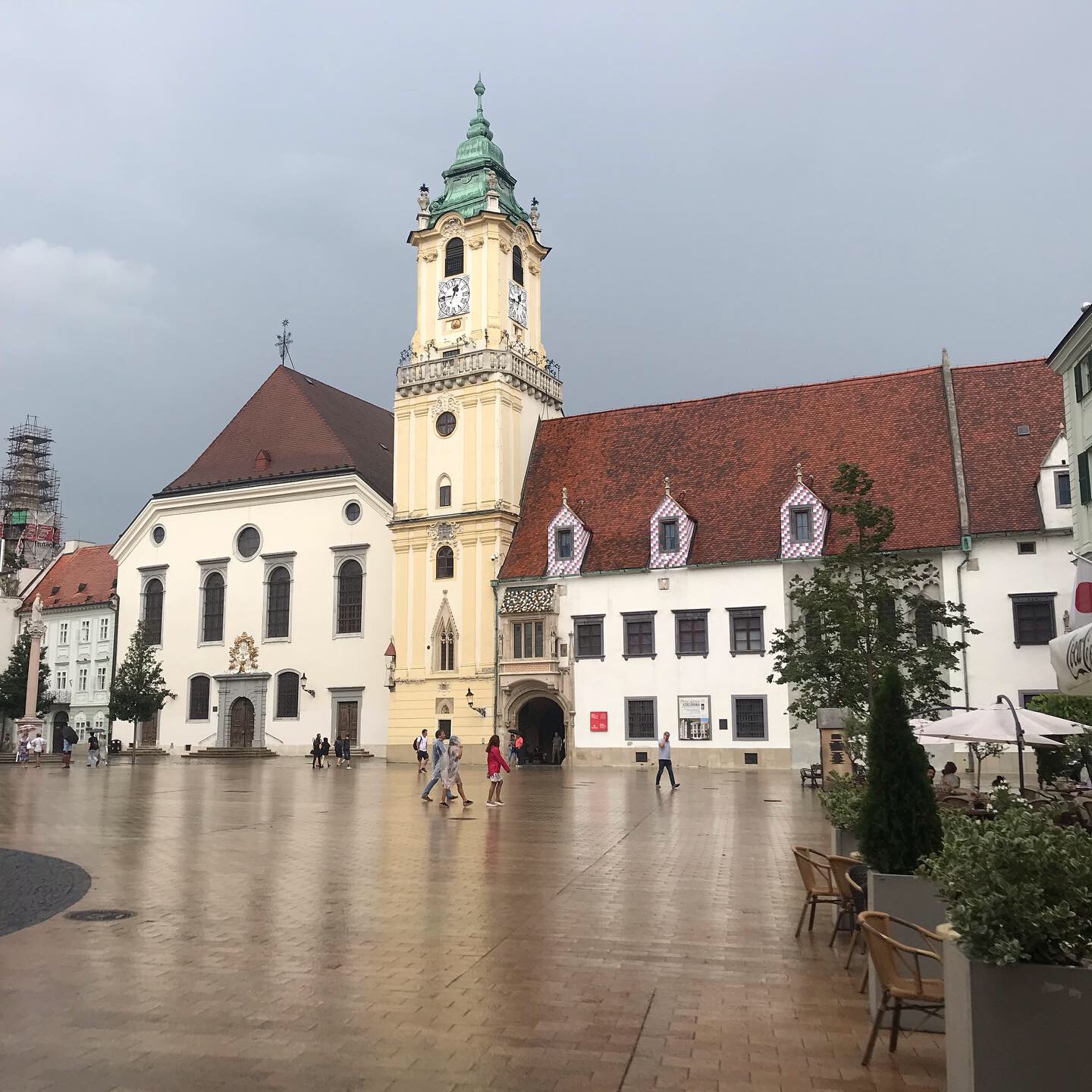
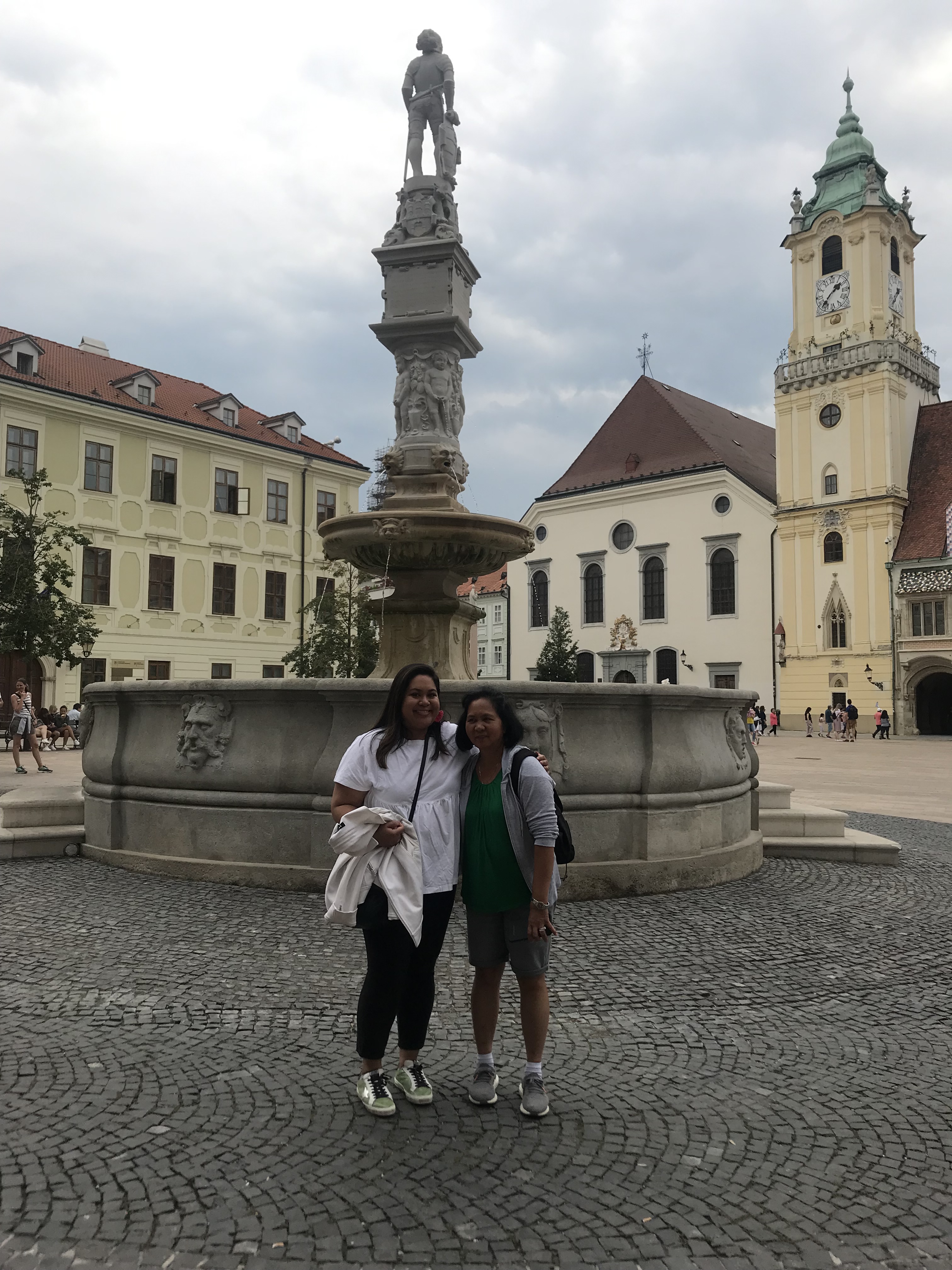
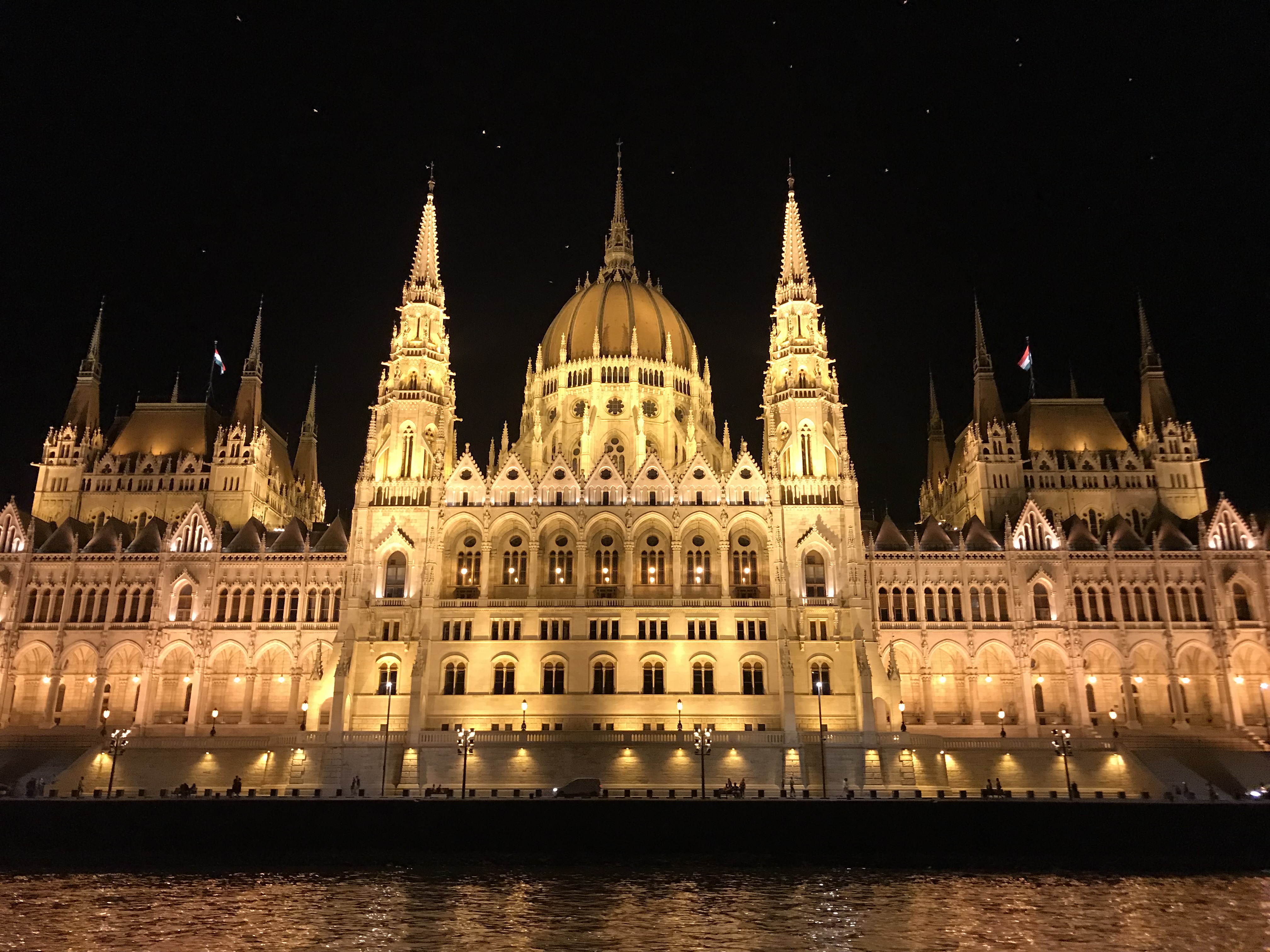
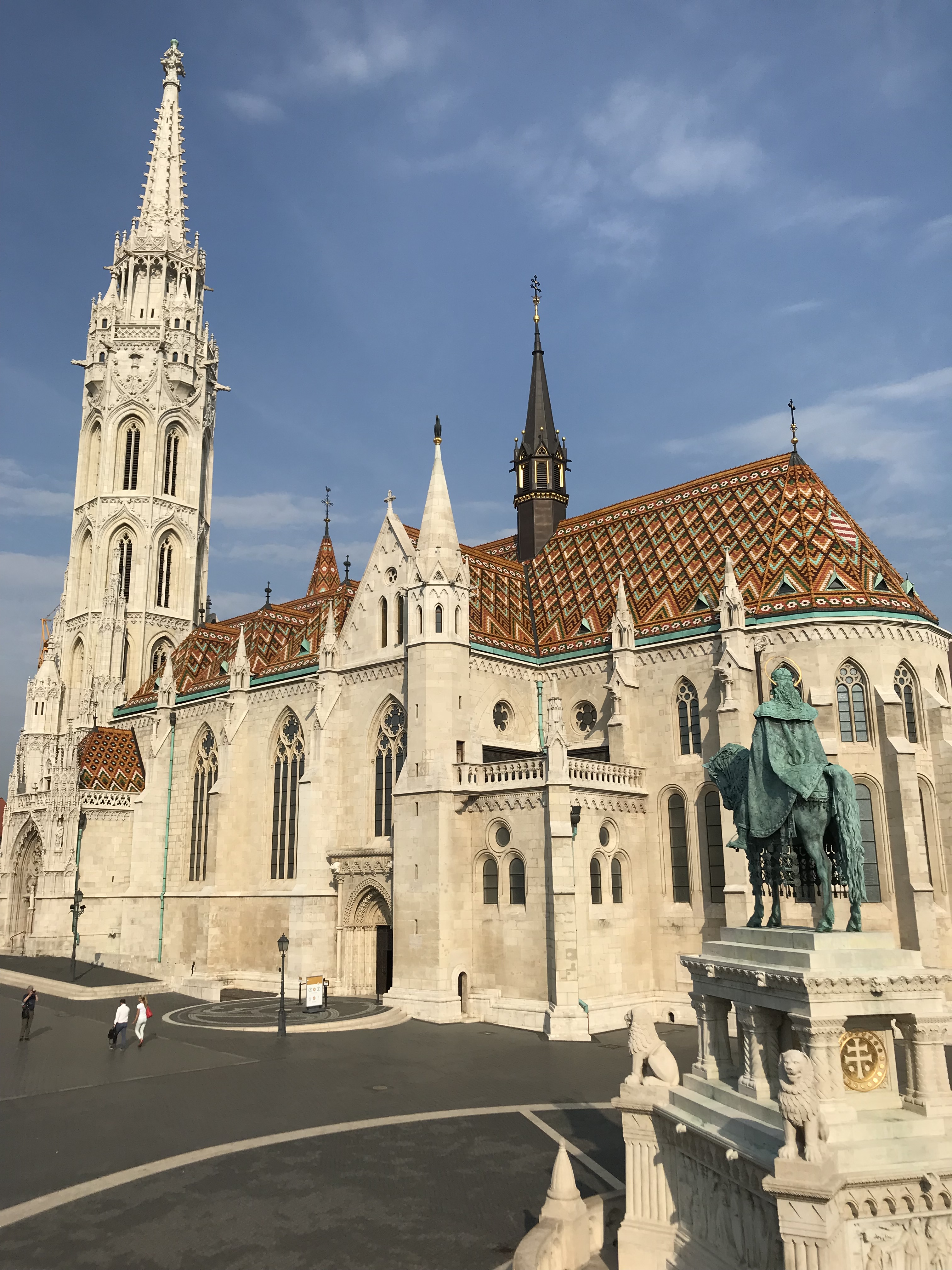
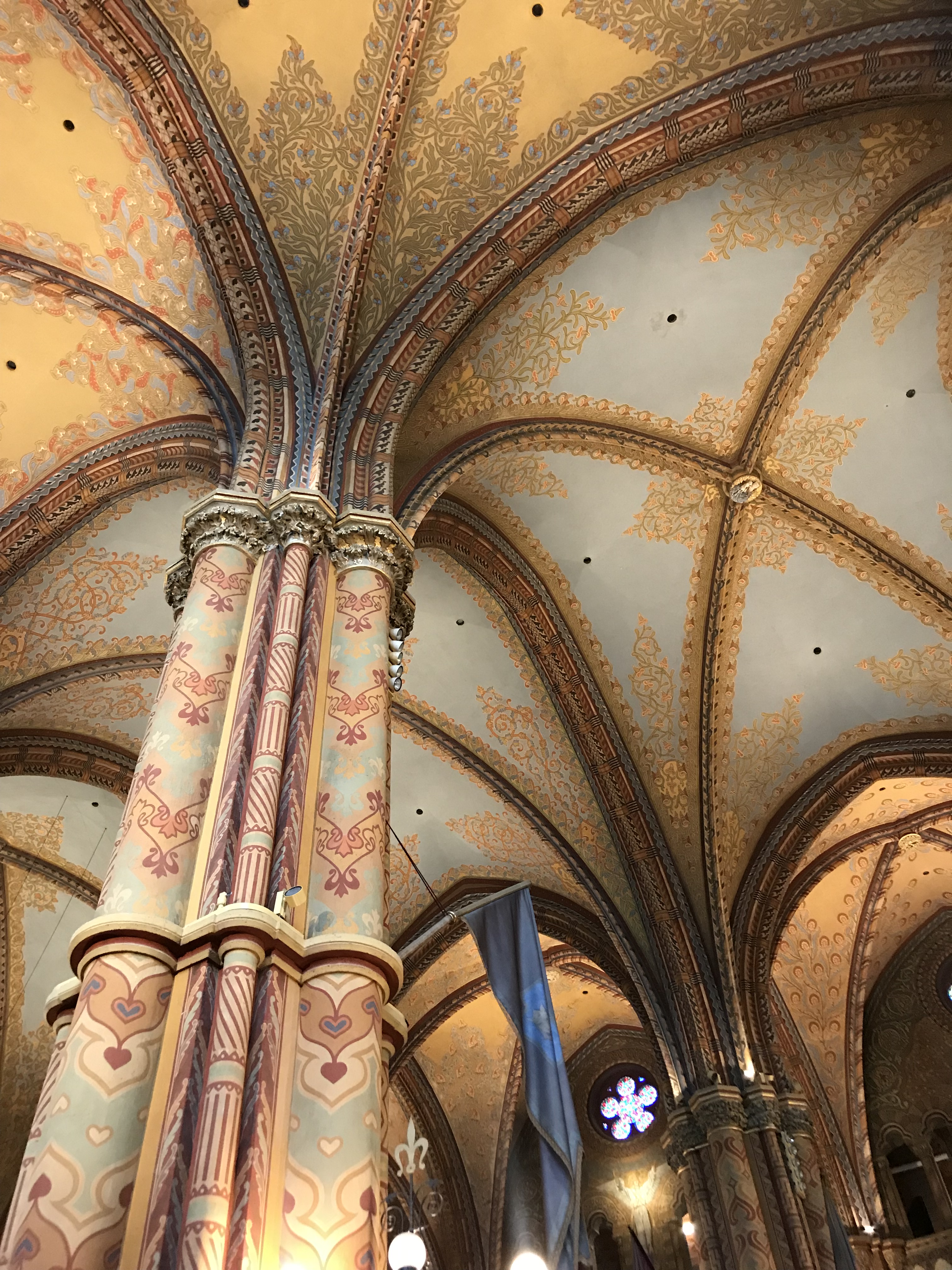
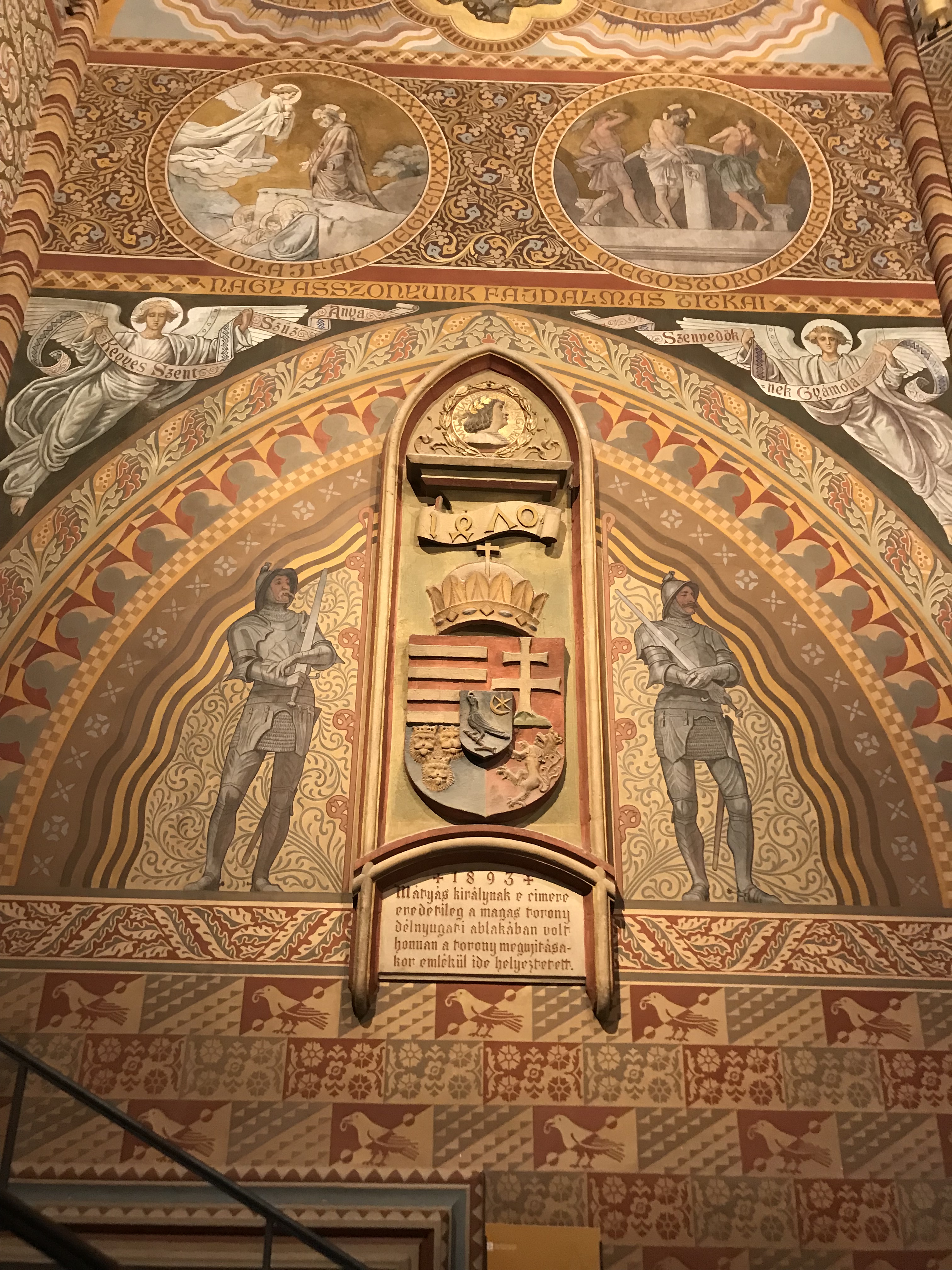
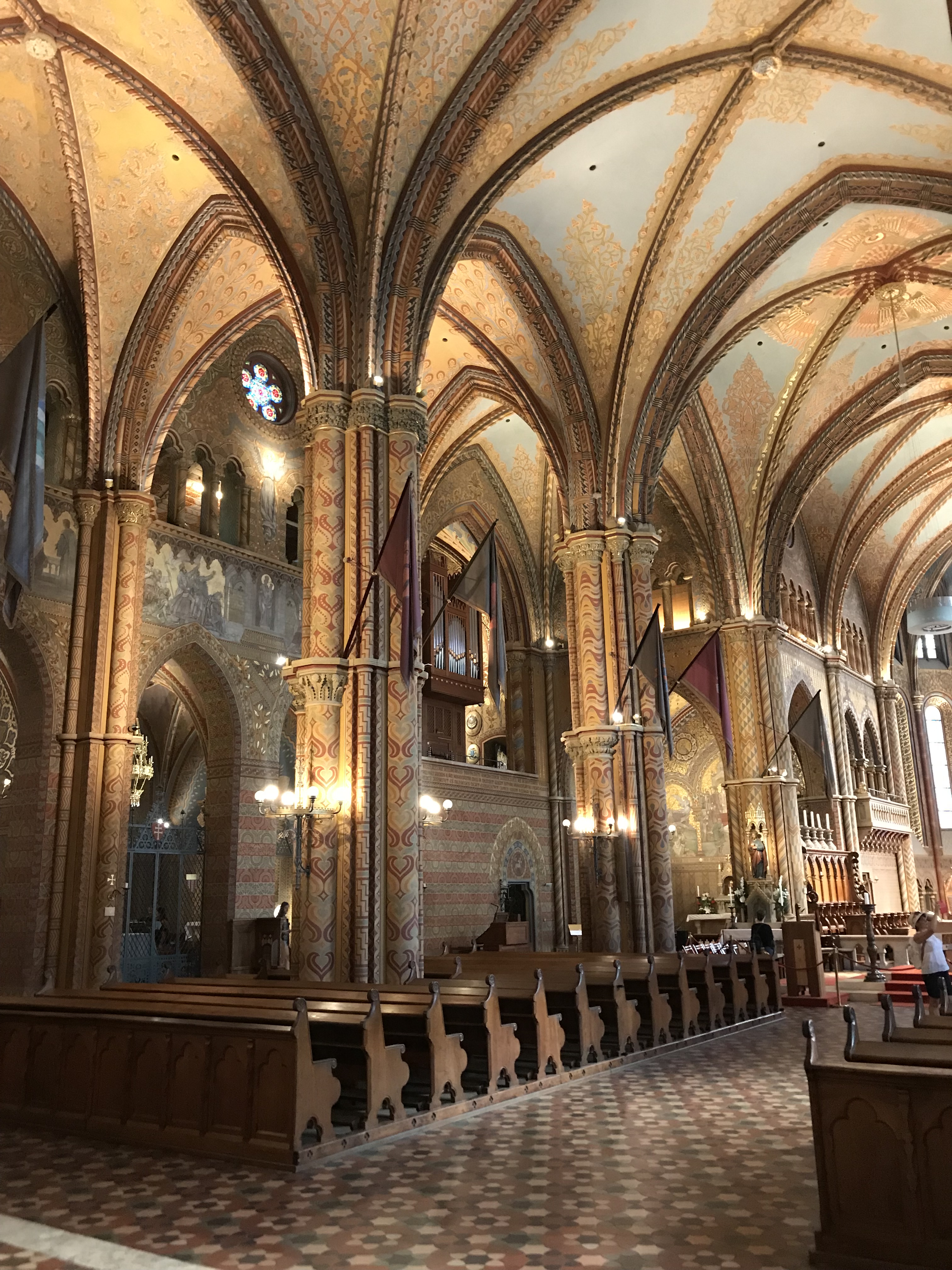
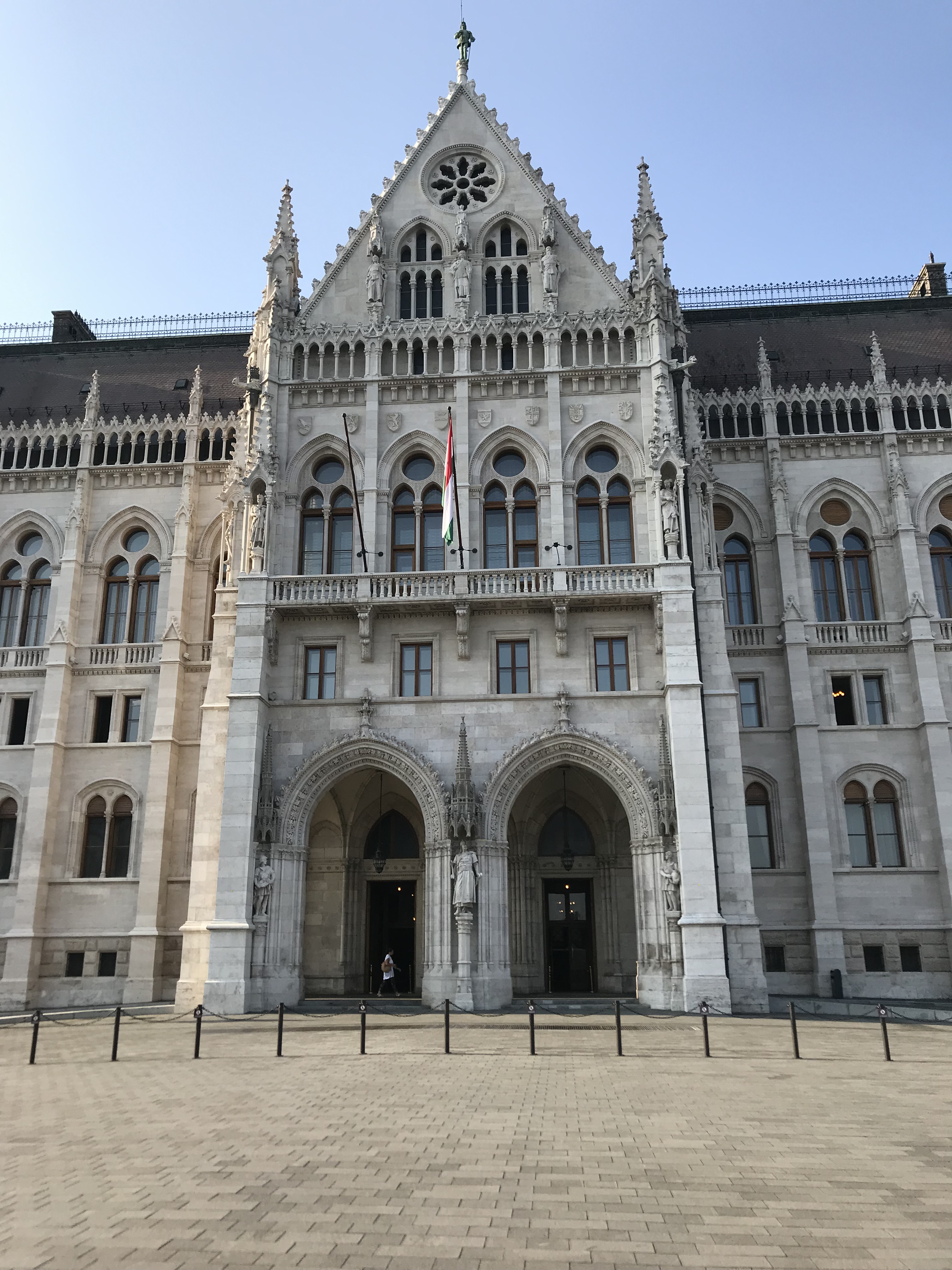
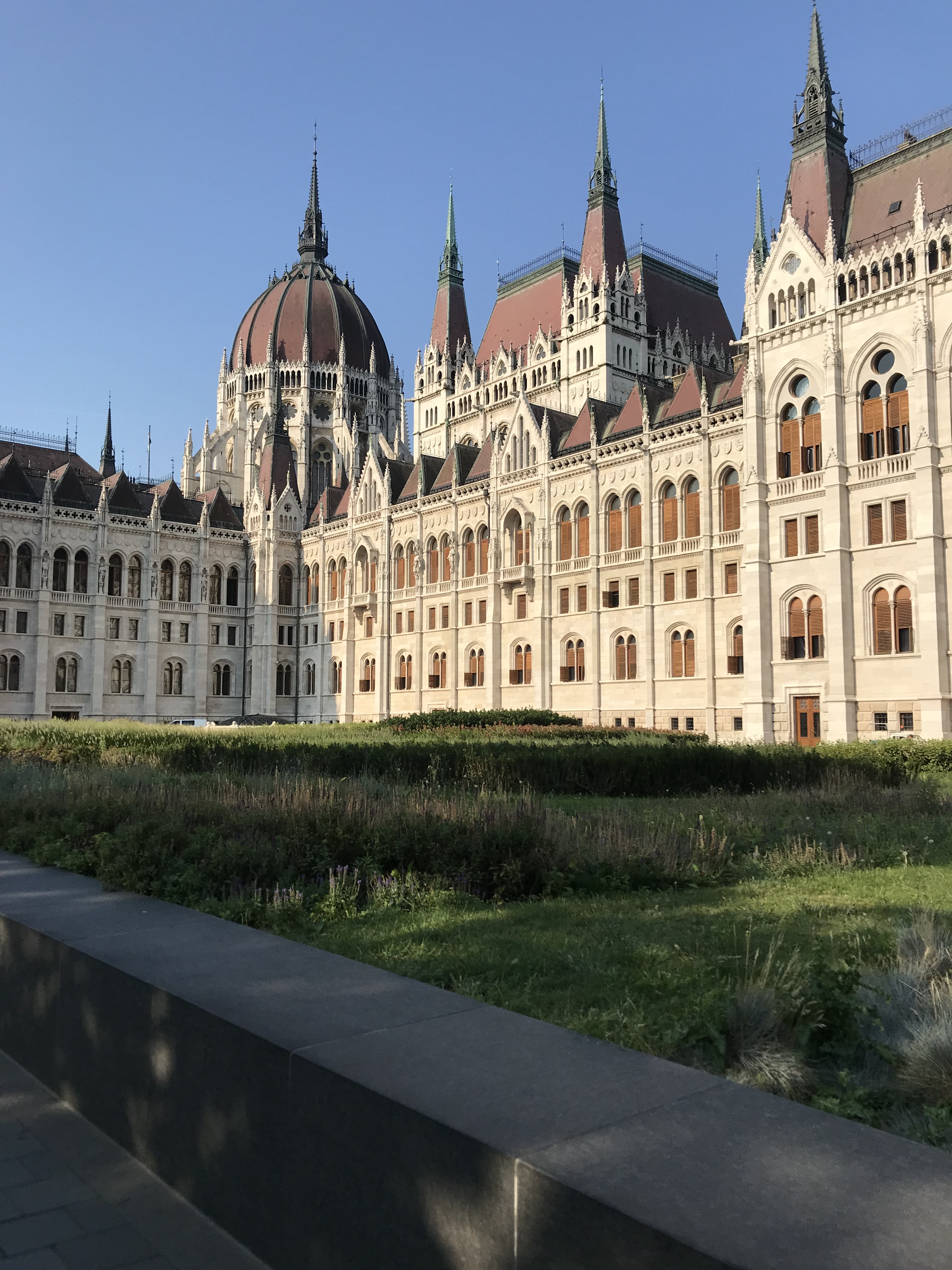
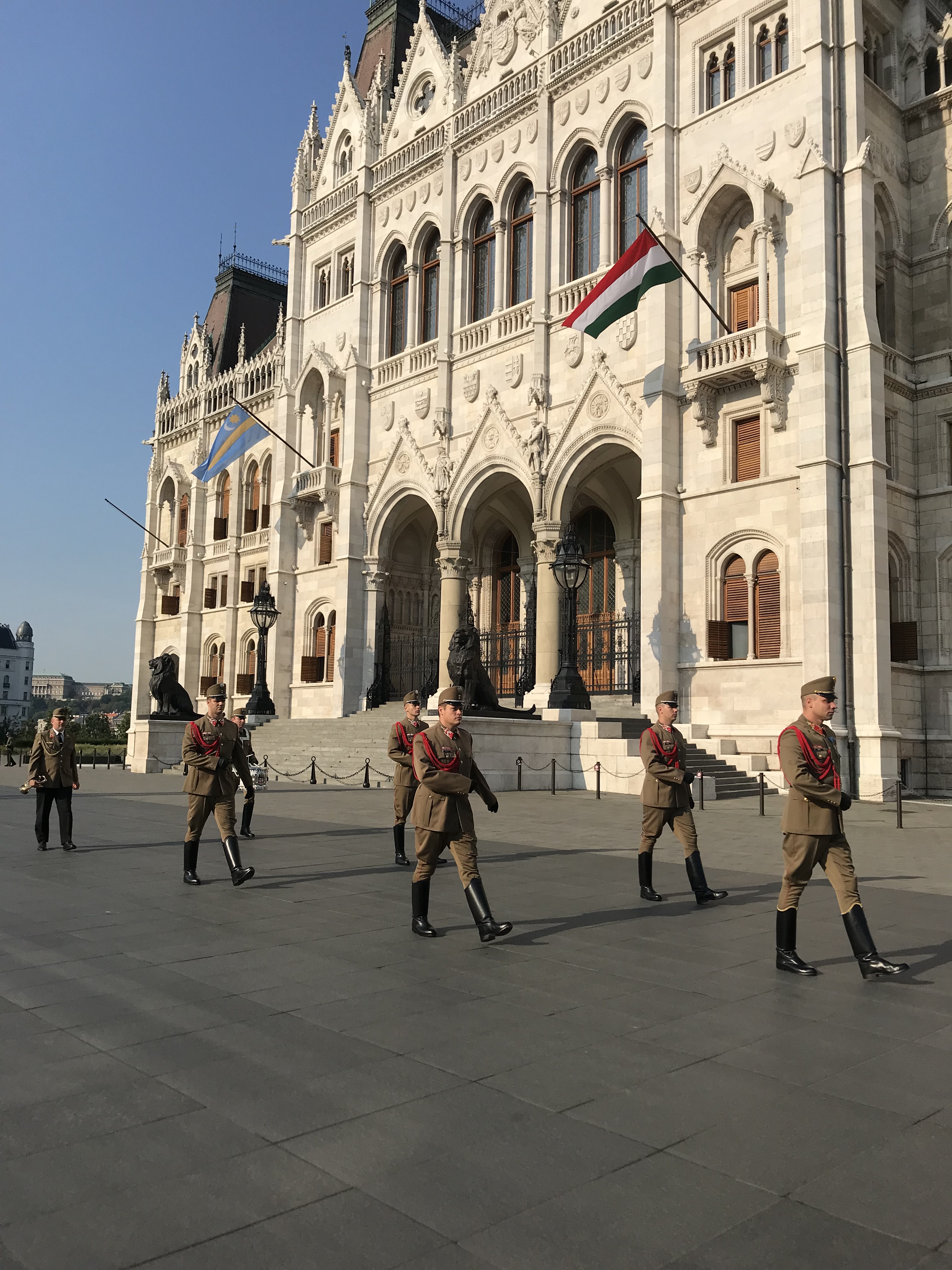
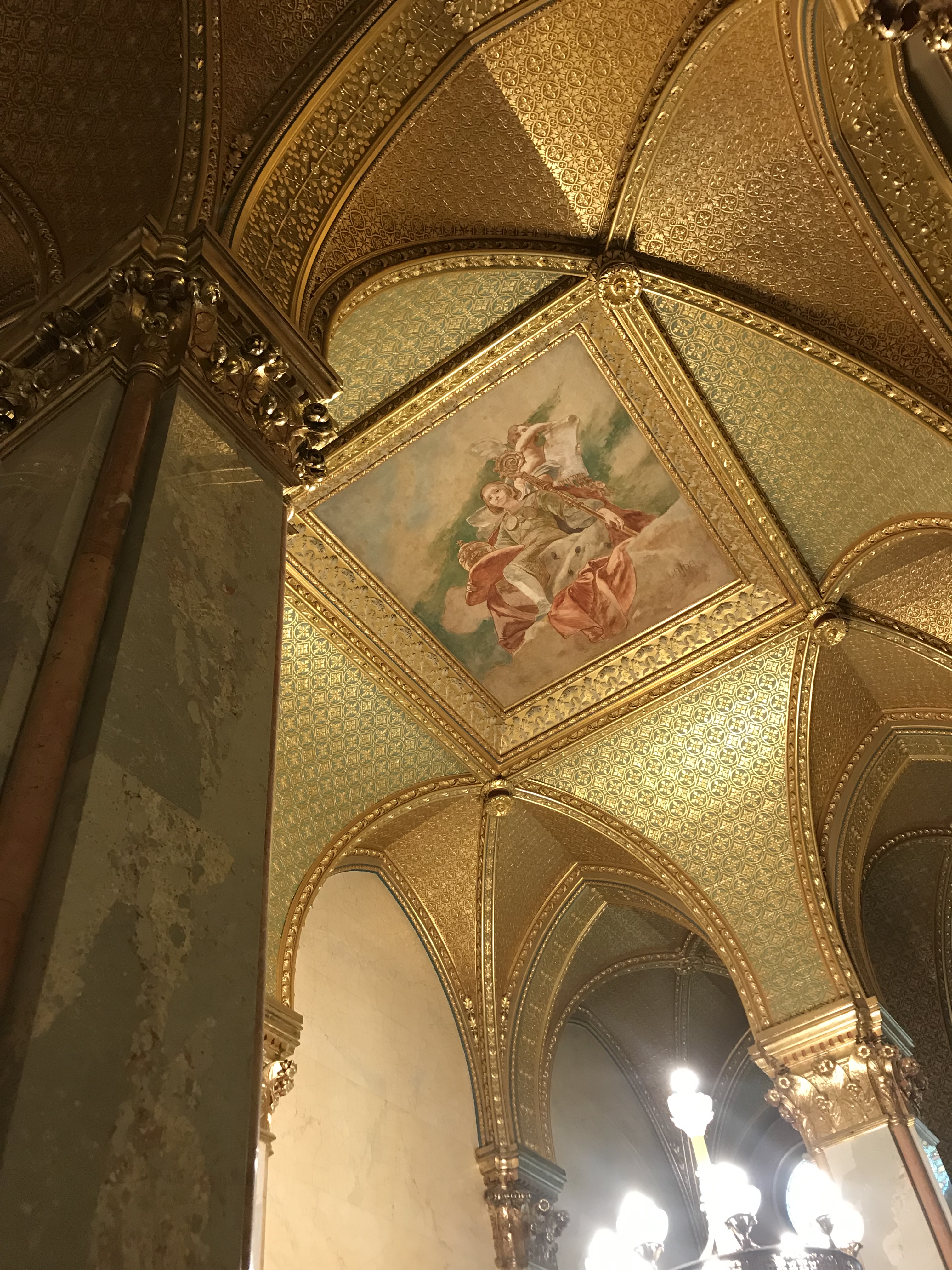
Got awed at Budapest, Hungary: From Roman Outpost to Imperial Jewel
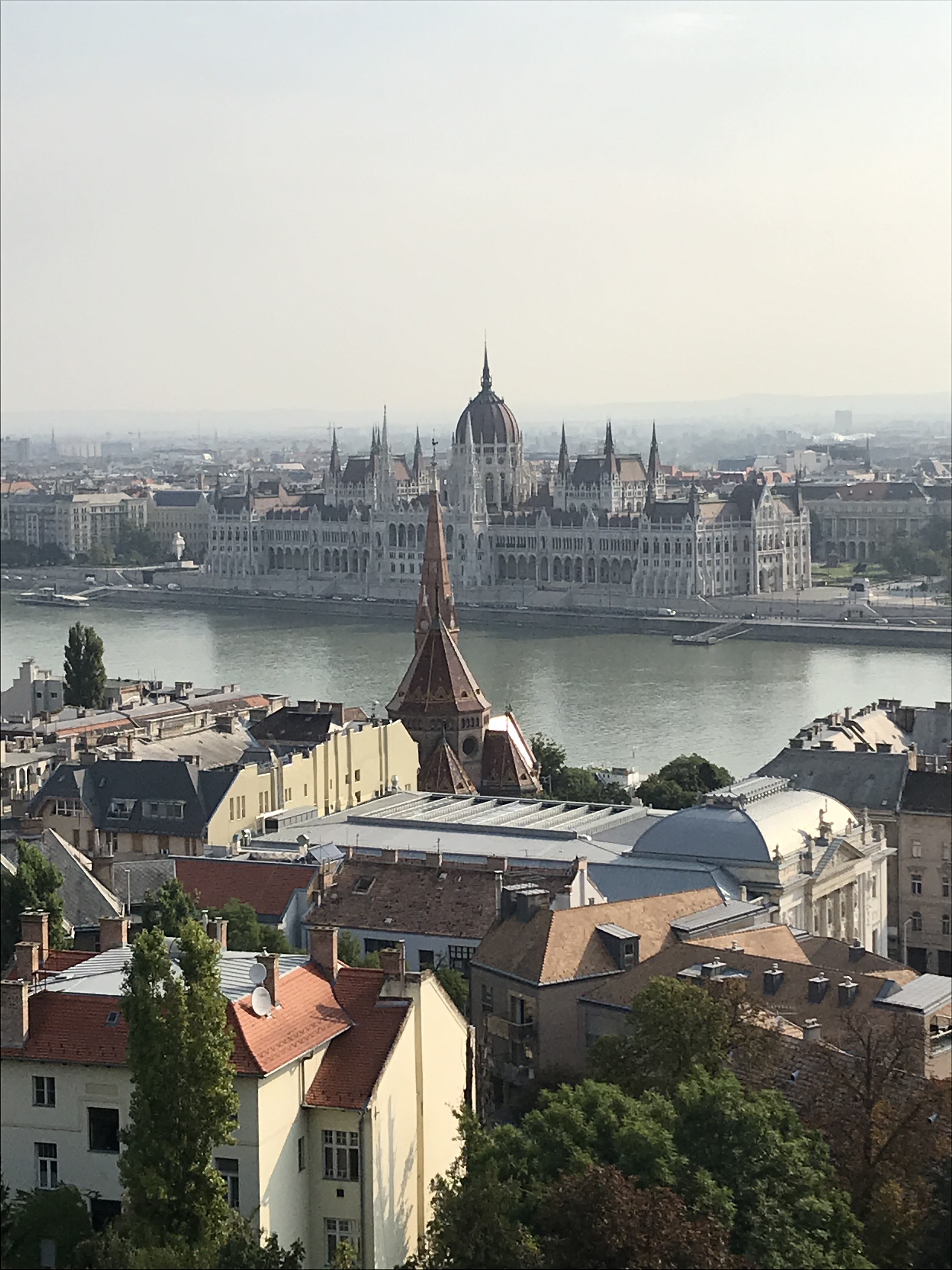
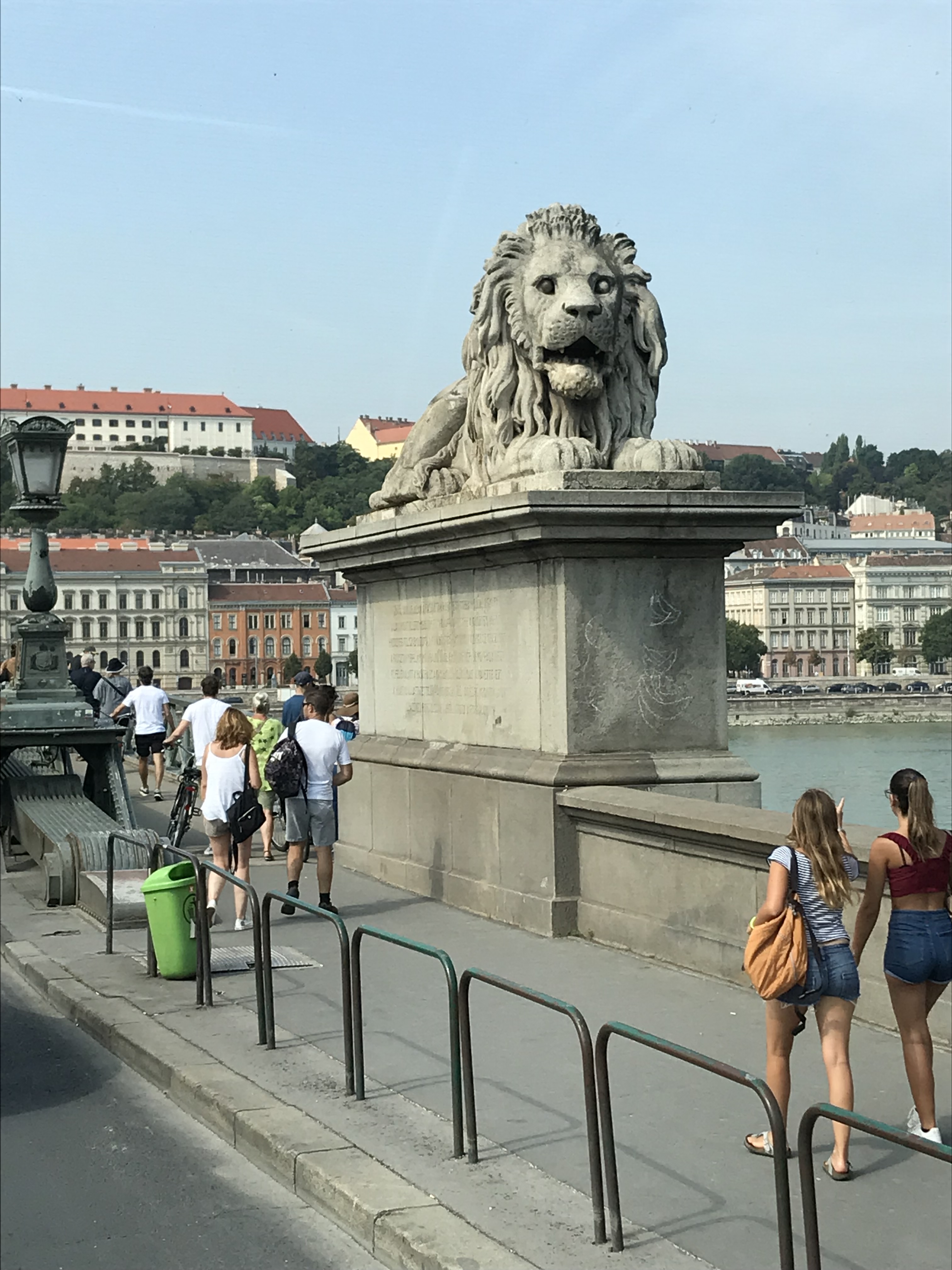
Budapest as we know it was unified in 1873 from three towns: Buda, Pest, and Óbuda. But its story starts much earlier — the Romans established a town here called Aquincum in the 1st century.
Historical Highlights:
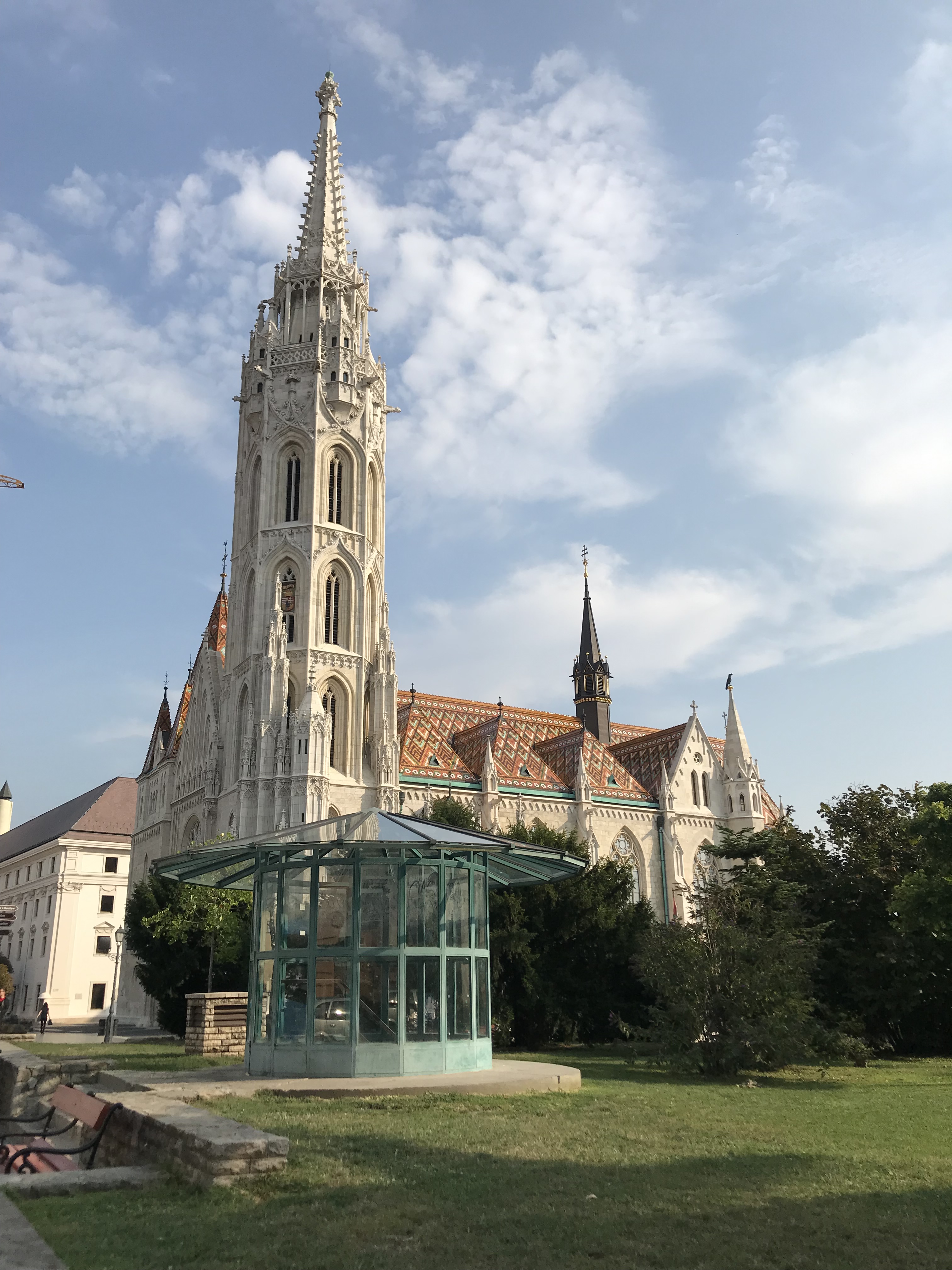
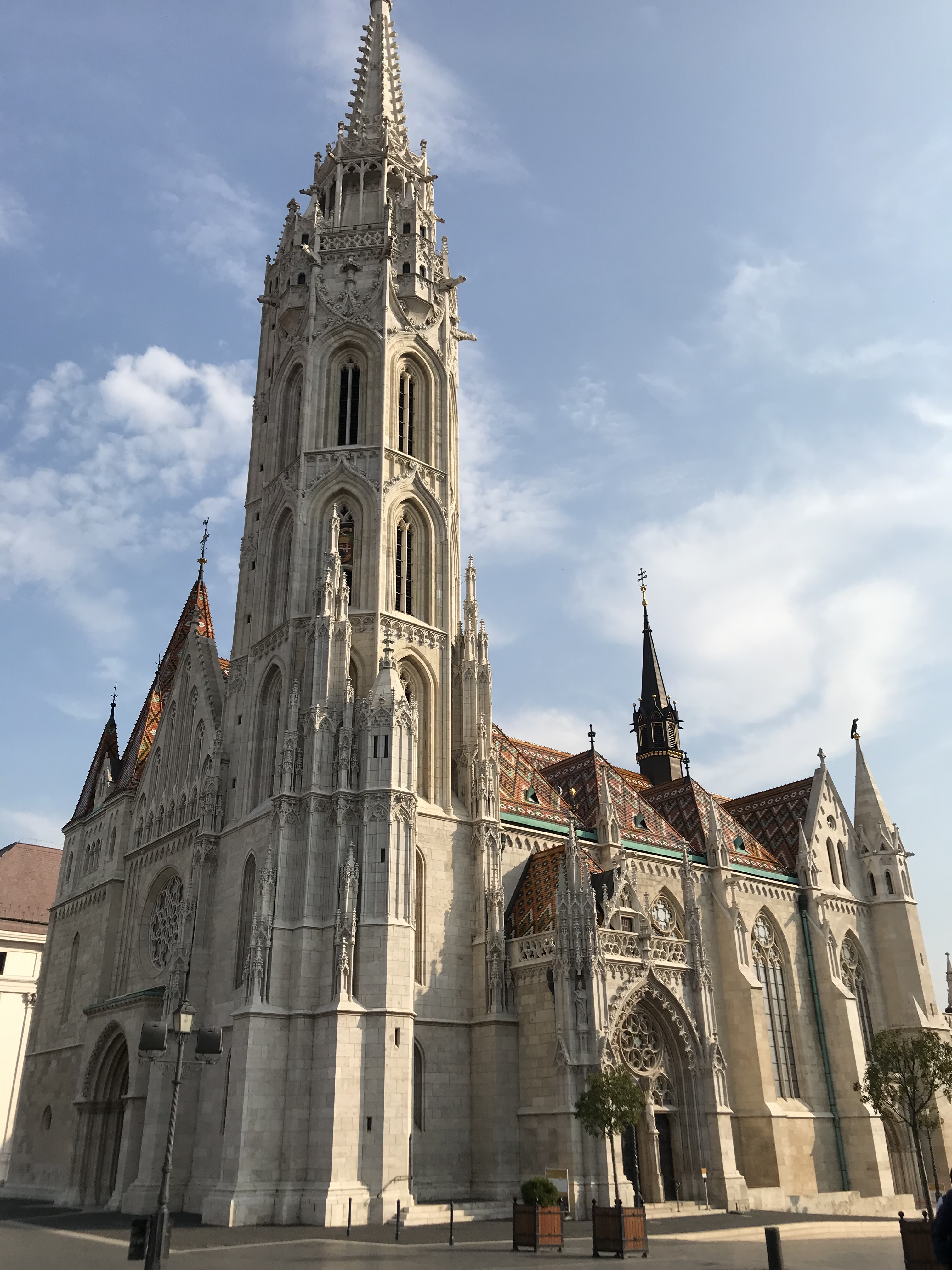
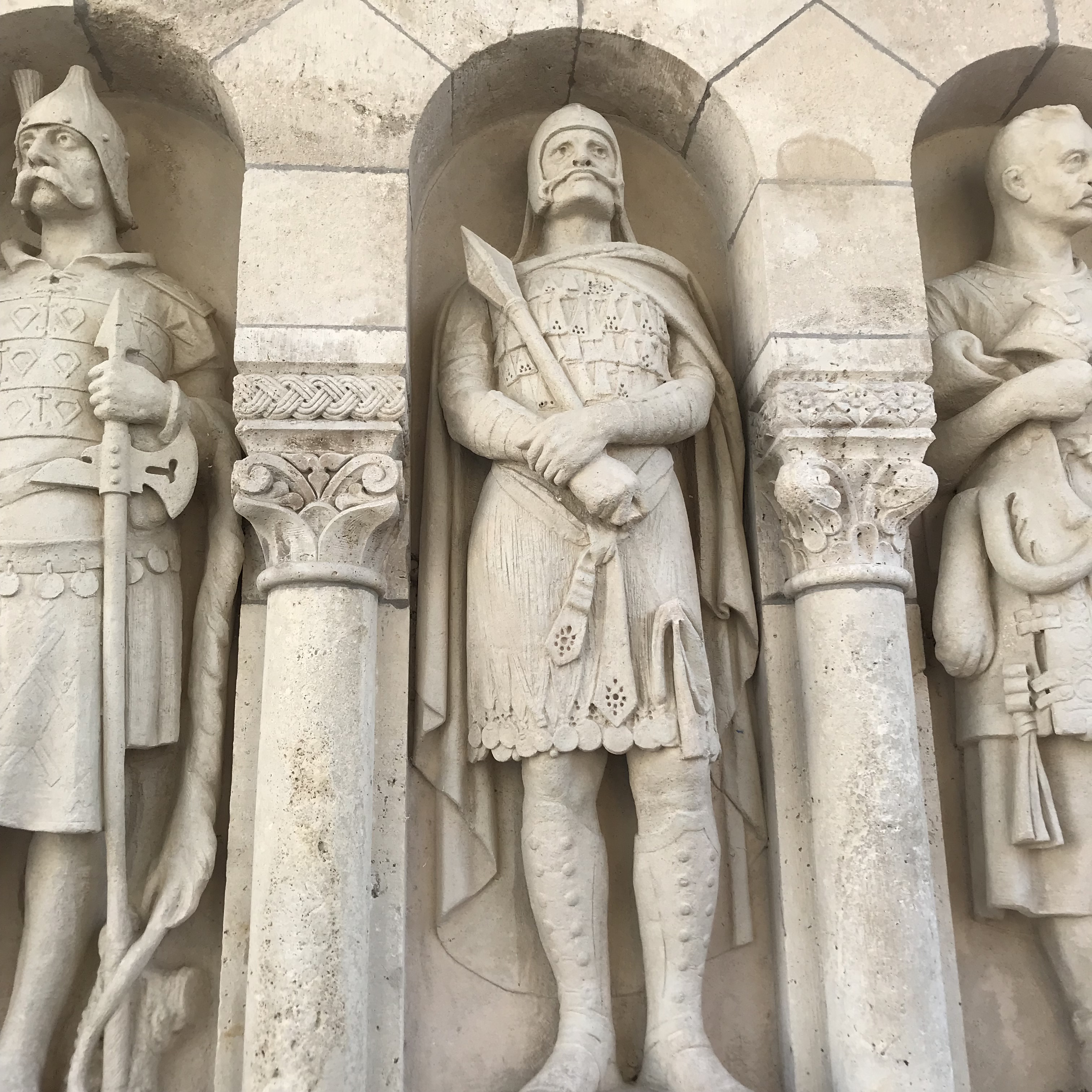
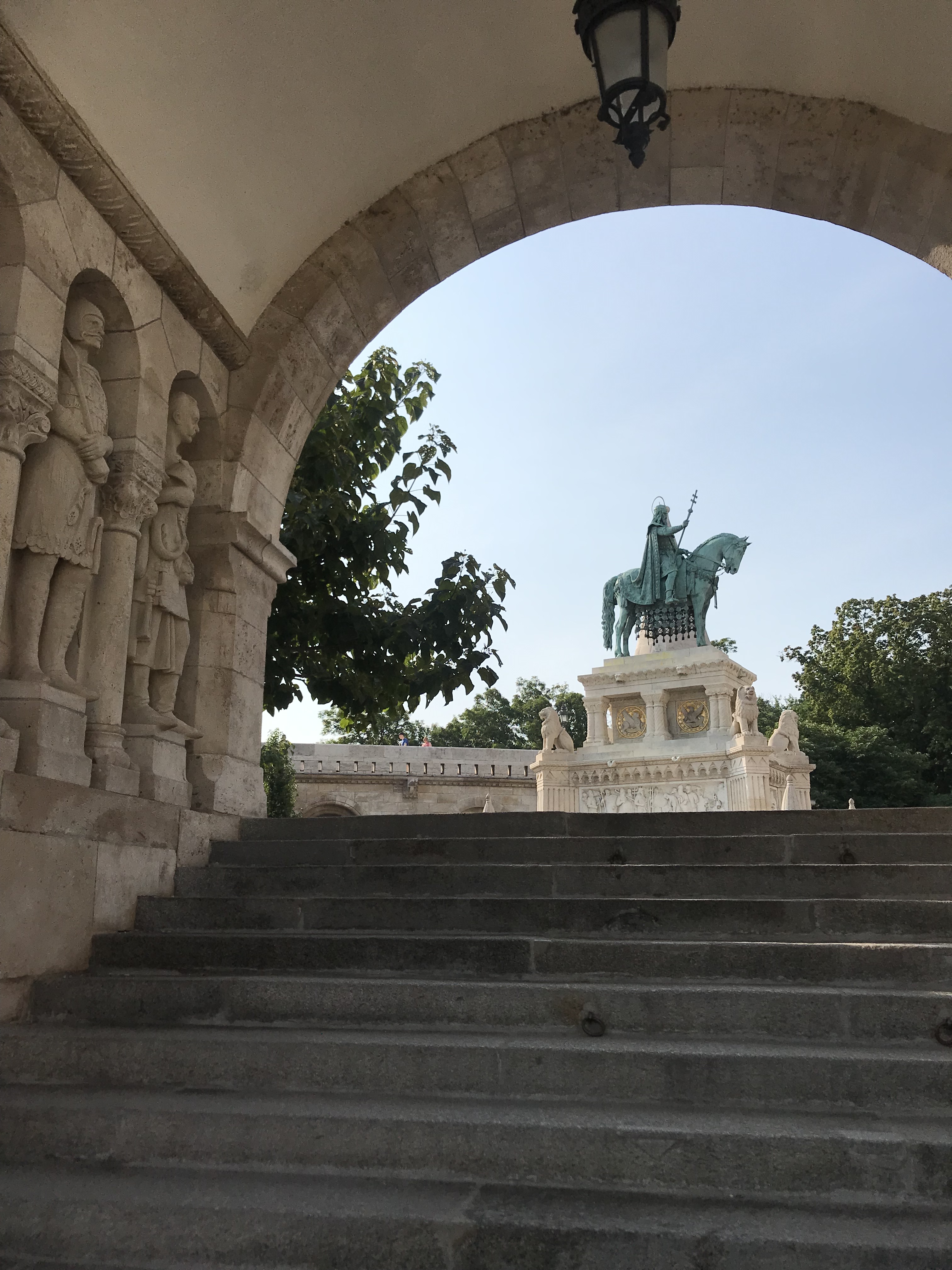
- Buda Castle has been razed and rebuilt several times since the 13th century, serving both Hungarian kings and Habsburg emperors.
- The Austro-Hungarian Compromise of 1867 elevated Budapest as a co-capital of the dual monarchy, leading to a boom in architecture and culture.
- Hungary suffered greatly in the 20th century — from fascism in WWII to decades under communist rule. The 1956 Hungarian Uprising was a brave but crushed rebellion against Soviet control.
Budapest today is a testament to endurance, blending romantic decay and architectural elegance with youthful rebellion and creativity.
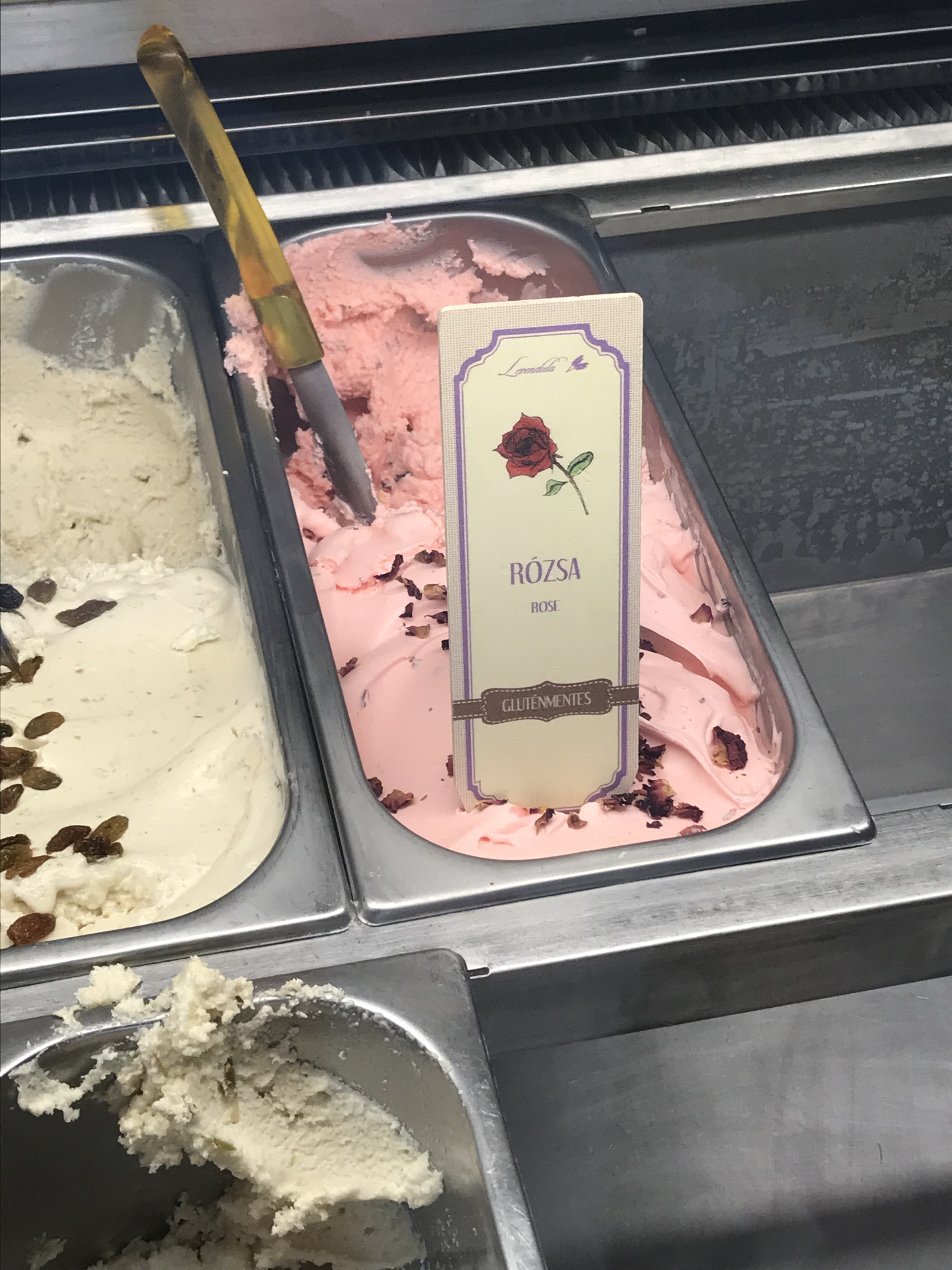
Budapest’s food is as intense and unforgettable as its architecture — rich, colorful, and unashamedly bold. Hungarian food is flavorful, spice-forward, and deeply tied to the country’s identity. Expect paprika, stews, and bold combinations.
Must-try food & drink:
- Gulyás (Goulash) – A paprika-spiced beef soup (not the thicker stew outsiders often imagine).
- Lángos – Deep-fried dough topped with sour cream, cheese, or garlic. Street food perfection.
- Chicken paprikash – Tender chicken in a creamy paprika sauce, served with nokedli (dumplings).
- Dobos Torte – A layered sponge cake with chocolate buttercream and a caramel top.
- Unicum or Pálinka – Hungarian herbal liqueur or fruit brandy for the brave.











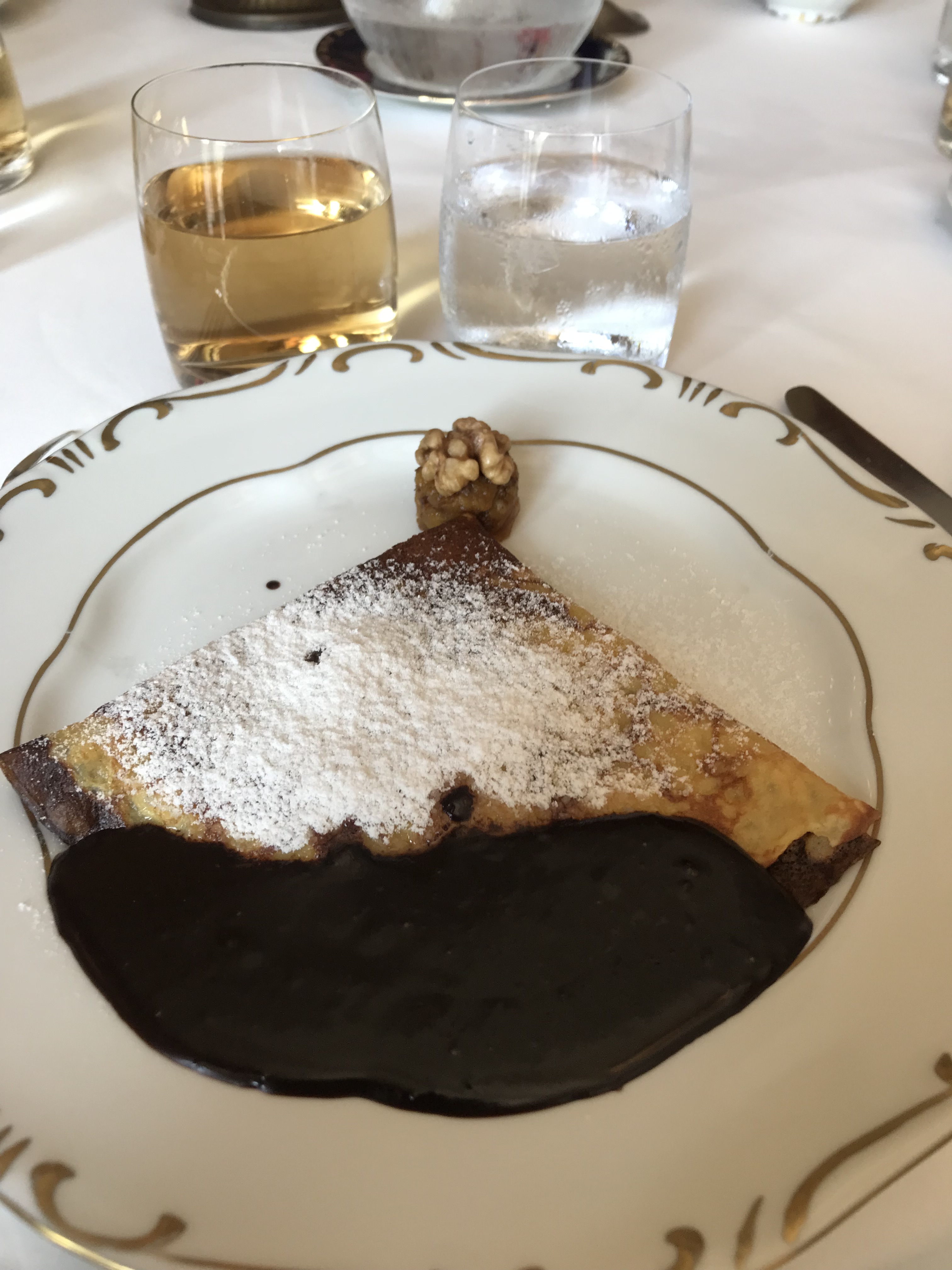
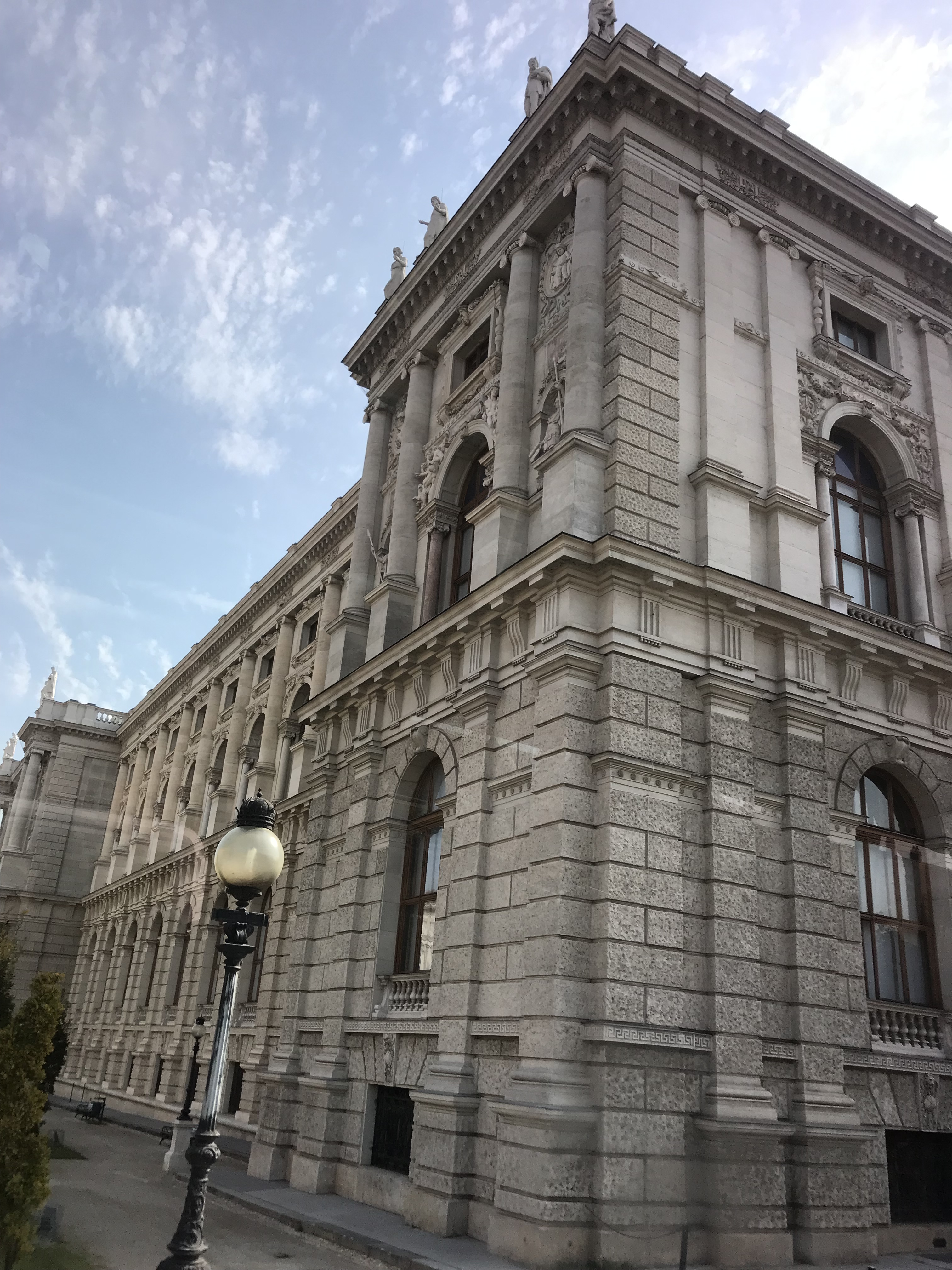
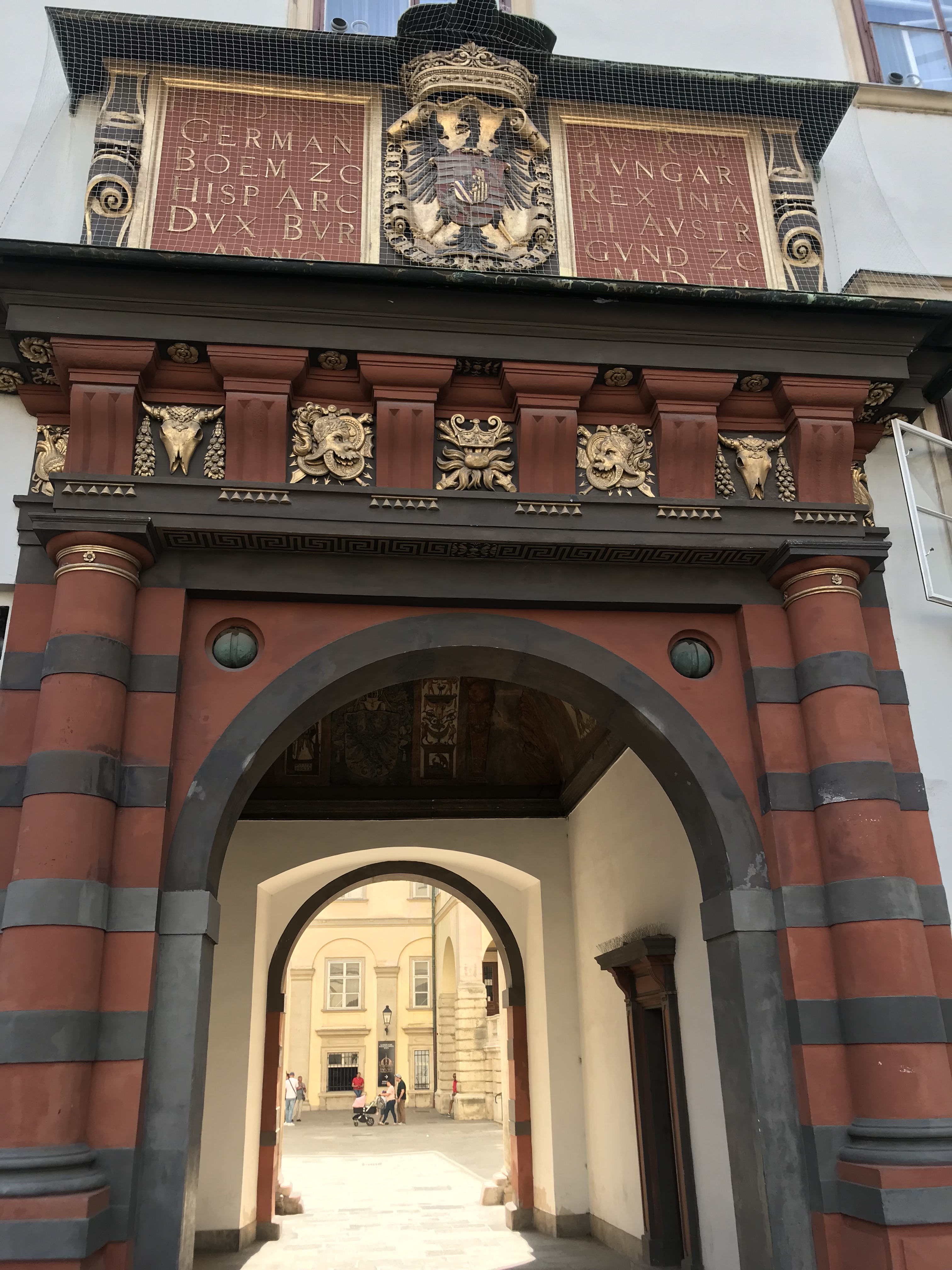
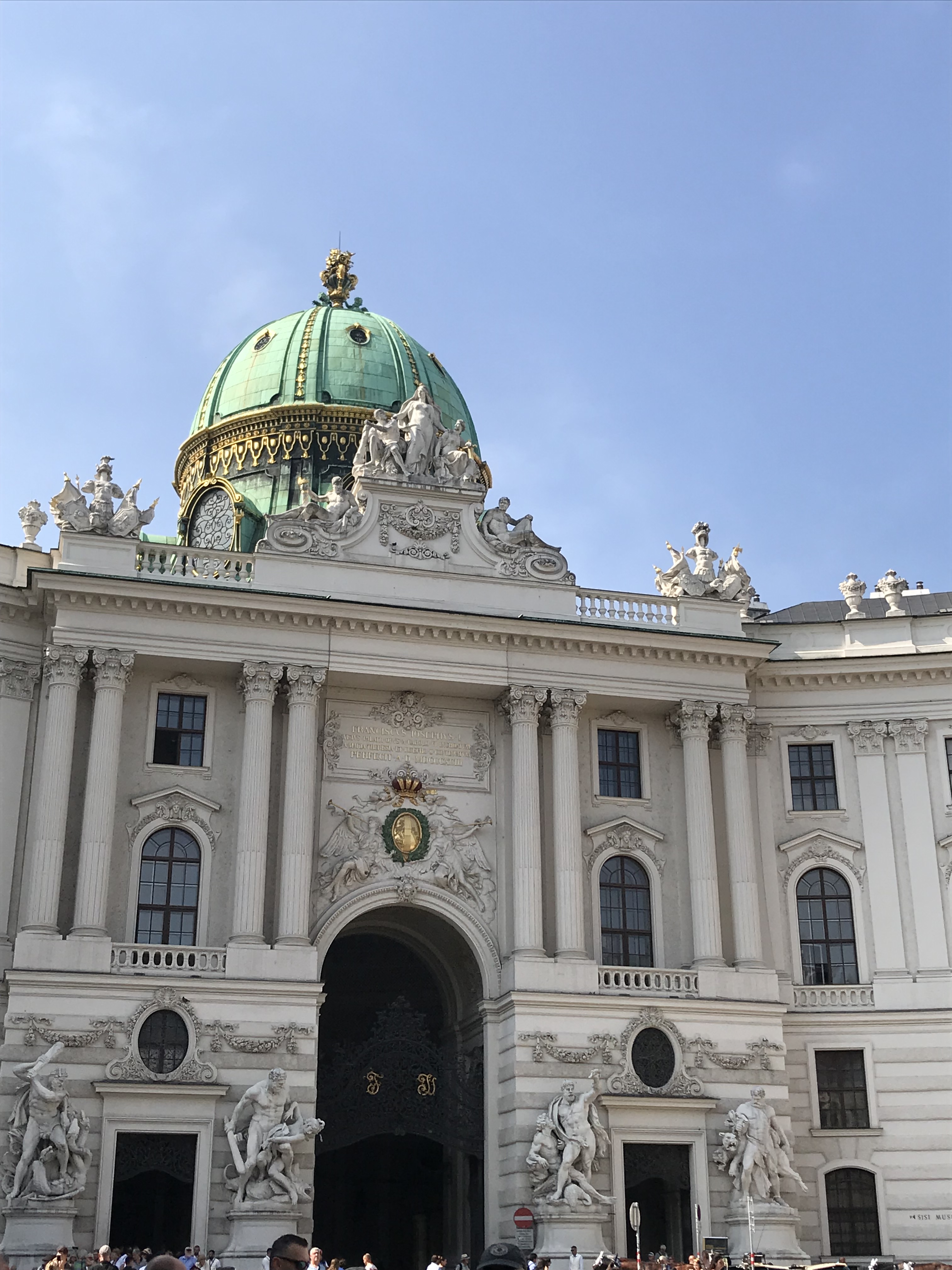
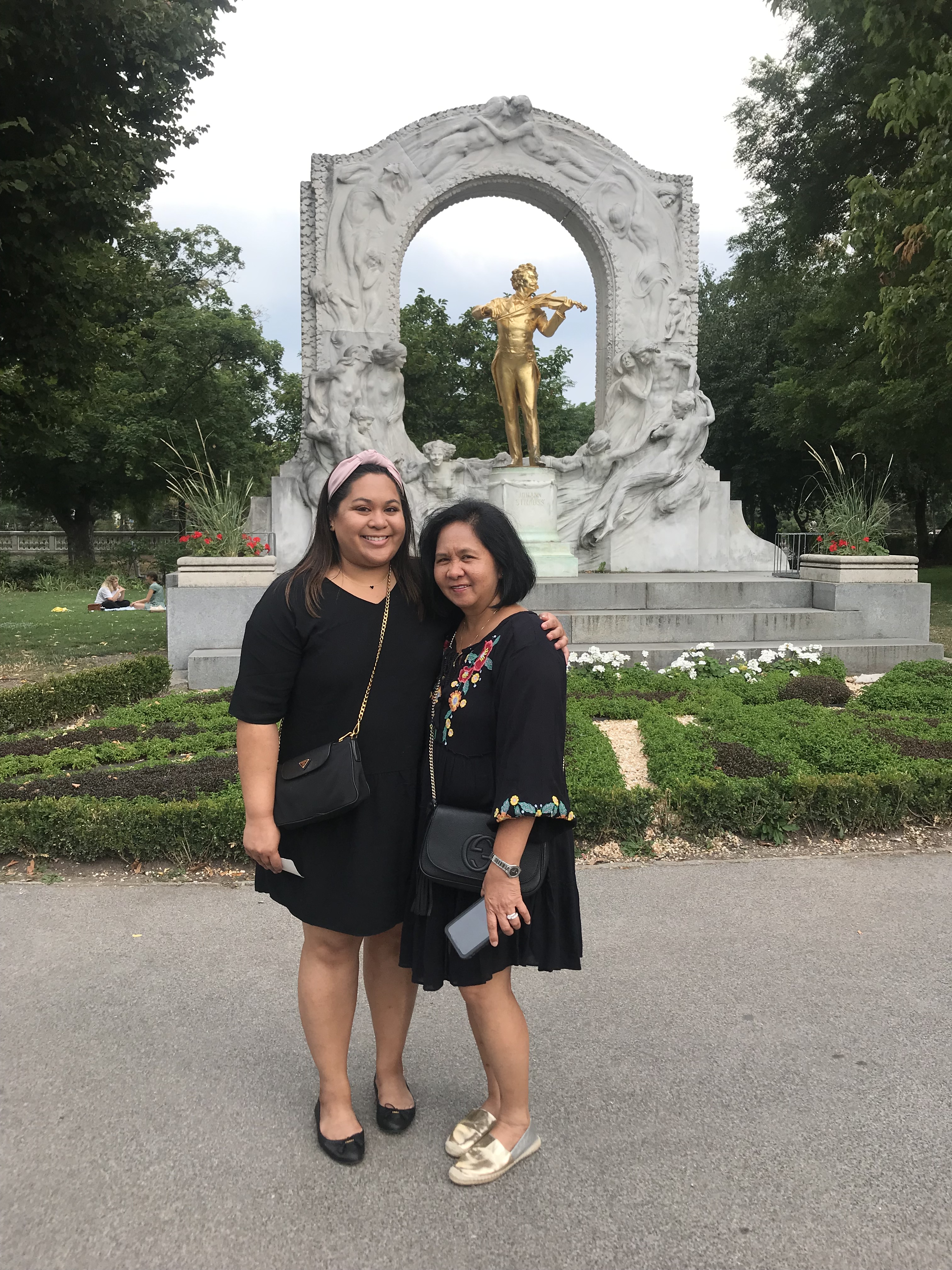
Then went to Vienna, Austria: Imperial Grandeur at Its Peak
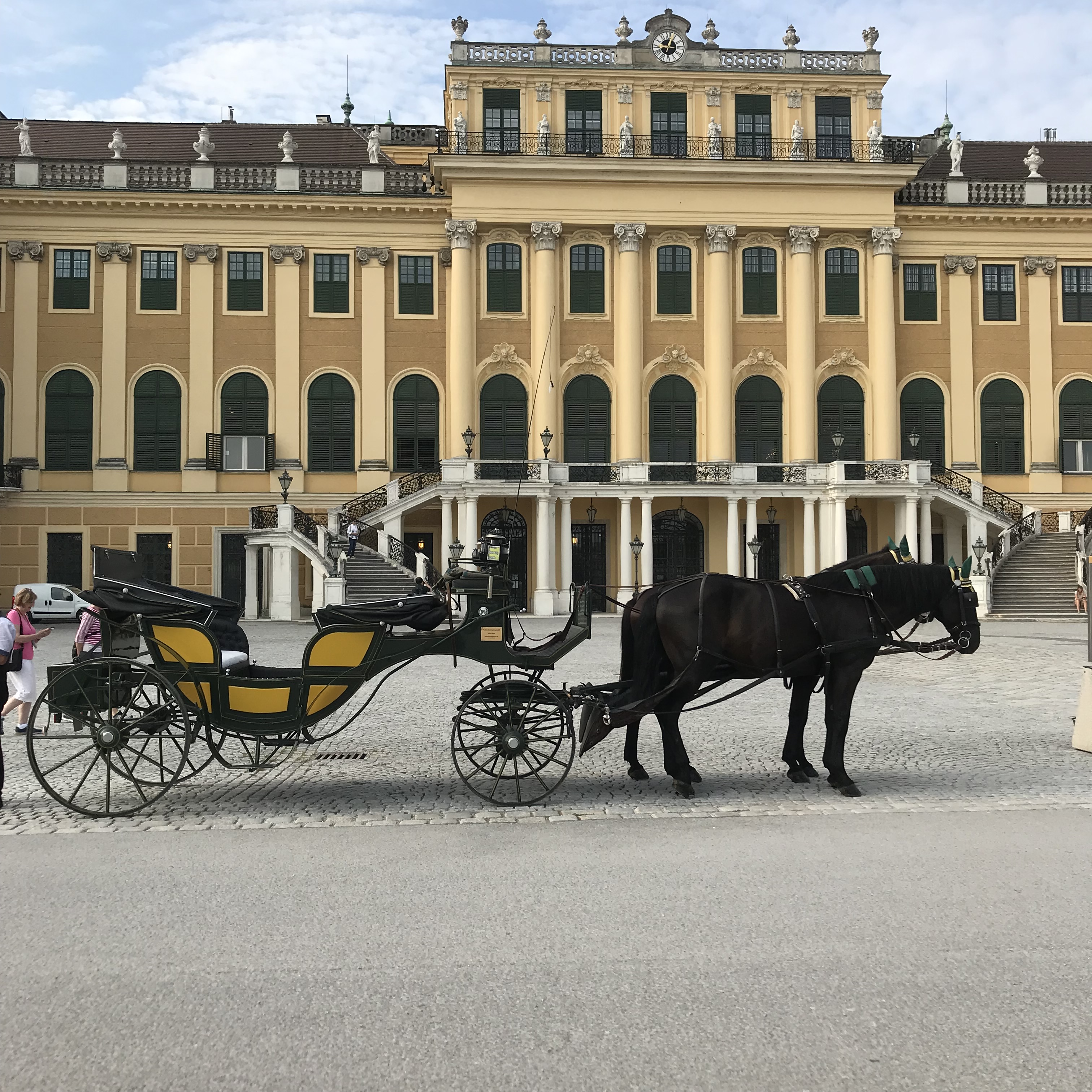
Few cities wear history as proudly as Vienna. Once the heart of the vast Habsburg Empire, it was home to emperors, composers, and philosophers who shaped Europe.
Historical Highlights:
- The Habsburg dynasty ruled from Vienna for over 600 years, creating a legacy of palaces, museums, and classical music.
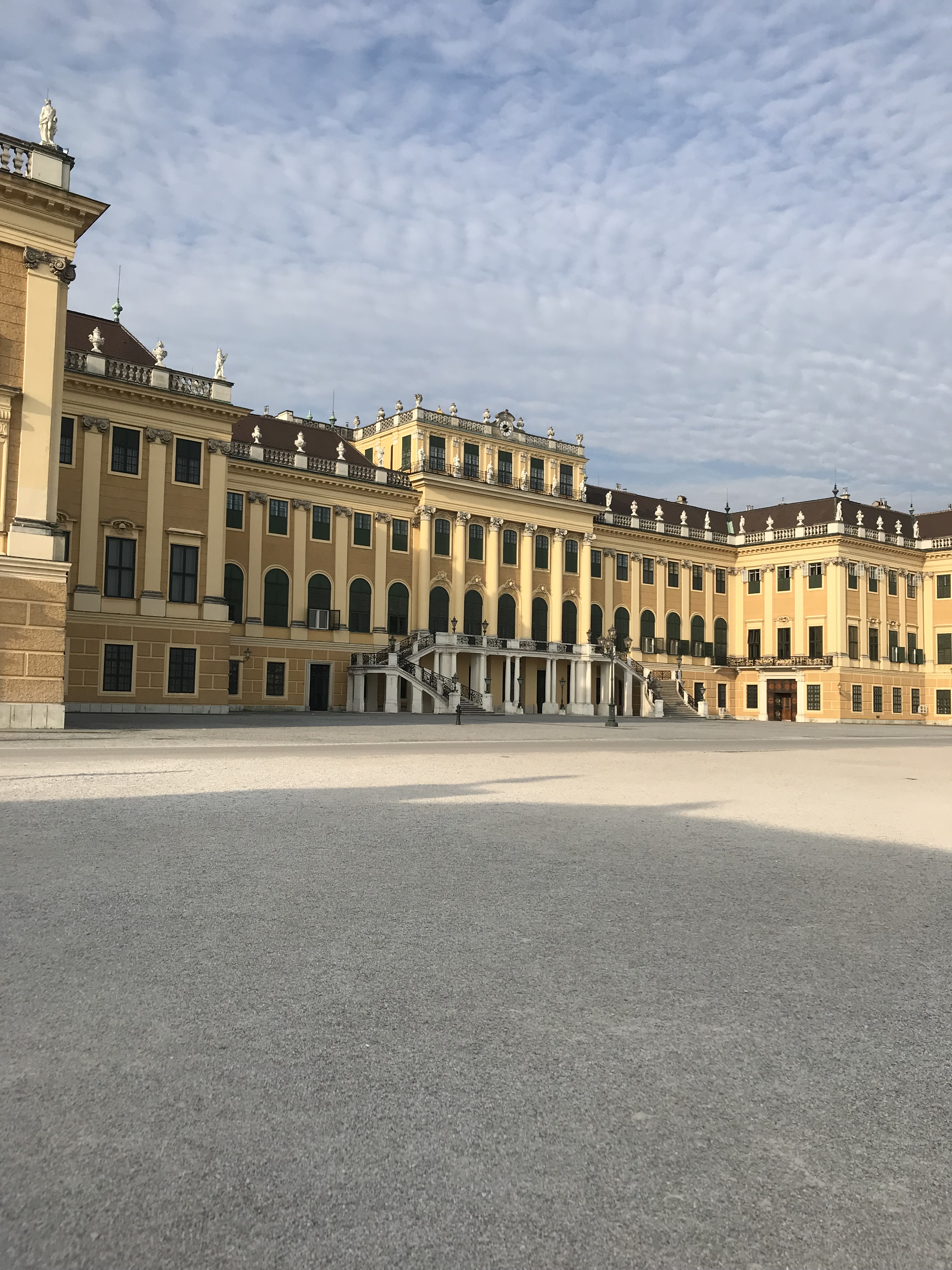
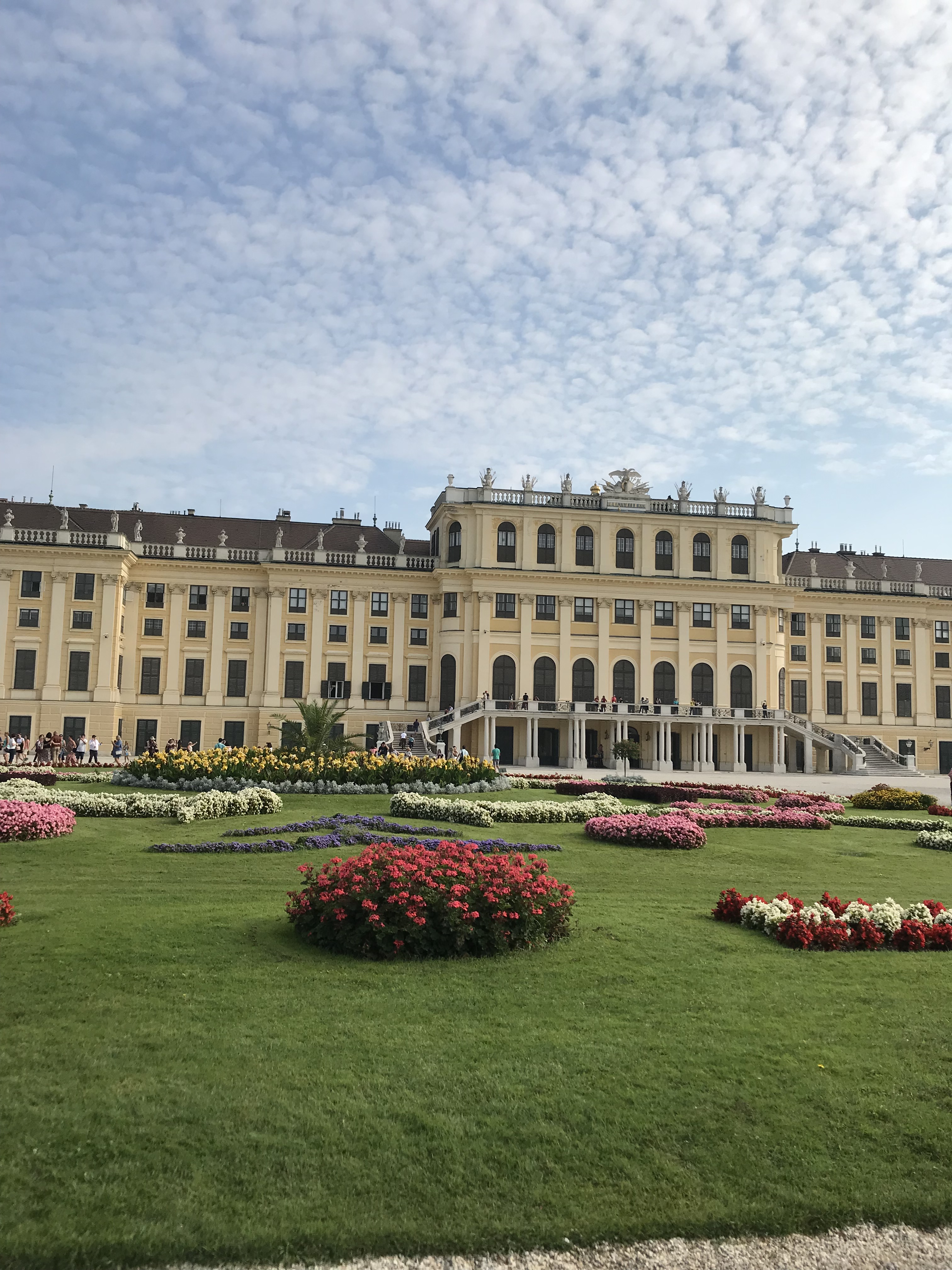
- Schönbrunn Palace was the summer residence of Empress Maria Theresa and later Emperor Franz Joseph.
- Vienna was a cultural melting pot in the 18th and 19th centuries — where Mozart, Beethoven, Freud, and Gustav Klimt all lived and worked.
- The city also played a key role in Cold War diplomacy, often serving as neutral ground between East and West.
Vienna is like an open-air museum — but alive, elegant, and always a step ahead in arts and ideas.
Vienna is refined in every way — especially in its food scene, where imperial legacy meets culinary elegance. Dining in Vienna feels like stepping into a period film — only better, because there’s dessert.
Must-try food & drink:
- Wiener Schnitzel – A crispy veal or pork cutlet, usually served with potato salad or lingonberries.
- Tafelspitz – Boiled beef in broth, traditionally served with apple-horseradish and chive sauce.
- Sachertorte – A dense chocolate cake with a thin layer of apricot jam, best enjoyed at the original Café Sacher.
- Kaiserschmarrn – Shredded pancakes with powdered sugar and plum compote — an emperor’s favorite.
- Melange – Vienna’s answer to the cappuccino, served in the city’s famous cafés like Café Central or Café Sperl.







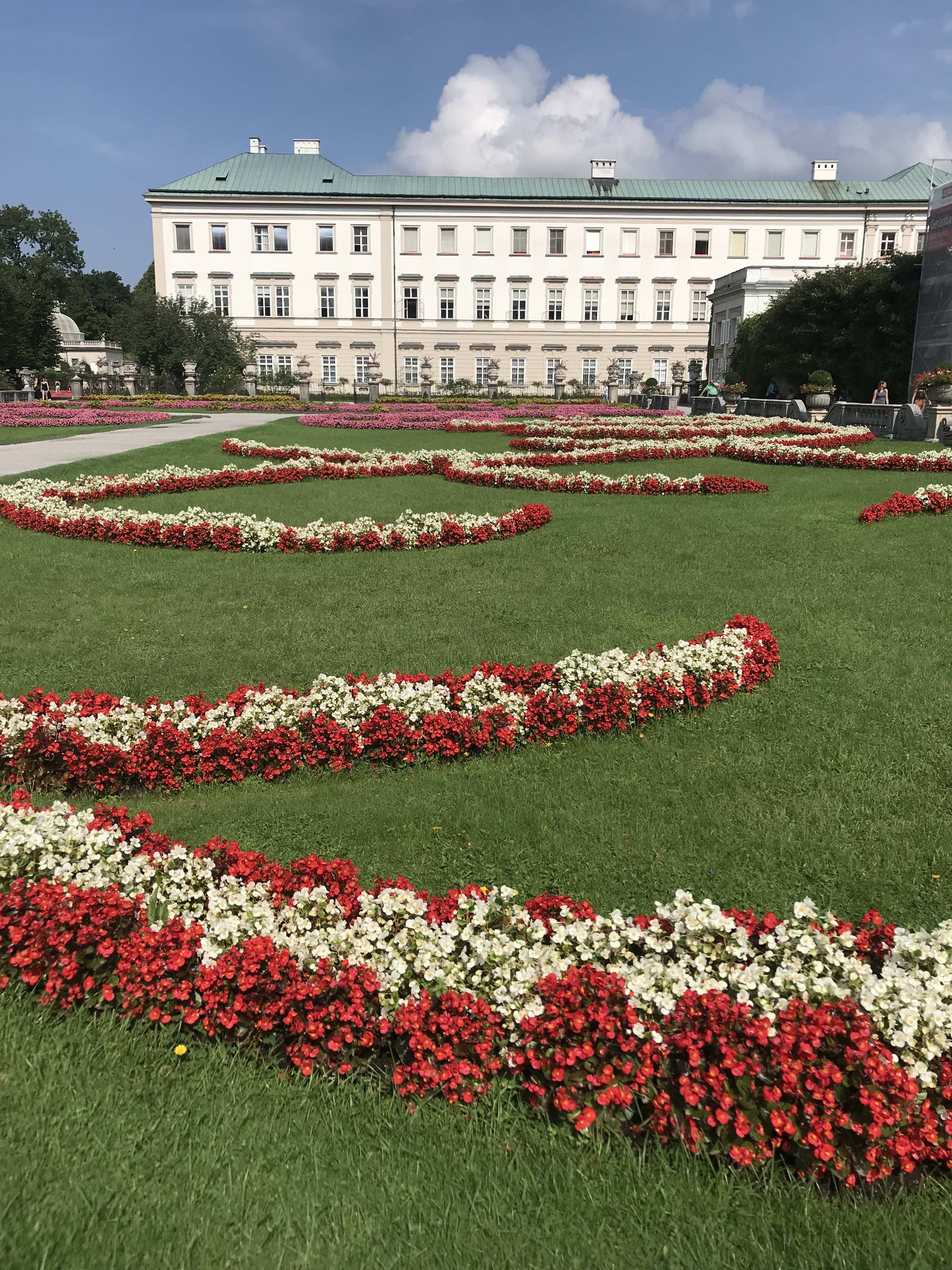
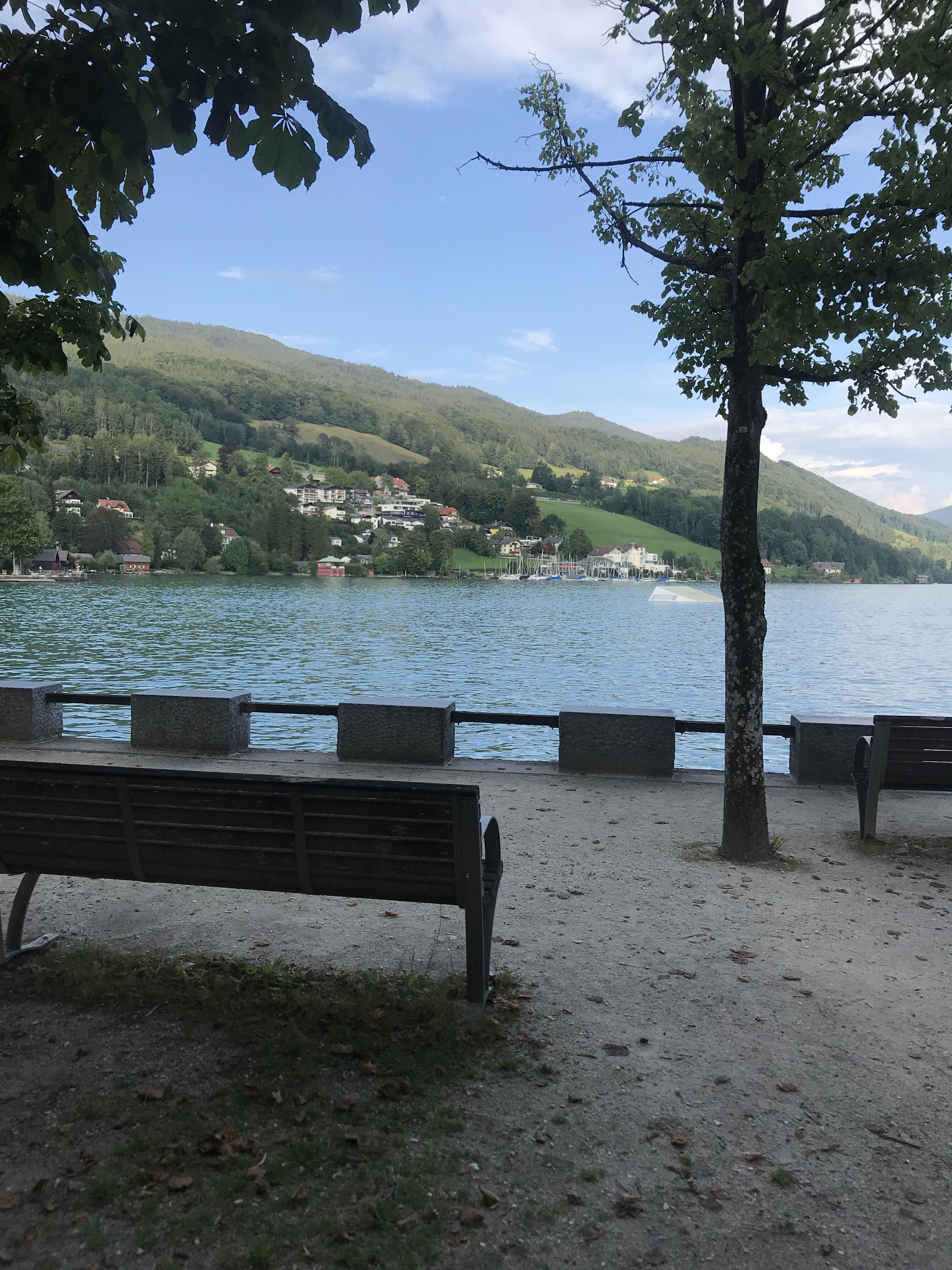
Next was my surprisingly favorite, Salzburg, Austria: A Baroque Jewel in the Alps
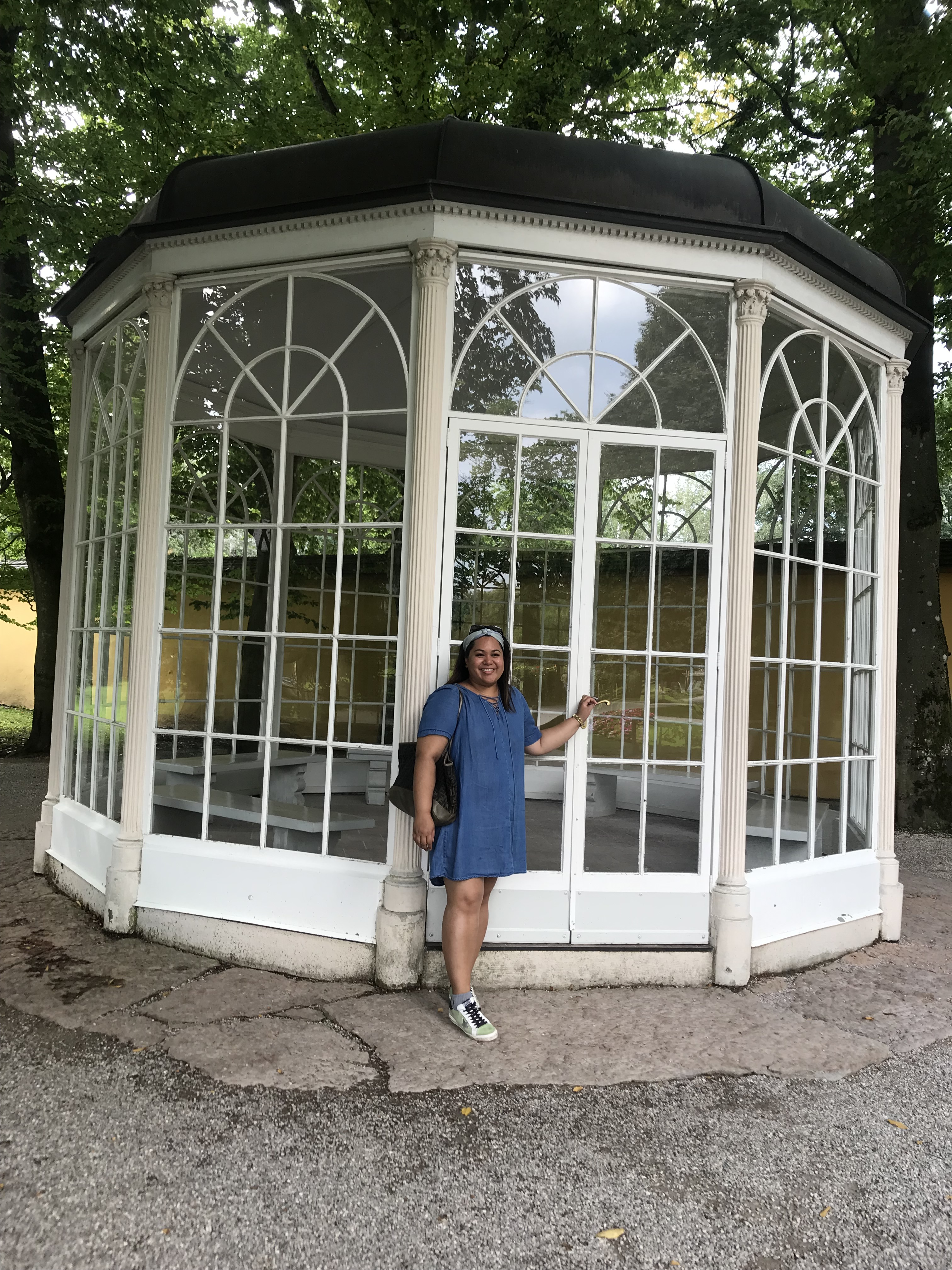
Salzburg, nestled between mountains and rivers, is known worldwide as the birthplace of Wolfgang Amadeus Mozart and the filming location for The Sound of Music. But its history goes back even further. We went on the Sound of Music tour which I thought would be cheesy, but I actually really enjoyed it.
Historical Highlights:
- The city was founded as a Roman settlement (Juvavum) and later became a powerful archbishopric during the Middle Ages.
- Its wealth came from salt (“Salz” in German), which was traded throughout the region — hence the name Salzburg.
- The city’s baroque architecture was heavily influenced by Italian design during the 17th century, especially under Prince-Archbishop Wolf Dietrich.
Despite its small size, Salzburg has had an outsized impact on European music and religious history — all with an Alpine backdrop.
Salzburg’s cuisine is influenced by mountain traditions and classical elegance — not unlike Mozart’s music or the Sound of Music landscapes. Salzburg’s food is both comforting and elevated — ideal for unwinding after castle visits or concert halls.
Must-try food & drink:
- Salzburger Nockerl – A light, fluffy dessert soufflé shaped like the surrounding Alps, often served for two.
- Kasnocken – Austrian-style cheesy dumplings topped with crispy onions, perfect after a hike or castle climb.
- Bosna – A spicy sausage sandwich, popular street food found around the Old Town.
- Mozartkugeln – Chocolate-coated balls filled with pistachio marzipan and nougat, a tribute to the city’s famous son.










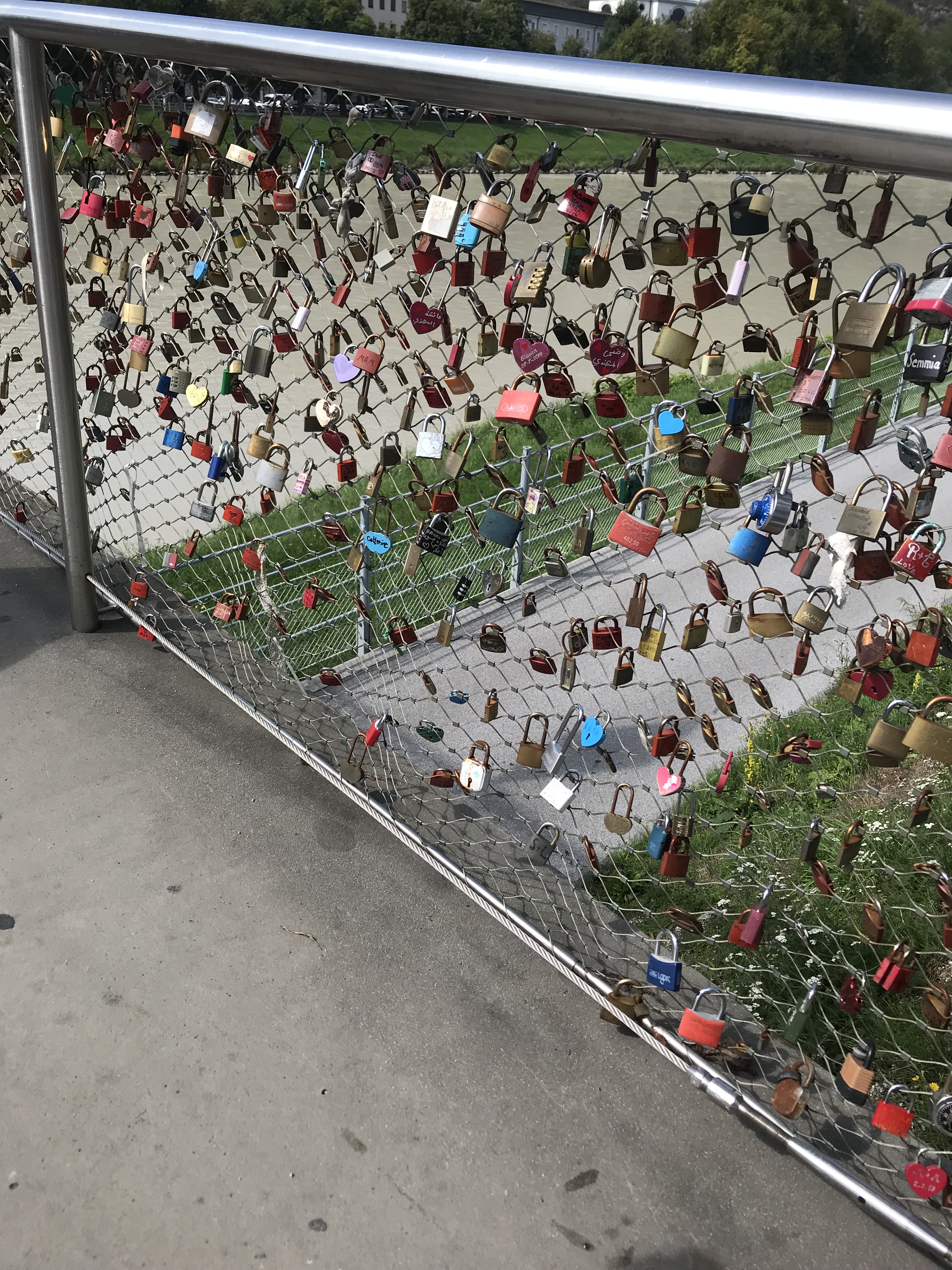
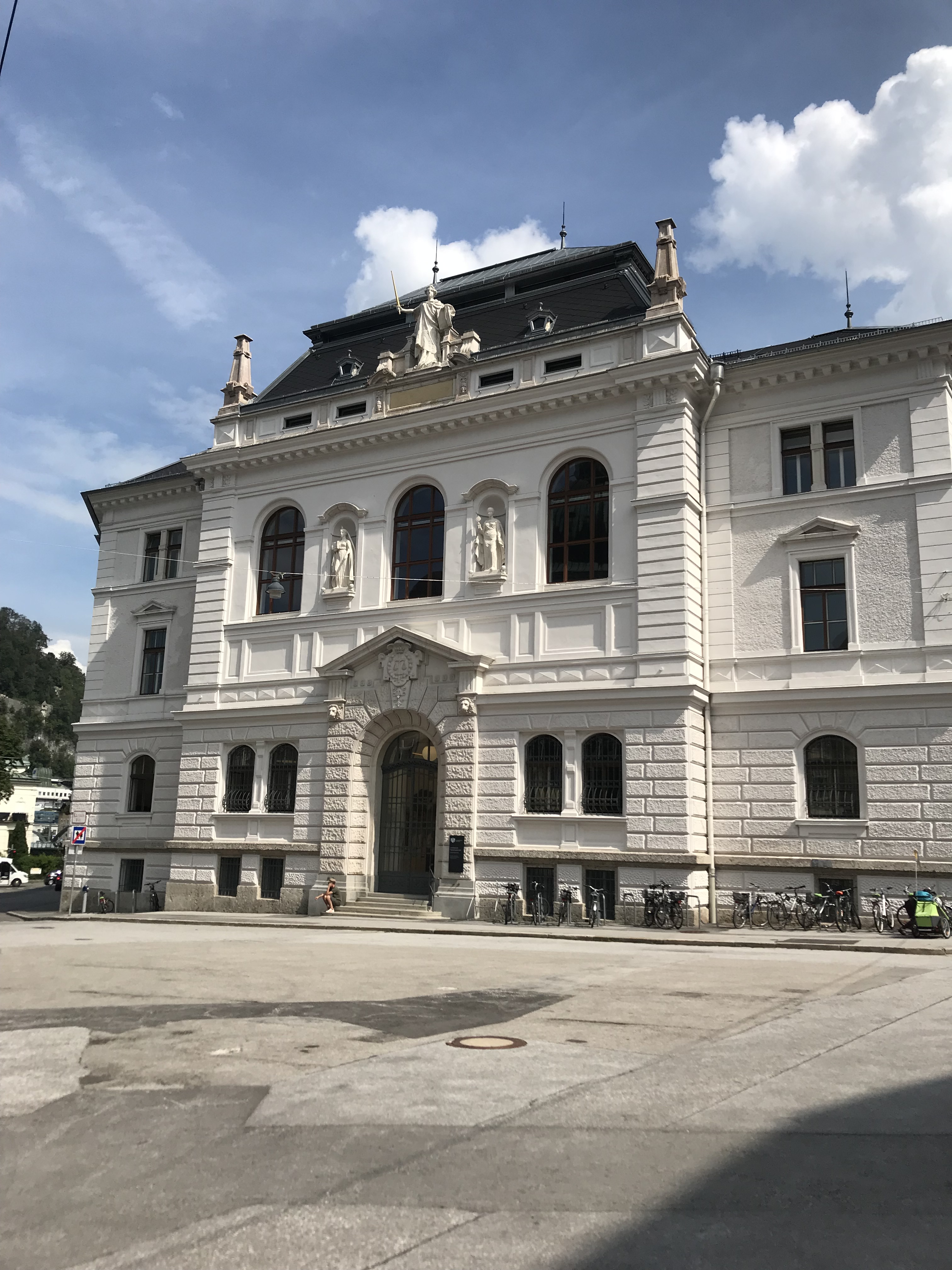
From the battle-scarred walls of Buda Castle to the imperial ballrooms of Vienna, and the cobbled lanes of Prague to the classical notes echoing in Salzburg, this trip wasn’t just about checking off destinations. It was a walk through the rise and fall of empires, revolutions, rebirths — and the enduring spirit of Europe.
 karenabiogmiller.com