
When we started planning our wedding, we knew one thing for certain—we wanted it to feel deeply personal and reflective of us as a couple. I’ve always loved a good theme, so it only felt natural that our wedding would have one too. We chose “Love is a Work of Art”—a phrase that captured not only how we view our relationship, but also how we wanted to celebrate it with our friends and family.
The First Easter Egg: The Met
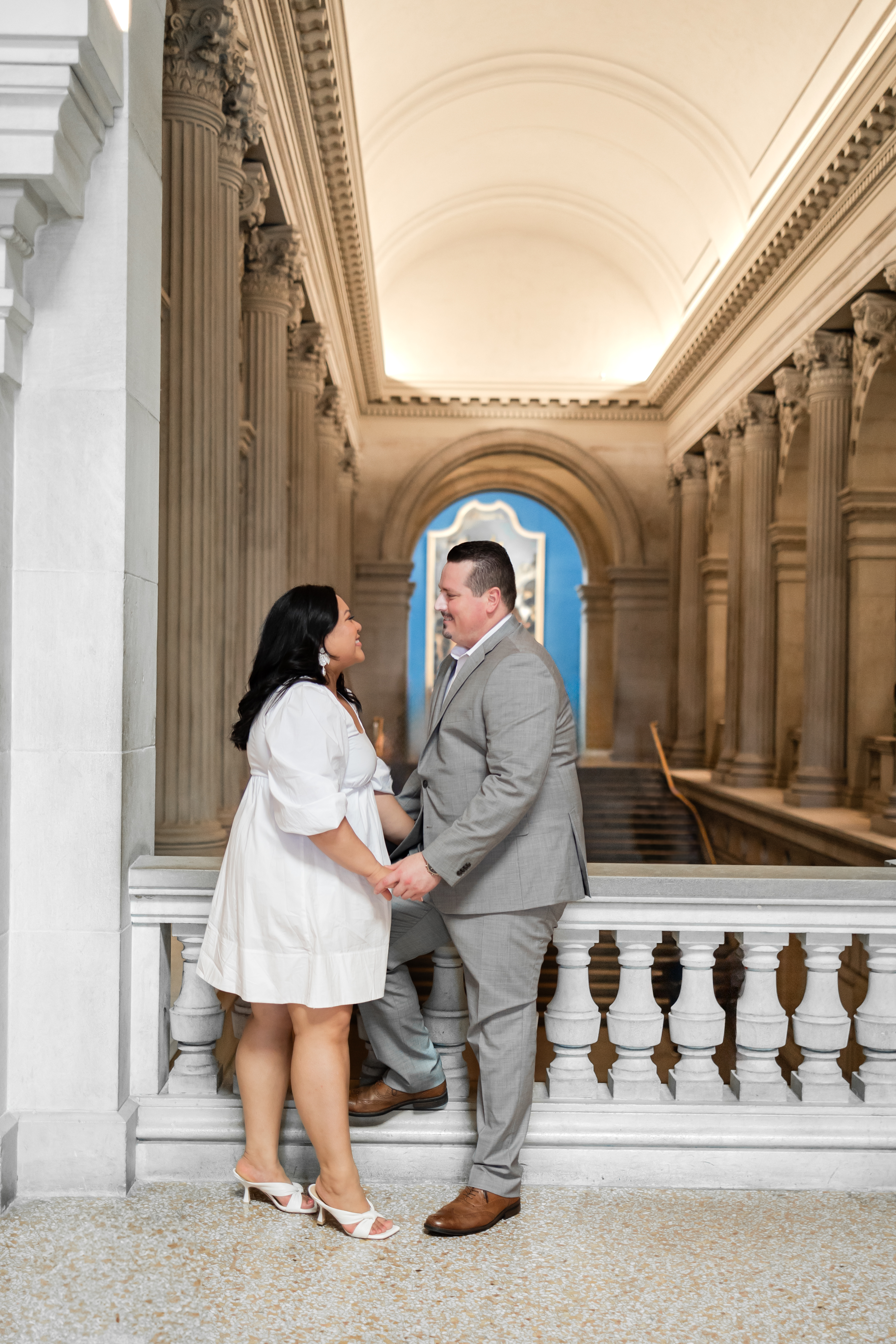
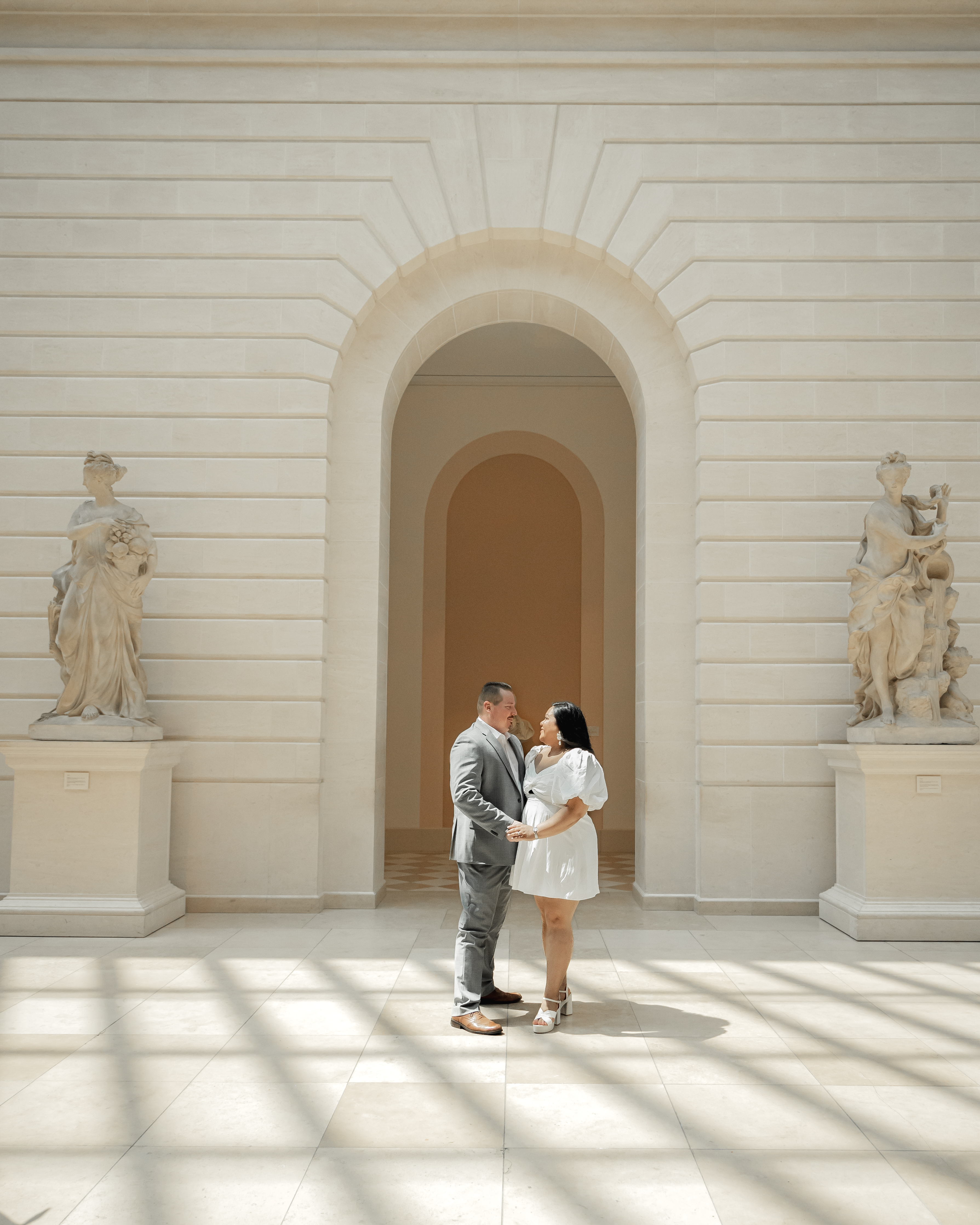
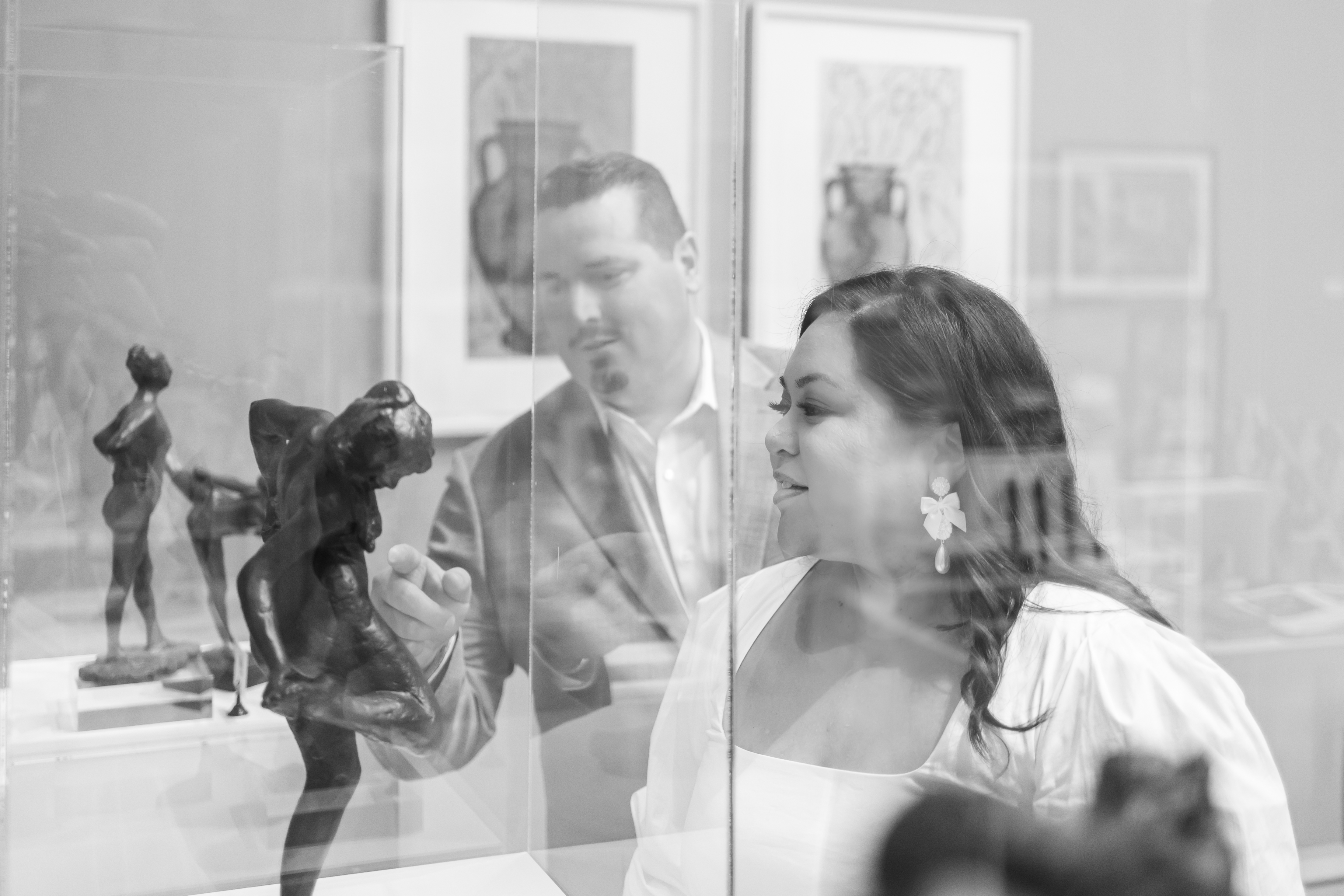
The very first hint of our theme was actually hidden in our engagement photos at The Metropolitan Museum of Art. The Met has always been a special place for us—it was one of our very first dates when we started dating in New York City, and we often looked back on that day as one of our best. It felt only fitting that our engagement shoot would be there, surrounded by masterpieces that mirrored how we saw our love story: timeless, layered, and beautifully complex.
Wedding Stationery that was a nod to Art
The second nod to our theme came through our wedding invitations. We used vintage stamps and wrapped our suite in a moody floral vellum wrap, reminiscent of the romantic still-life paintings you’d find at The Met. Even our welcome itinerary cards carried floral artwork drawn from The Met collection, setting the stage for the artful details to come.

Bringing Art Into the Wedding Day
Initially, I dreamed of having a dramatic “Love is a Work of Art” seating chart installation, but the reality of living in a one-bedroom apartment in NYC quickly set in. Below is what I fell in love with I found on Pinterest.
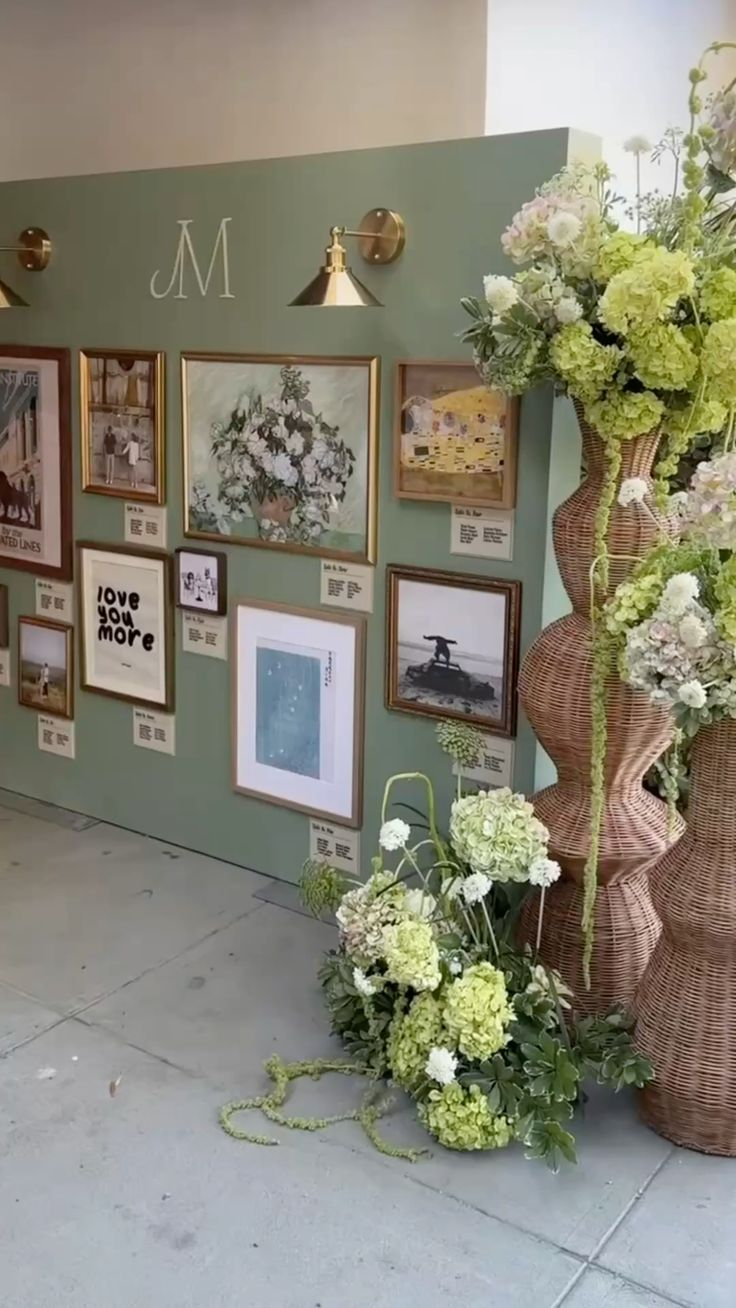

Instead, I pivoted and came up with another way to incorporate art throughout our wedding—by curating famous works of art that depicted love throughout history. We printed the art, and put them in gold frames.
I printed the artwork, added custom text in Canva, and placed them in ornate gold baroque frames I found on Amazon. These framed pieces doubled as both wedding décor and signage for different stations:
- Prop Bets Station: Featured A classical courtship, Auguste Toulmouche ,1853

Executed in the style of Academicism, which refers to the traditional standards and methods endorsed by the European academies of art. In “A Classical Courtship,” we observe an intimate moment between a man and a woman, who are depicted in an interior setting that evokes the ambiance of classical antiquity. Their classical clothing and the environment, including the architectural details and artifacts such as the amphora on the floor and partially consumed food on the table, suggest a scene inspired by ancient Roman or Greek customs. On View: Private Collection, location unknown
Escort Card Table: Featured 3 works of art. The center sign read “Love is a Work of Art” with our wedding logo, framed by The Marriage of Queen Victoria by Sir George Hayter. The other works of art framed on the table included: Il Bacio by Francesco Hayez and Pygmalion and Galatea (1890) by Jean-Léon Gérôme.

Sir George Hayter
The Marriage of Queen Victoria, 1842
Oil on canvas
This grand painting depicts the royal wedding of Queen Victoria and Prince Albert in 1840 and showcases the opulence and grandeur of Victorian weddings. The painting’s romantic and dramatic style also reflects the Romanticism movement that was popular during this time and serves as a powerful reminder of the enduring impact of Victorian culture on our lives today. The trend of wearing a white wedding dress, engagement diamond rings, and elaborate floral arrangements, are examples of how the customs of the past continue to shape modern weddings.
On View: Royal Collection, Buckingham Palace, London UK
Francesco Hayez Il bacio, 1859 Oil on canvas
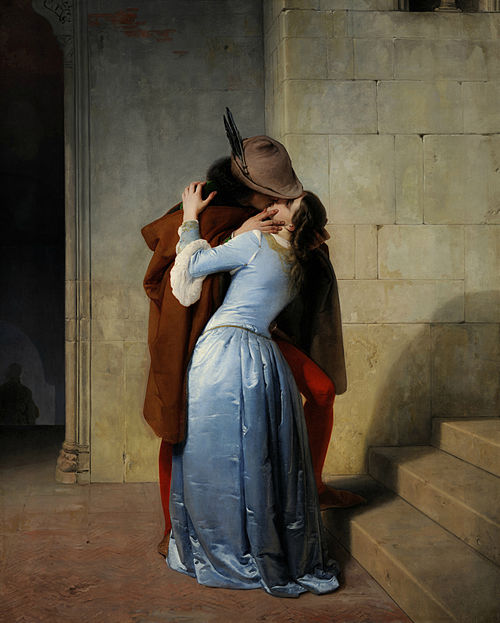
In the 1800s, this passionate kiss between lovers was still seen as explicit and even controversial. Art historians consider this to be Hayez’s best work and interpret the couple as an Italian soldier going to war and kissing his love goodbye. It’s still one of the most intense representations of a kiss in Western art history. It’s a symbol of Italian romanticism and the dual meaning of love–love for one’s country and love for another
On View at Pinacoteca di Brera, Milan Italy
Jean-Léon Gérôme Pygmalion and Galatea, 1890 Oil on canvas
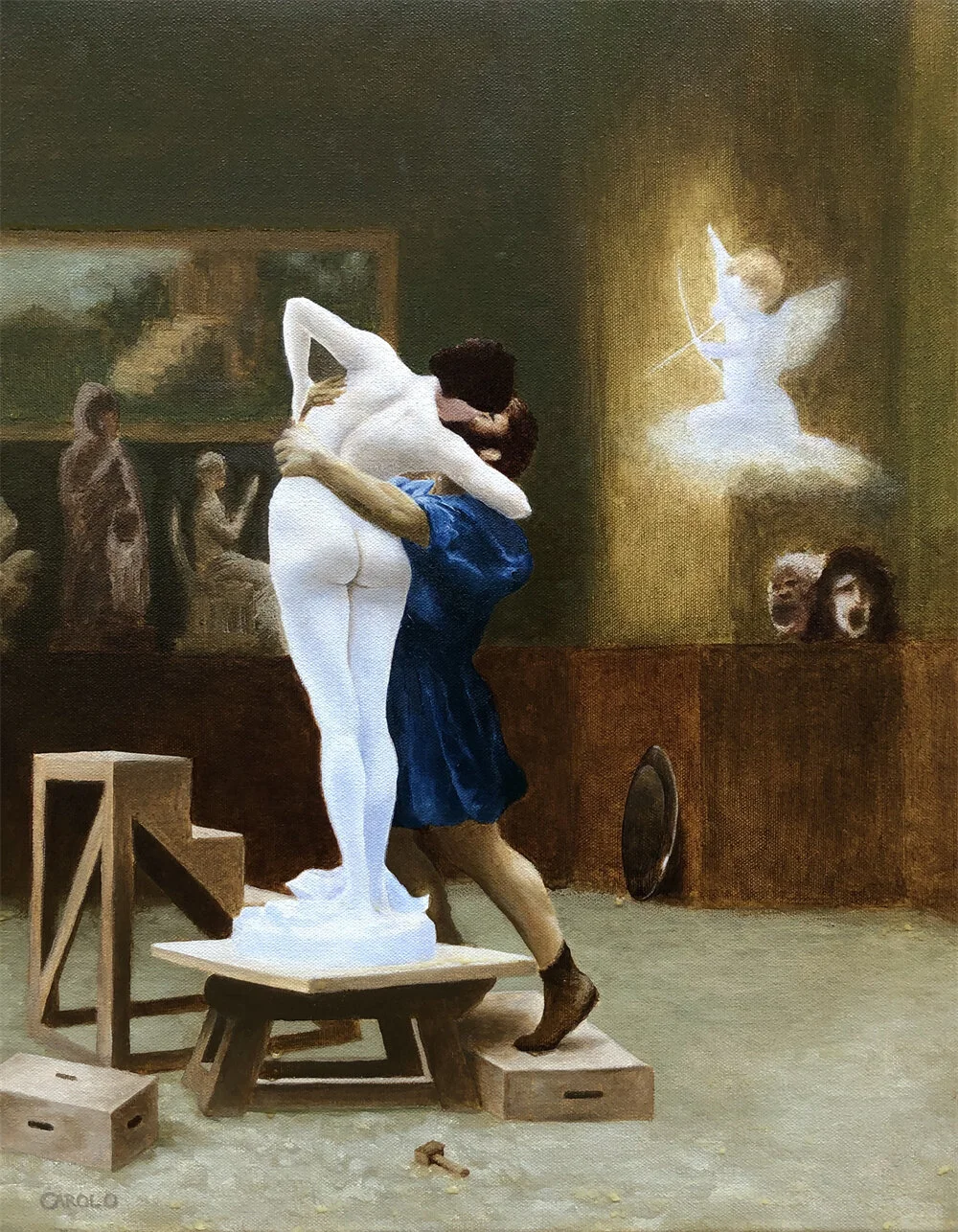
Art comes to life in the classic Greek myth of Pygmalion and Galatea. A sculptor falls madly in love with his statue and, touched by his story, the goddess Aphrodite brings her alive. But the most famous depiction is the one where Galatea is seen from behind, still emerging from her stone state and leaning into Pygmalion’s kiss.
On view at The Met Fifth Avenue in Gallery 800
- Custom Poems Station: Displayed The Storm (1887) by Pierre-Auguste Cot, a breathtaking portrayal of youthful love.
Pierre-Auguste Cot The Storm, 1887Oil on canvas.

Critics speculated about the source of the subject. Some proposed the French novel Paul and Virginie by Bernardin de Saint-Pierre, in which the teenage protagonists run for shelter in a rainstorm, using the heroine’s overskirt as an impromptu umbrella; others suggested the romance Daphnis and Chloe by the ancient Greek writer Longus.
On view at The Met Fifth Avenue in Gallery 827
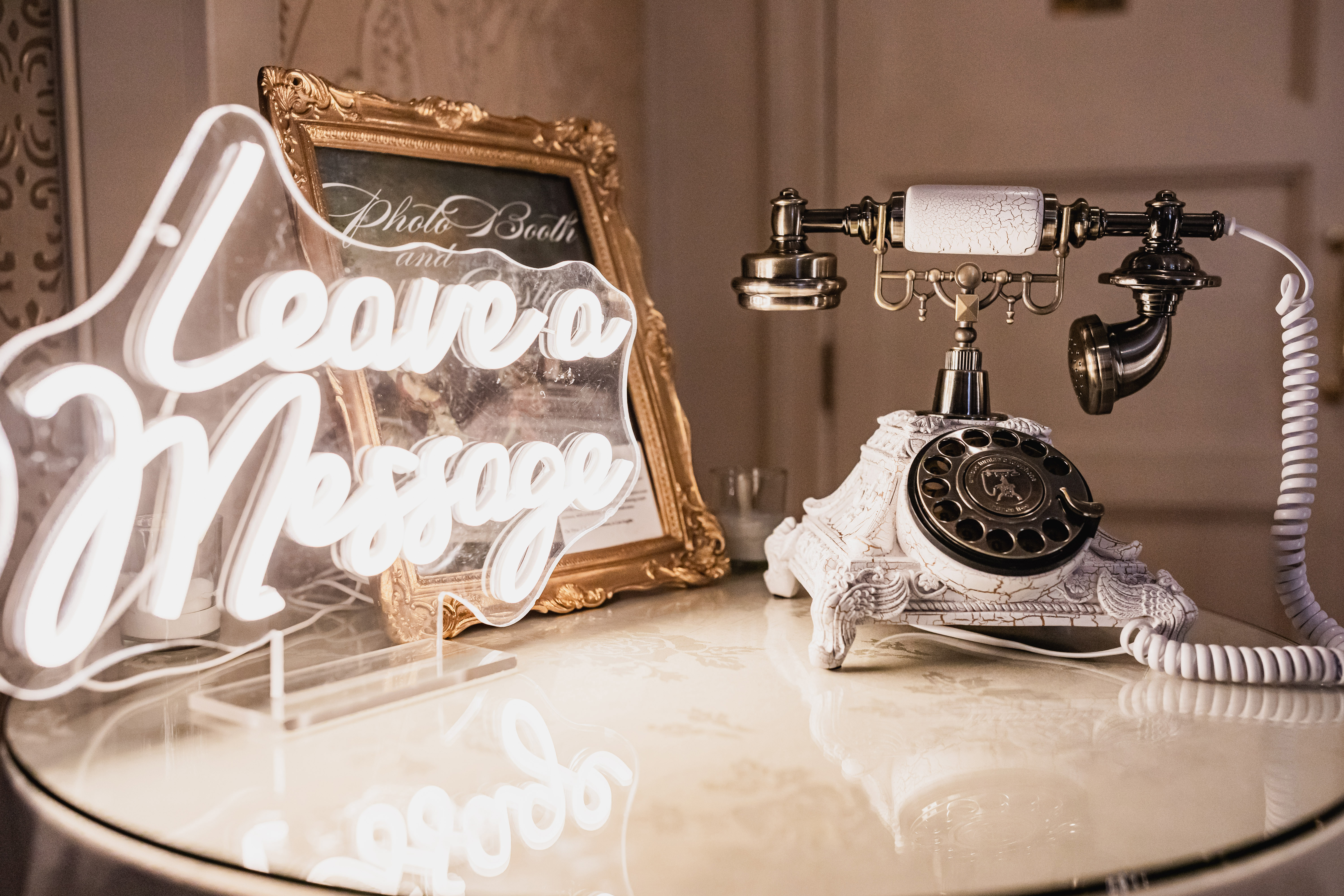
- Photobooth & Audio Guestbook: Featured La Surprise (1718) by Antoine Watteau, with signage layered on top.
Antoine Watteau La Surprise, 1718 Oil on canvas

Scholars and connoisseurs have long deemed Antoine Watteau’s magnificent picture La Surprise a masterpiece of eighteenth-century French painting. The painting depicts a male guitarist, dressed as Mezzetino, watching an embracing couple embrace, with a small dog watching the whole scene.
On View: J. Paul Getty Museum, in Los Angeles
These little details tied everything together, making the art not just décor, but part of the storytelling.
Poetry as Living Art
Art isn’t only found in paintings—it’s also in words. In my 20s, when I was single in NYC, I often turned to poetry and quotes about love to inspire hope during heartbreak. It felt like such a full-circle moment to have a live poet at our wedding, creating custom poems for our guests. We actually first met this poet in Central Park, another special place in our story, so including him felt both serendipitous and deeply personal. Basically, our guests would give the poet a prompt or subject they wanted in their poem, and the poet would create a custom poem for them on the spot. We booked our poet through Ars Poetica. They have poets around the country.

Music as Art
Of course, we couldn’t forget music, another art form close to our hearts. We had a live band perform during our ceremony, cocktail hour and reception, and they were nothing short of phenomenal. The energy, the rhythm, the way they brought people together—it reminded us that music, too, is a universal language of love. The band we used was Around Town Entertainment and they literally made our wedding. I highly recommend them for your wedding.

The Theme in Action
In the end, our “Love is a Work of Art” theme wasn’t just about decorating with pretty things—it was about weaving together all the forms of art we love: visual art, poetry, music, and storytelling. From our engagement shoot at The Met to the framed masterpieces, from live poems to live music, every element came together to reflect our journey and the love we’ve built.
Our wedding wasn’t just a celebration—it was our own personal gallery, filled with the art of our love story.
 karenabiogmiller.com